Leaf
Liliane Roubaudi, Tela Botanica · CC BY-SA 2.0
Primrose
Primula vulgaris Huds.
Also known as: Common primrose
Family: Primulaceae
10 to 20 cm tall
Woodland understorey, grassy banks, one of the first flowers of spring
Flowering: February – April
Full sun
Part shade
Shade
Very hardy, to -25°C
❓ How do you recognise this plant?
One of the very first flowers of spring, often from February. The cowslip bears several deep yellow flowers grouped in an umbel at the top of a single flowering stem, whereas the primrose bears its pale yellow flowers singly, each on its own flower stalk rising from the leaf rosette.
🍃 Leaves
In a rosette, ovate, crinkled, narrowing into a winged petiole
🌸 Flowers
Pale yellow, solitary on long hairy flower stalks
🍎 Fruits
Small capsule with numerous seeds
🪵 Bark
Herbaceous plant in a rosette, with no visible stem
🗺️ Distribution
Western Europe; very common in open woods, hedgerows and banks in spring in France.
🐝 Value for pollinators
Early pale yellow flowers rich in nectar, important for the first bees and butterflies of spring.
✂️ Horticultural uses
Shaded beds, woodland gardens, borders; one of the first blooms of the garden at the end of winter.
⚠️ Possible toxicity
No notable known toxicity; may cause contact dermatitis in sensitive people.
⚠️ Look-alike species
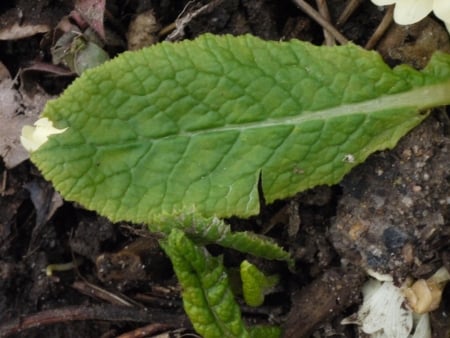
Primrose
Primula vulgaris
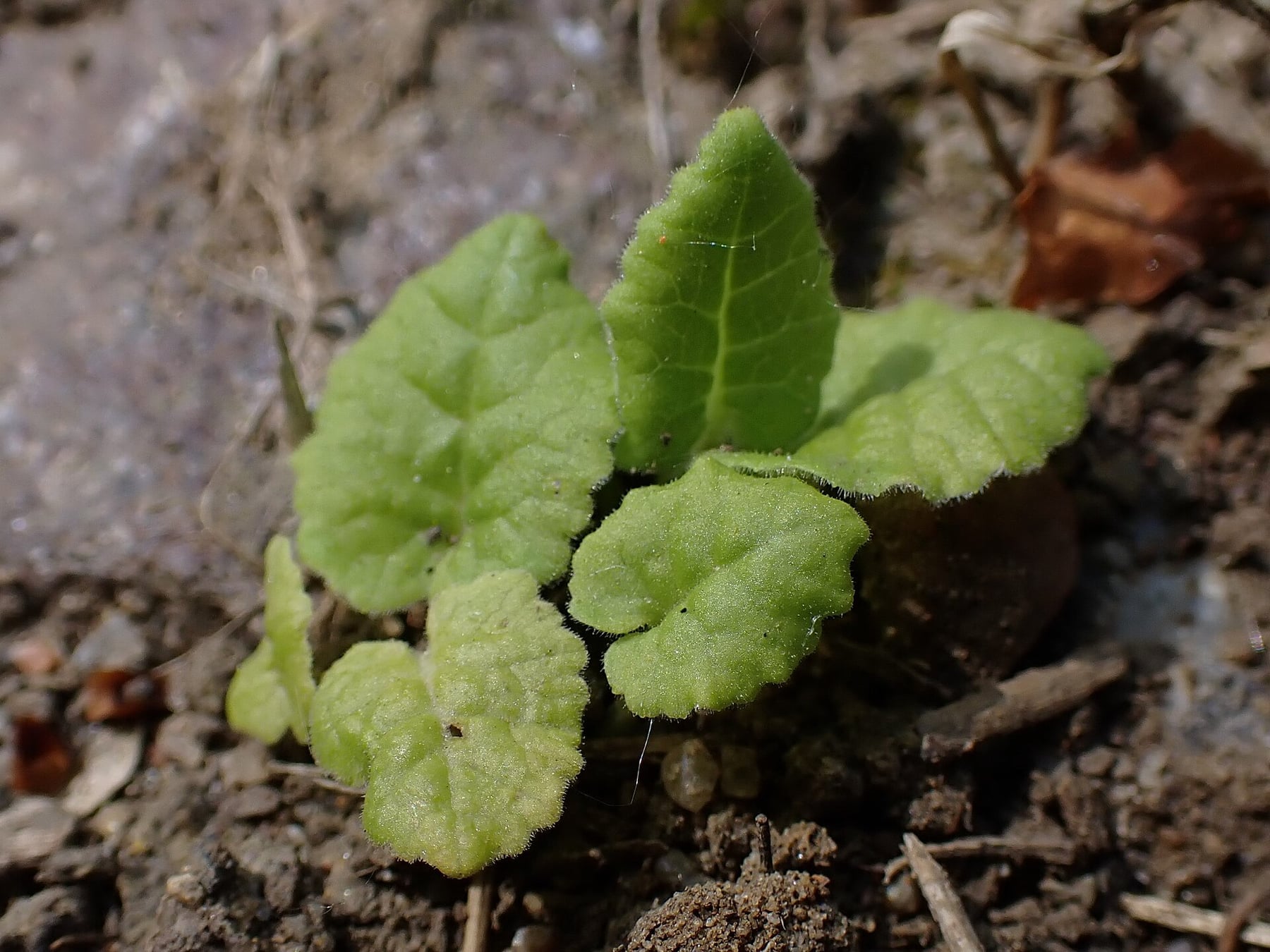
Cowslip
Primula veris
The cowslip bears several deep yellow flowers grouped in an umbel at the top of a single flowering stem, whereas the primrose bears its pale yellow flowers singly, each on its own flower stalk rising from the leaf rosette.
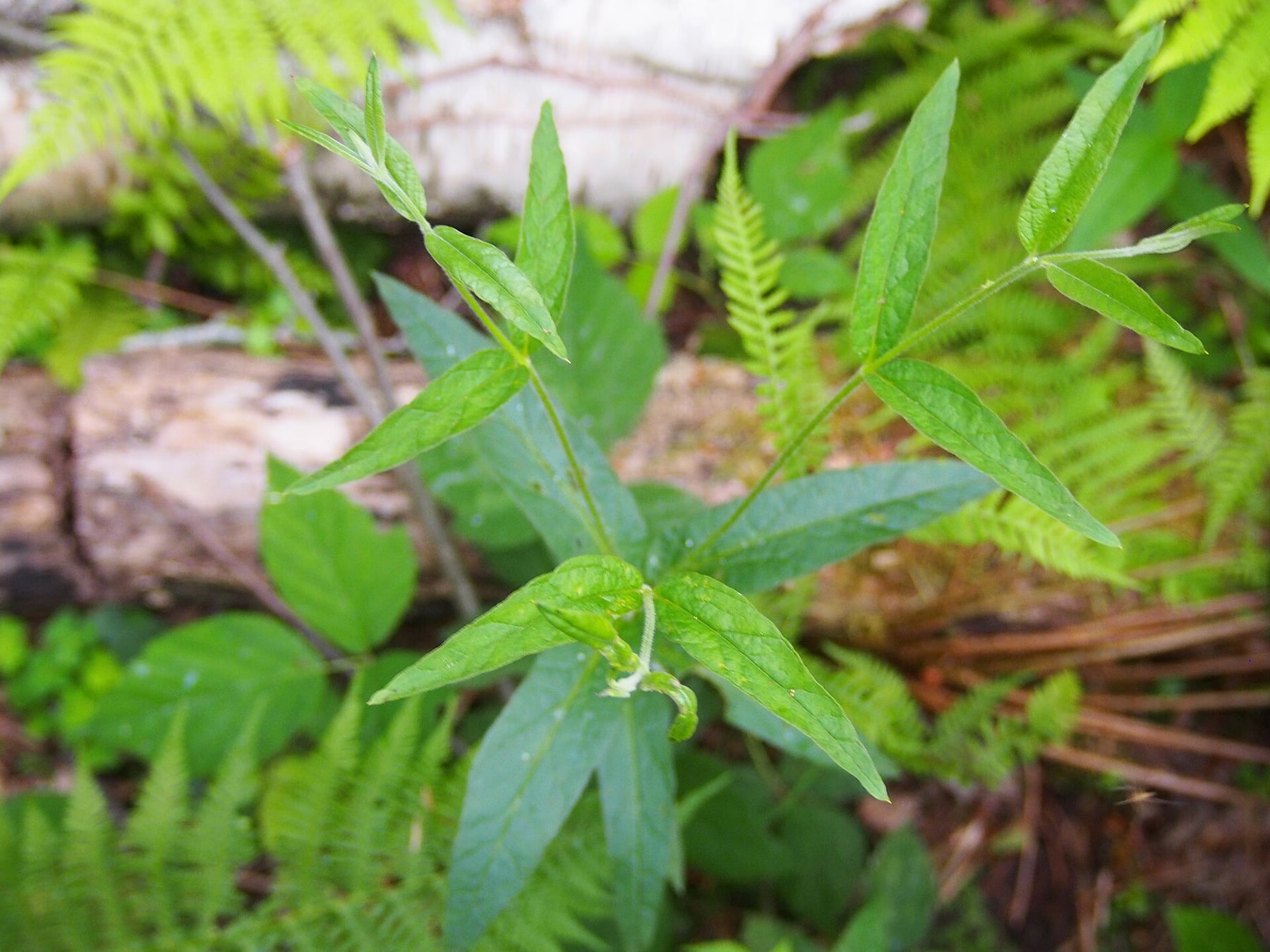
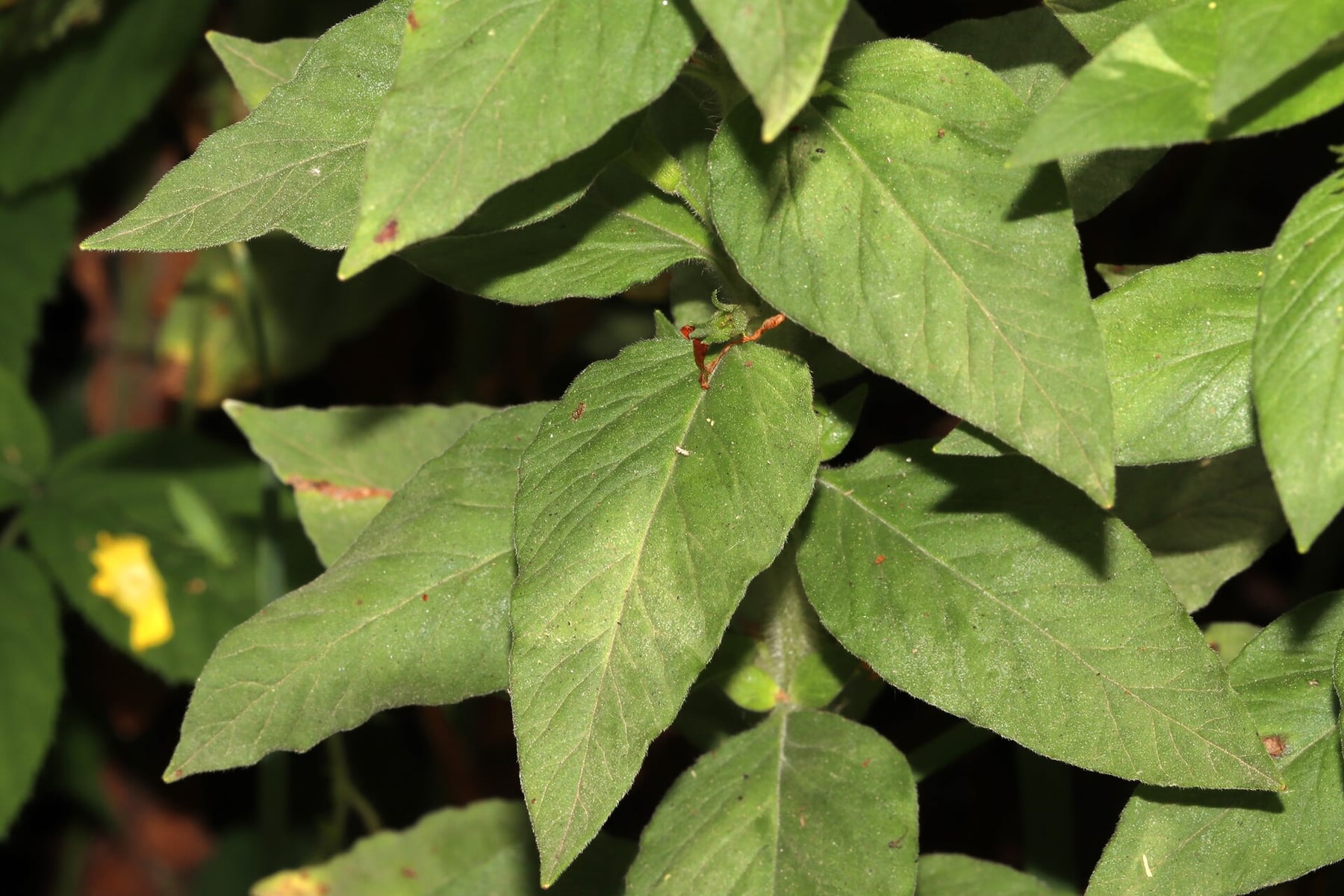
🌿 Other Primulaceae to discover

ℹ️ Educational profile — do not use it to judge whether a plant is edible or safe.
🌱 This database is constantly evolving — species and information are added and corrected regularly. Spotted a mistake? Report it below.
© Floraneo — profile content is protected; reproduction without permission is prohibited. Photos remain under their own licence (see the credit shown on each photo).