Leaf
Lysimachia punctata L., Wikimedia · CC BY 2.0
Dotted loosestrife
Lysimachia punctata L.
Also known as: Spotted loosestrife, Large yellow loosestrife
Family: Primulaceae
70 cm to 1 m tall
Grown in beds and damp gardens, sometimes naturalised on woodland edges and in moist ground in France
Flowering: June – August
Full sun
Part shade
Hardy to -25°C
❓ How do you recognise this plant?
Unlike yellow loosestrife, whose flowers form a single panicle at the top of the stem, dotted loosestrife bears its flowers in staggered clusters in the leaf axils along the whole length of the stem. Yellow loosestrife bears its yellow flowers in a single dense panicle at the top of the stem, with sepals that have a reddish margin; dotted loosestrife bears its flowers in staggered clusters in the leaf axils along the whole stem, with entirely green sepals. Both have a similar upright habit and flower at the same time.
🍃 Leaves
Ovate-lanceolate, opposite or in whorls of 3-4, hairy, bright green
🌸 Flowers
Large bright yellow flowers grouped in several in the axils of the upper leaves, forming tiered whorls along the whole length of the stem
🍎 Fruits
Small globose capsules, barely visible
🪵 Bark
Upright clump with creeping rhizome, vigorous and quickly invasive
🗺️ Distribution
Native to south-eastern Europe and Asia Minor; widely grown in France and sometimes naturalised in moist ground.
🐝 Value for pollinators
Yellow flowers rich in floral oils, visited by specialist bees (Macropis) as well as generalists, like the other loosestrifes.
✂️ Horticultural uses
Moist beds, pond margins; fast and vigorous growth, can become invasive through its creeping rhizomes and needs to be contained.
⚠️ Possible toxicity
No known toxicity.
⚠️ Look-alike species
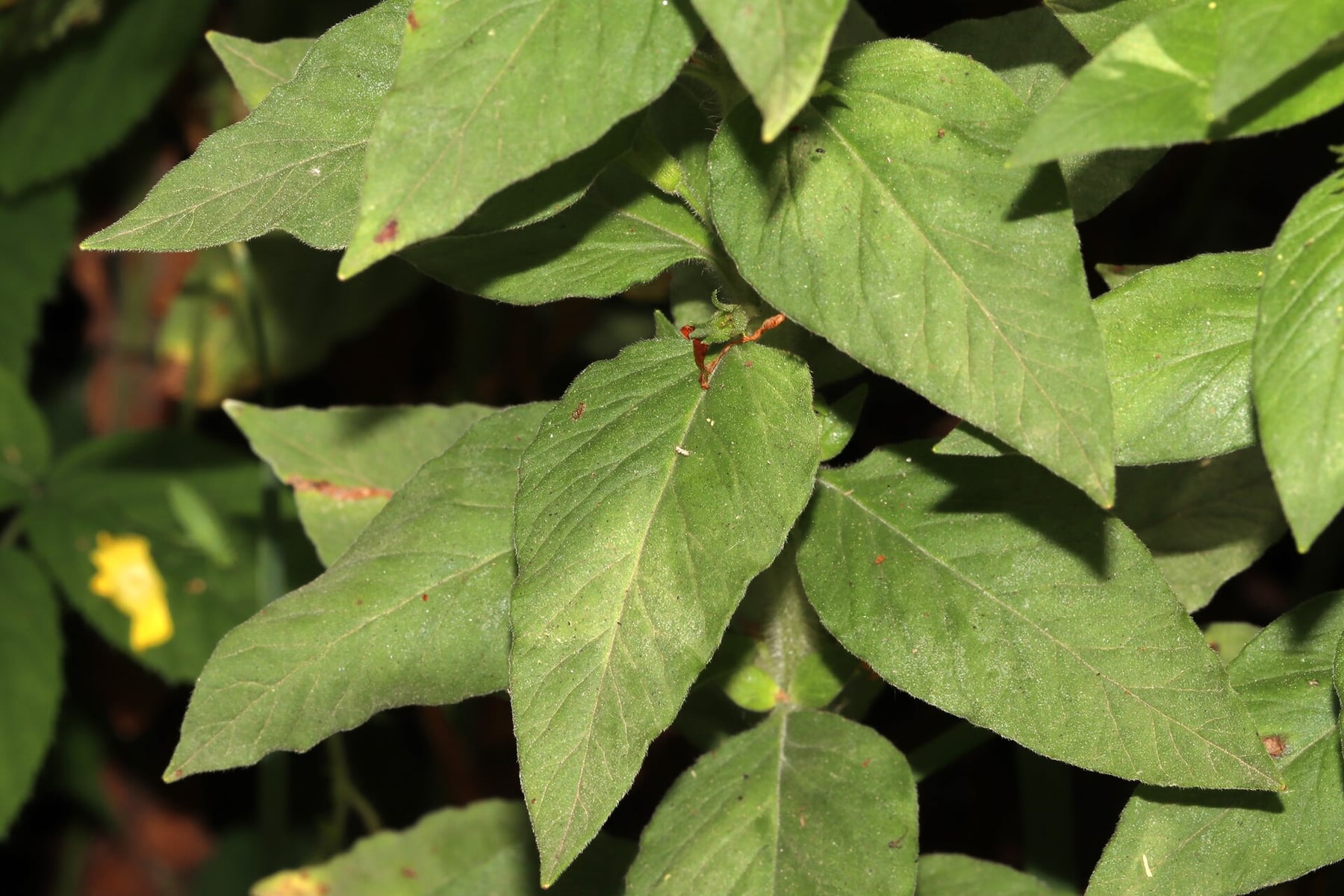
Dotted loosestrife
Lysimachia punctata
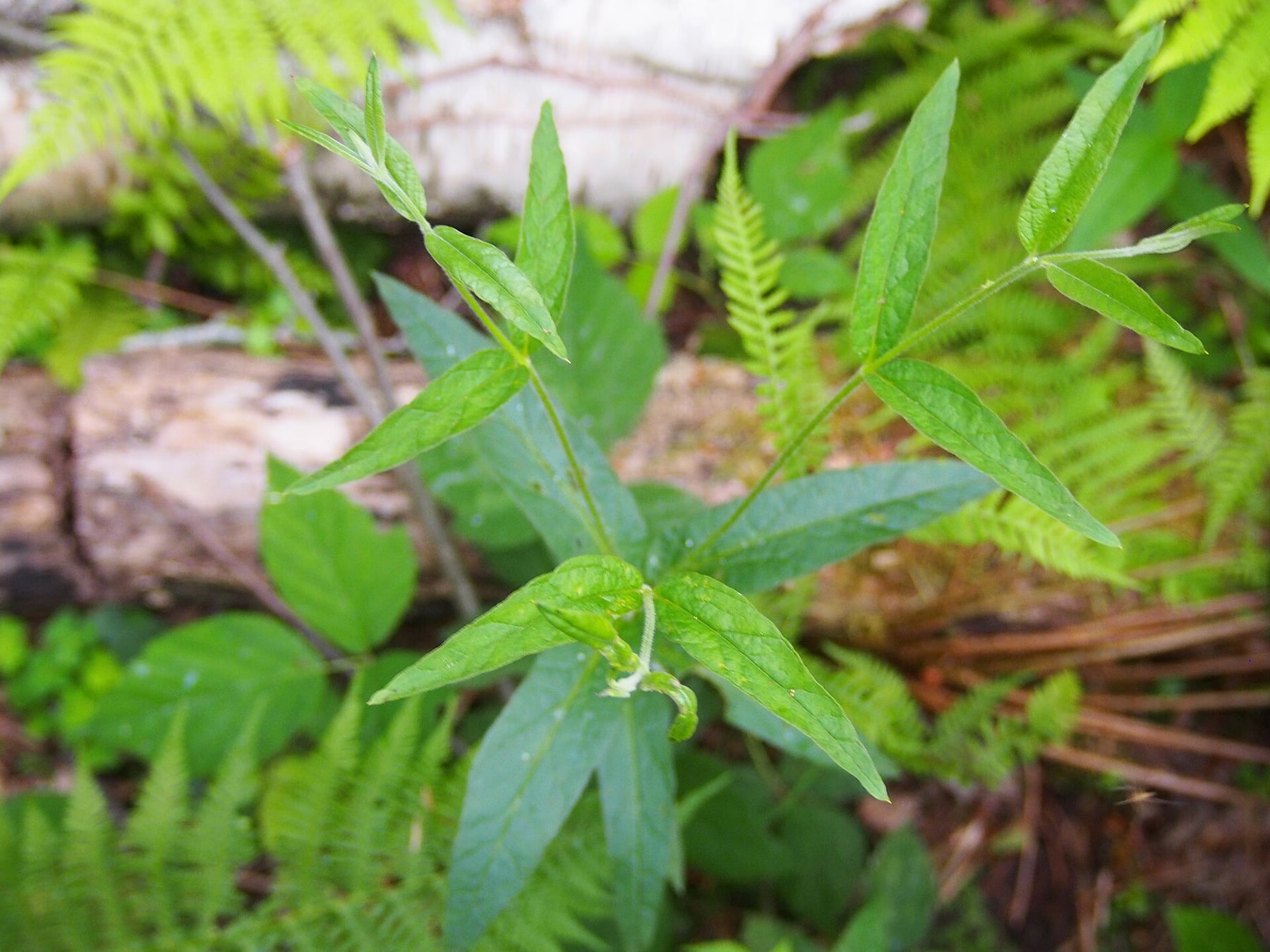
Yellow loosestrife
Lysimachia vulgaris
Yellow loosestrife bears its yellow flowers in a single dense panicle at the top of the stem, with sepals that have a reddish margin; dotted loosestrife bears its flowers in staggered clusters in the leaf axils along the whole stem, with entirely green sepals. Both have a similar upright habit and flower at the same time.
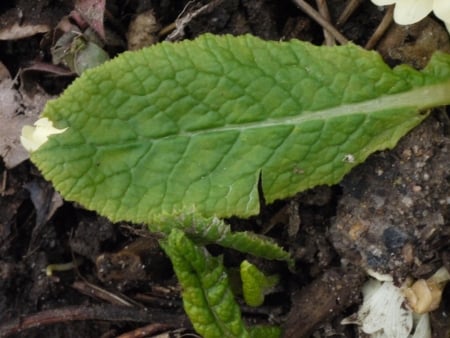
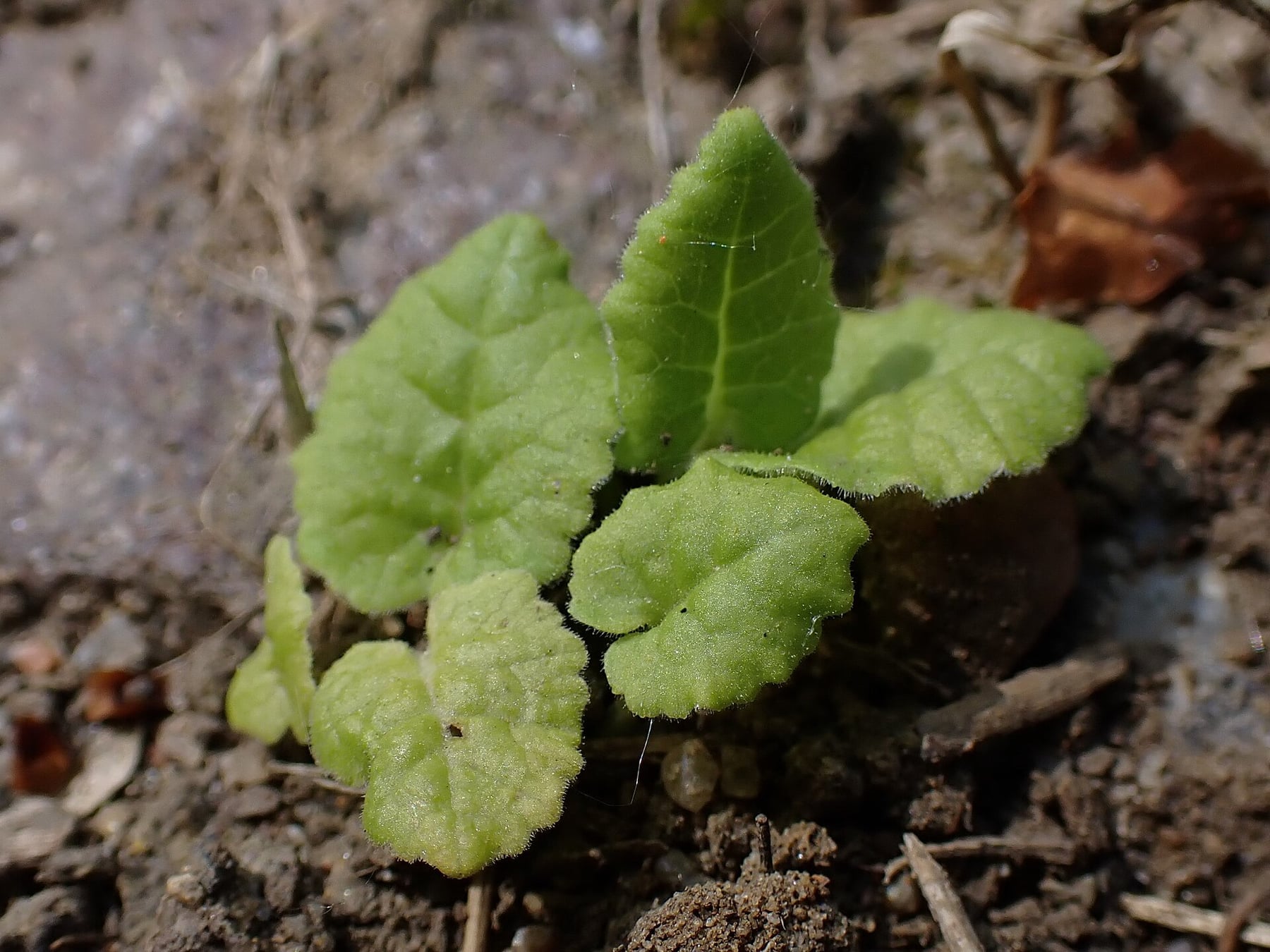
🌿 Other Primulaceae to discover

ℹ️ Educational profile — do not use it to judge whether a plant is edible or safe.
🌱 This database is constantly evolving — species and information are added and corrected regularly. Spotted a mistake? Report it below.
© Floraneo — profile content is protected; reproduction without permission is prohibited. Photos remain under their own licence (see the credit shown on each photo).