Leaf
Daniel Barthelemy, Tela Botanica · CC BY-SA 2.0
Japanese spindle
Euonymus japonicus Thunb.
Also known as: Evergreen spindle
Family: Celastraceae
- 1 to 3 m tall
- Evergreen hedges, containers, seaside, all soils
- Full sun, Part shade
- Hardy to -15°C
In flower from June to July
2 months❓ How do you recognise this plant?
Very tolerant of sea spray, it is widely used for hedges on the coast. The spindle is a deciduous shrub with very conspicuous pink fruits with orange seeds in autumn, whereas the Japanese spindle is evergreen, often variegated, grown in clipped hedges, with inconspicuous fruiting.
Learn to recognise it
Rock roses, honeysuckles and rockery shrubs. This plant is in the lesson “Rock roses, honeysuckles and rockery shrubs”, with 10 others.

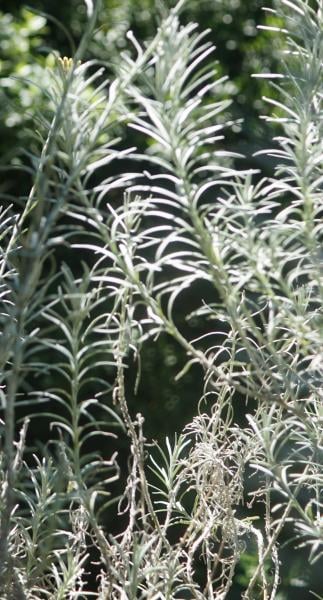
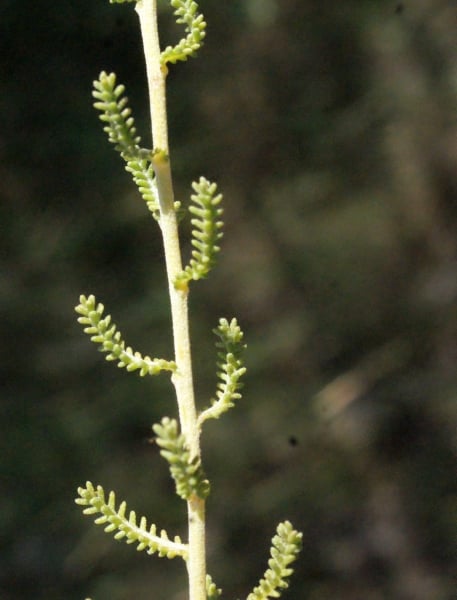
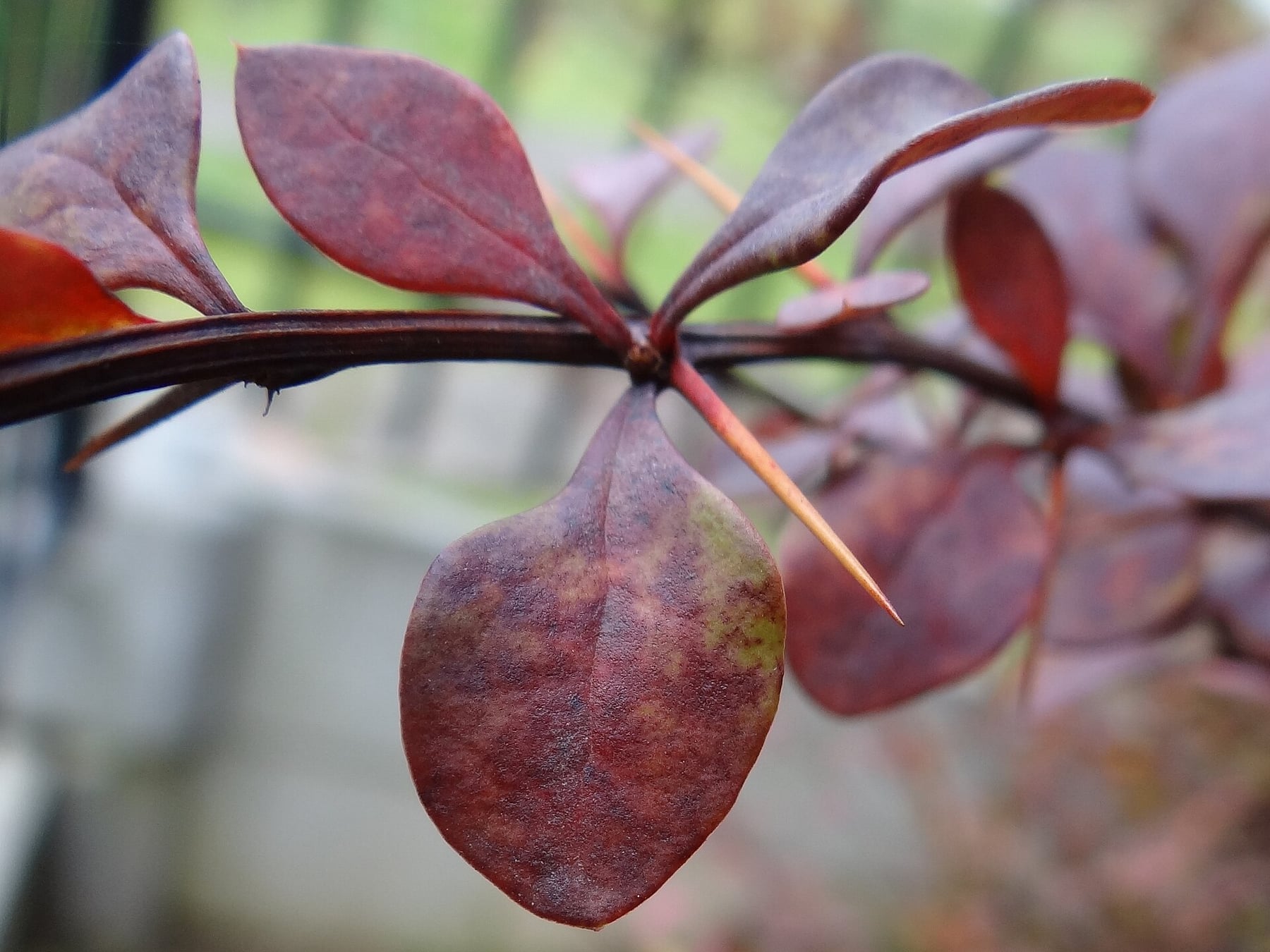
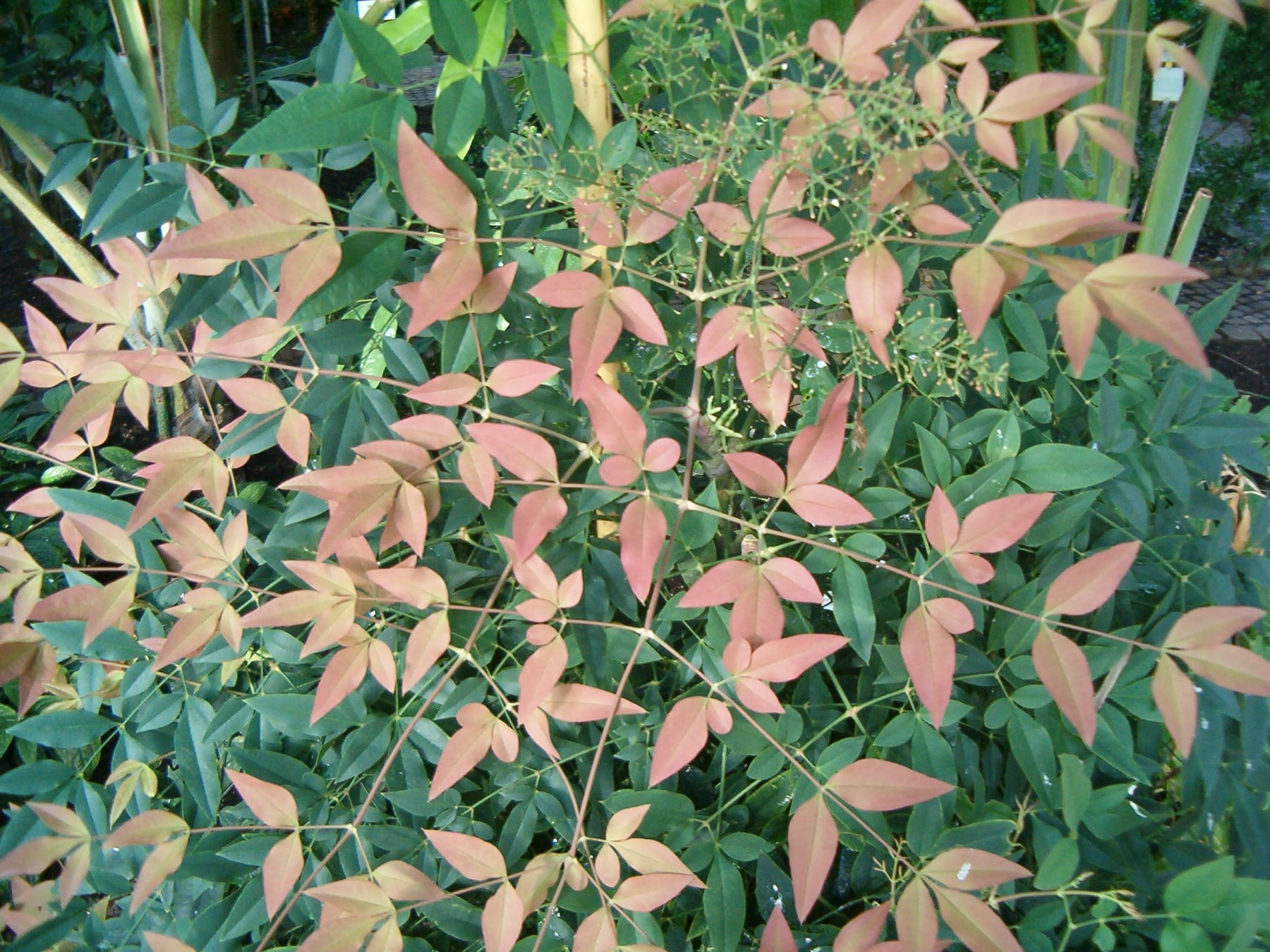
🍃 Leaves
Evergreen, leathery, ovate, glossy green (sometimes variegated depending on the variety)
🌸 Flowers
Tiny greenish flowers, barely visible
🍎 Fruits
Small pink capsules opening to reveal orange seeds
🪵 Bark
Green stems turning grey-brown, much branched
Distribution, pollinators, uses
🗺️ Distribution
Japan, Korea; widely grown in France as an evergreen hedge, not wild.
🐝 Value for pollinators
Small, inconspicuous flowers, not spectacular but visited by a few foraging insects.
✂️ Horticultural uses
Much used as a clipped evergreen hedge and for topiary, tolerant of urban pollution and sea spray.
⚠️ Possible toxicity
Fruits and seeds toxic if eaten (digestive and cardiac problems at high doses), as in other spindles.
🌱 Known cultivars
Aureo-marginatus
Dark green foliage broadly edged with golden yellow, very bright even in mid-winter — one of the best-selling variegated spindles in nurseries for hedges and ornamental borders.
Microphyllus
Dwarf form with very small leaves (about 2 cm), used as a substitute for box for low edgings and topiary — less palatable to box tree moth than box itself, without being completely immune.
⚠️ Look-alike species
Japanese spindle
Euonymus japonicus
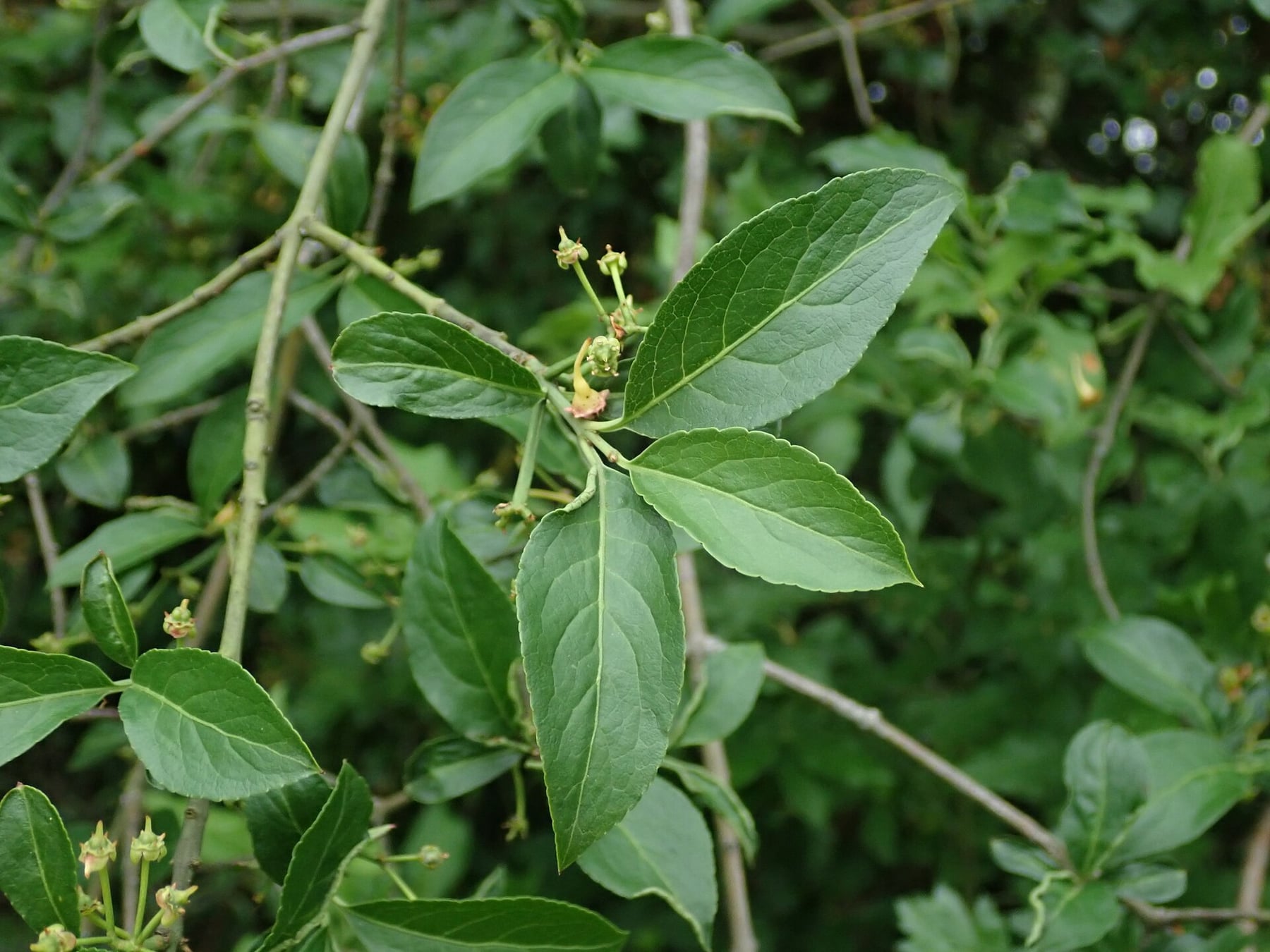
Spindle
Euonymus europaeus
The spindle is a deciduous shrub with very conspicuous pink fruits with orange seeds in autumn, whereas the Japanese spindle is evergreen, often variegated, grown in clipped hedges, with inconspicuous fruiting.
🌿 Other Celastraceae to discover

ℹ️ Educational profile — do not use it to judge whether a plant is edible or safe.
🌱 This database is constantly evolving — species and information are added and corrected regularly. Spotted a mistake? Report it below.
© Floraneo — profile content is protected; reproduction without permission is prohibited. Photos remain under their own licence (see the credit shown on each photo).