Leaf
Alain Bigou, Tela Botanica · CC BY-SA 2.0
Greater knapweed
Centaurea scabiosa L.
Family: Asteraceae
40 cm to 1 m tall
Dry meadows, banks, gardens, calcareous soils
Flowering: June – September
Full sun
Hardy to -25°C
❓ How do you recognise this plant?
Its large, nectar-rich flower heads make it one of the knapweeds most appreciated by butterflies and bees. Greater knapweed has large solitary flower heads with deeply cut outer florets spreading like rays, whereas common knapweed has smaller, rounder flower heads, with an involucre edged with clearly visible brown-black fringes.
🍃 Leaves
Deeply cut into narrow lobes, grey-green
🌸 Flowers
Large pink-purple flower heads with narrow, tapering petals
🍎 Fruits
Achenes topped with a pappus
🪵 Bark
Upright clump, rigid stems
🗺️ Distribution
Europe, western Asia; common in calcareous meadows and dry banks in France.
🐝 Value for pollinators
Large purple flower heads very rich in nectar, very attractive to butterflies, bees and bumblebees.
✂️ Horticultural uses
Wildflower meadows, dry-soil perennial borders, edging; long summer flowering.
⚠️ Possible toxicity
No known toxicity.
⚠️ Look-alike species
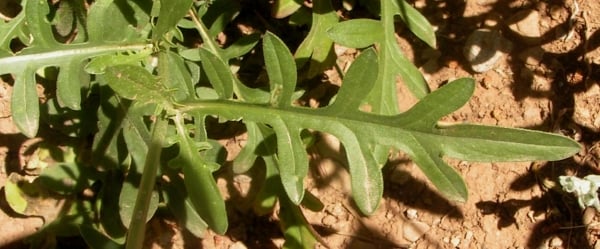
Greater knapweed
Centaurea scabiosa
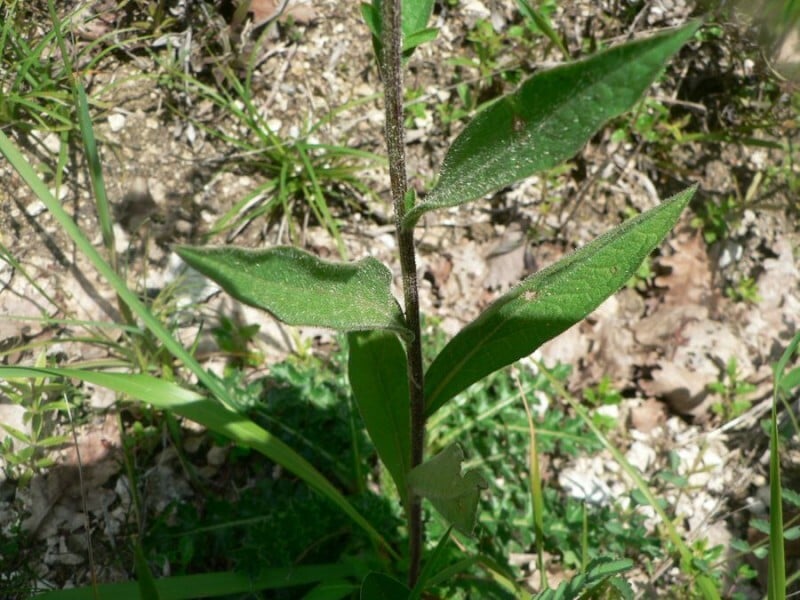
Common knapweed
Centaurea nigra
Greater knapweed has large solitary flower heads with deeply cut outer florets spreading like rays, whereas common knapweed has smaller, rounder flower heads, with an involucre edged with clearly visible brown-black fringes.
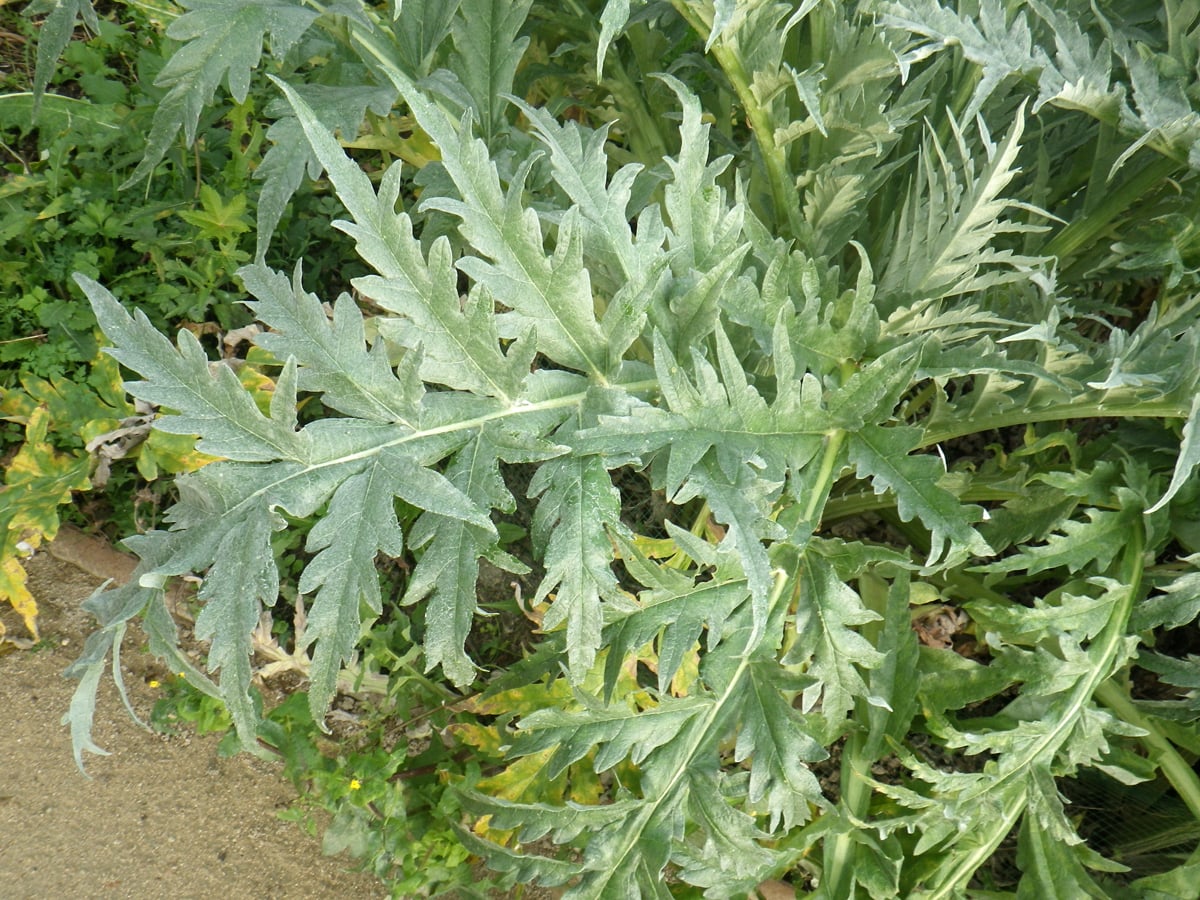
🌿 Other Asteraceae to discover


ℹ️ Educational profile — do not use it to judge whether a plant is edible or safe.
🌱 This database is constantly evolving — species and information are added and corrected regularly. Spotted a mistake? Report it below.
© Floraneo — profile content is protected; reproduction without permission is prohibited. Photos remain under their own licence (see the credit shown on each photo).