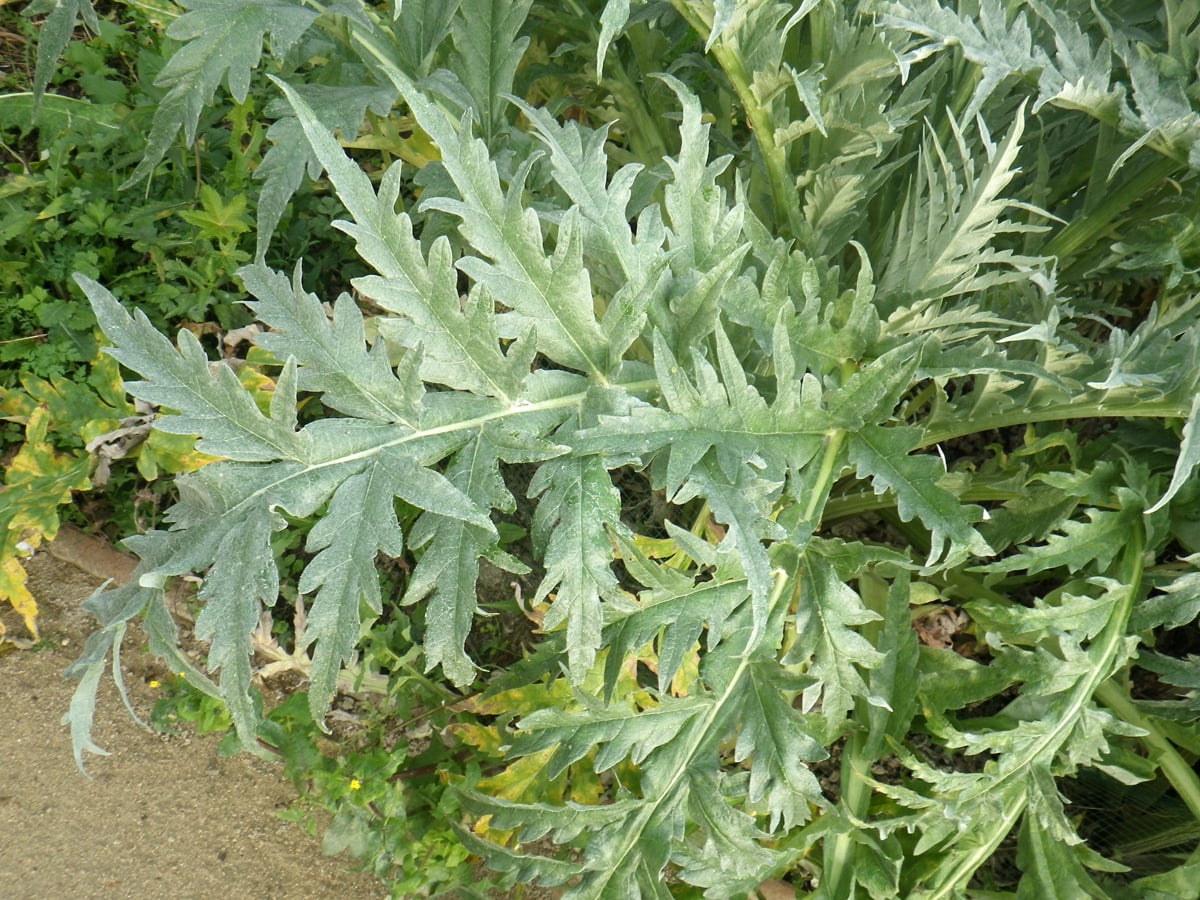
Leaf
Sauvages de Beaumont, Tela Botanica · CC BY-SA 2.0
- 20 to 40 cm tall
- Grown in beds, borders and vegetable gardens as a companion plant, ordinary soils
- Full sun
- Not hardy, annual plant sown every year, sensitive to the slightest frost
In flower from June to October
5 months❓ How do you recognise this plant?
French marigold is traditionally planted among vegetables in the kitchen garden: the strong smell of its foliage and the substances released by its roots help to repel certain nematodes and pest insects.
Learn to recognise it
Field and garden flowers. This plant is in the lesson “Field and garden flowers”, with 11 others.
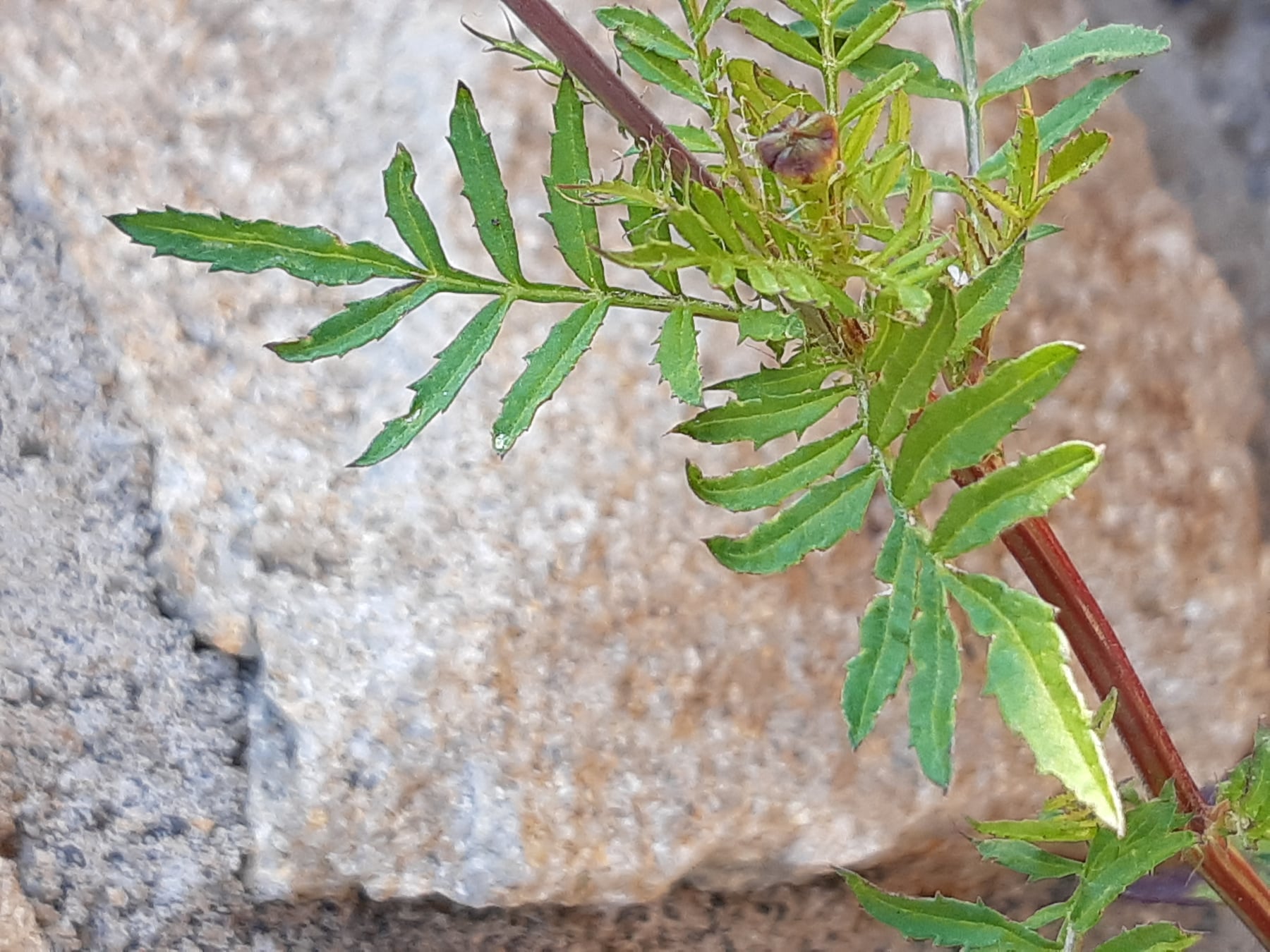
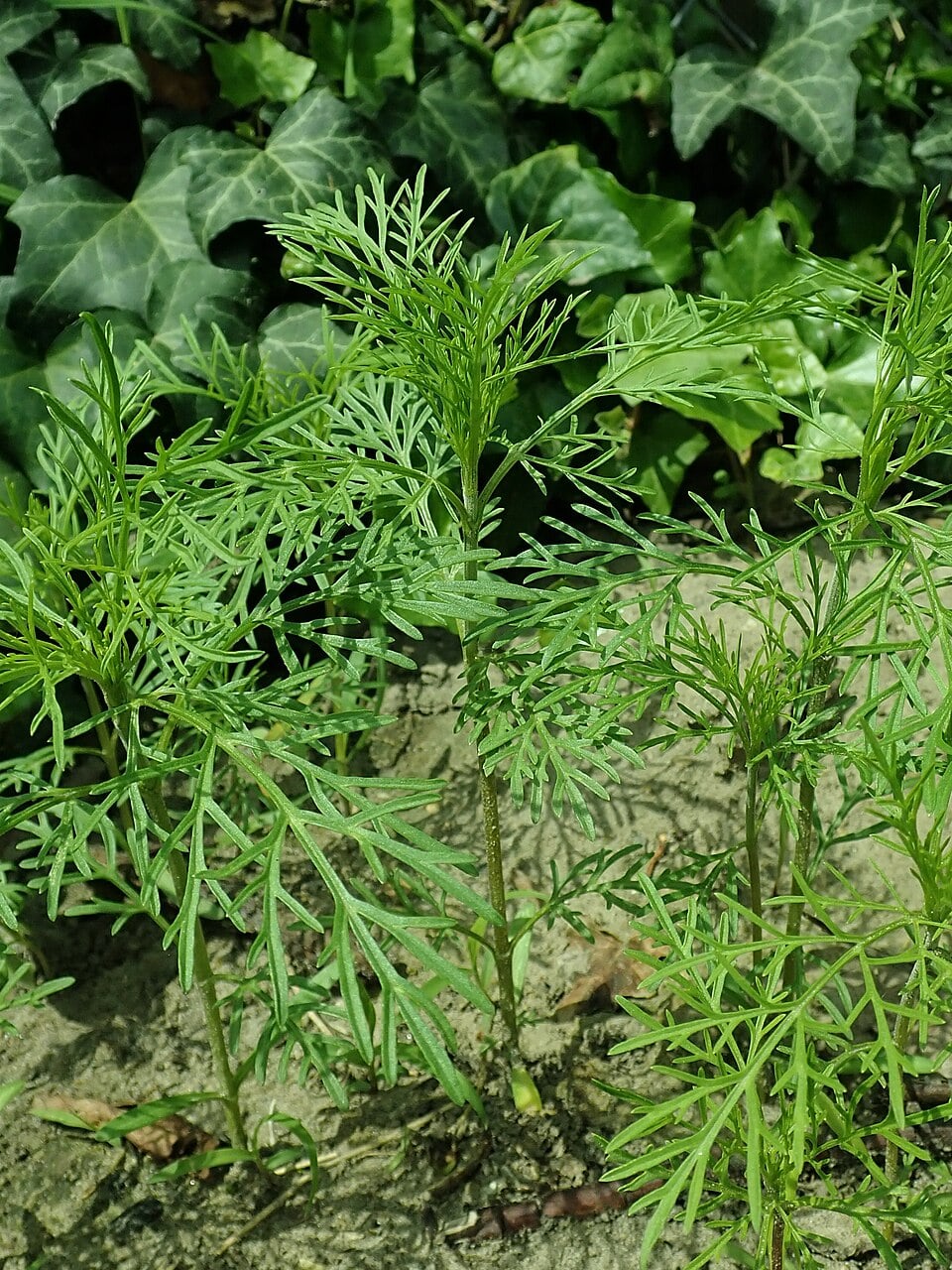
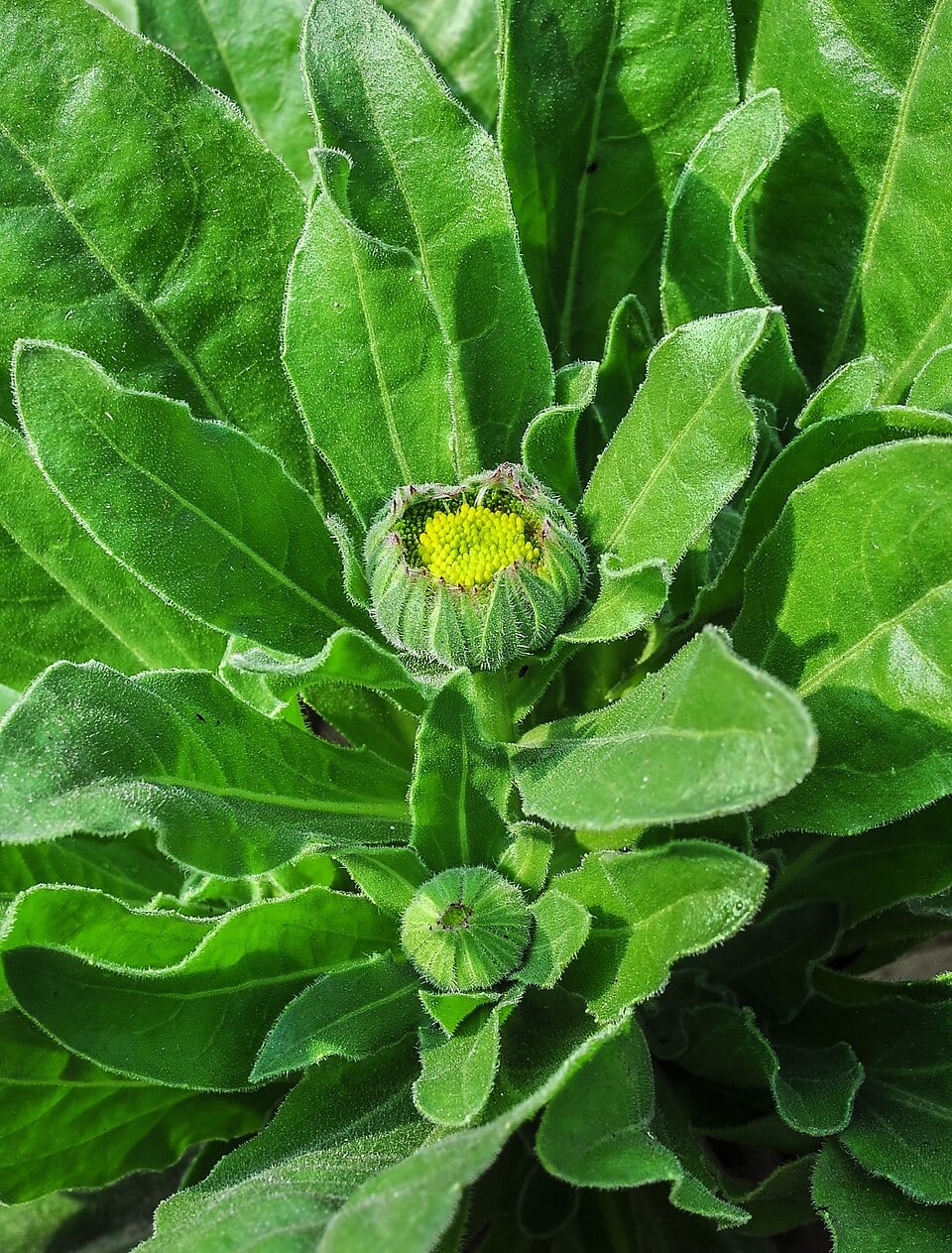
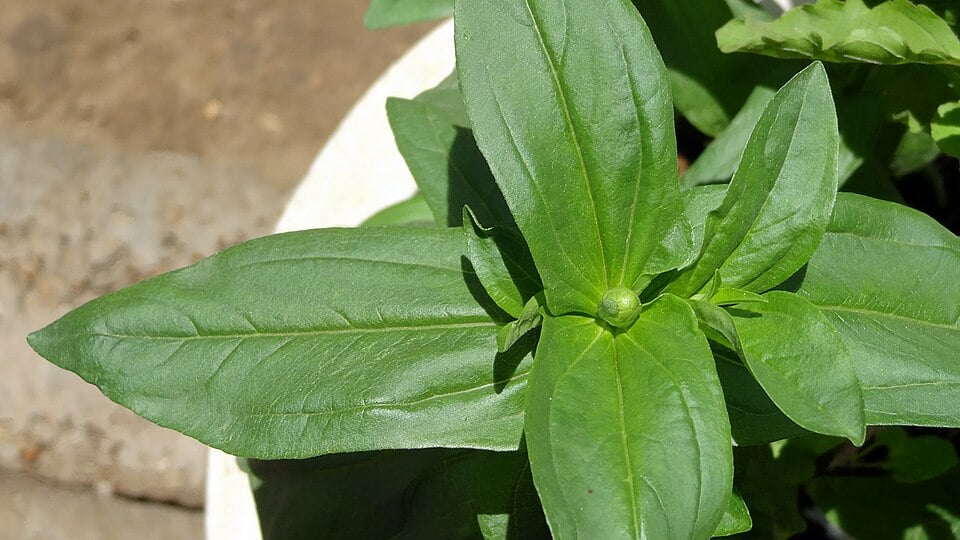
🍃 Leaves
Finely divided, pinnate, giving off a strong, characteristic smell when crushed
🌸 Flowers
Double or single flower head, yellow, orange or red-brown, often bicoloured
🍎 Fruits
Slender achene topped with a pappus
🌿 Stem and habit
Branched, upright herbaceous stem
Distribution, pollinators, uses
🗺️ Distribution
Native to Mexico; very widely grown in France as a bedding annual and in the vegetable garden
🐝 Value for pollinators
Nectar-rich flowers visited by bees; the smell of the foliage repels certain pest insects
✂️ Horticultural uses
Annual for bedding and the vegetable garden, planted as a companion to keep certain pests away from vegetables thanks to its smell
⚠️ Possible toxicity
No known toxicity to humans; the sap may slightly irritate sensitive skin
🌿 Other Asteraceae to discover
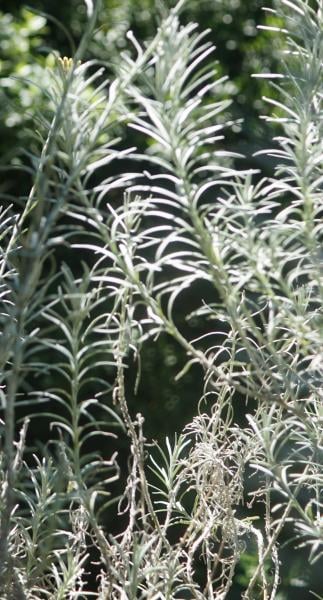
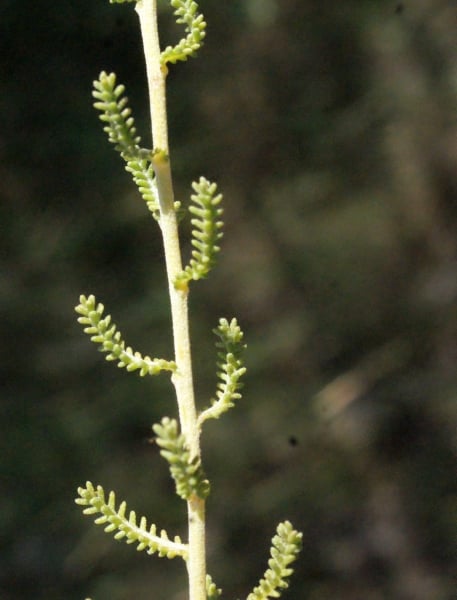
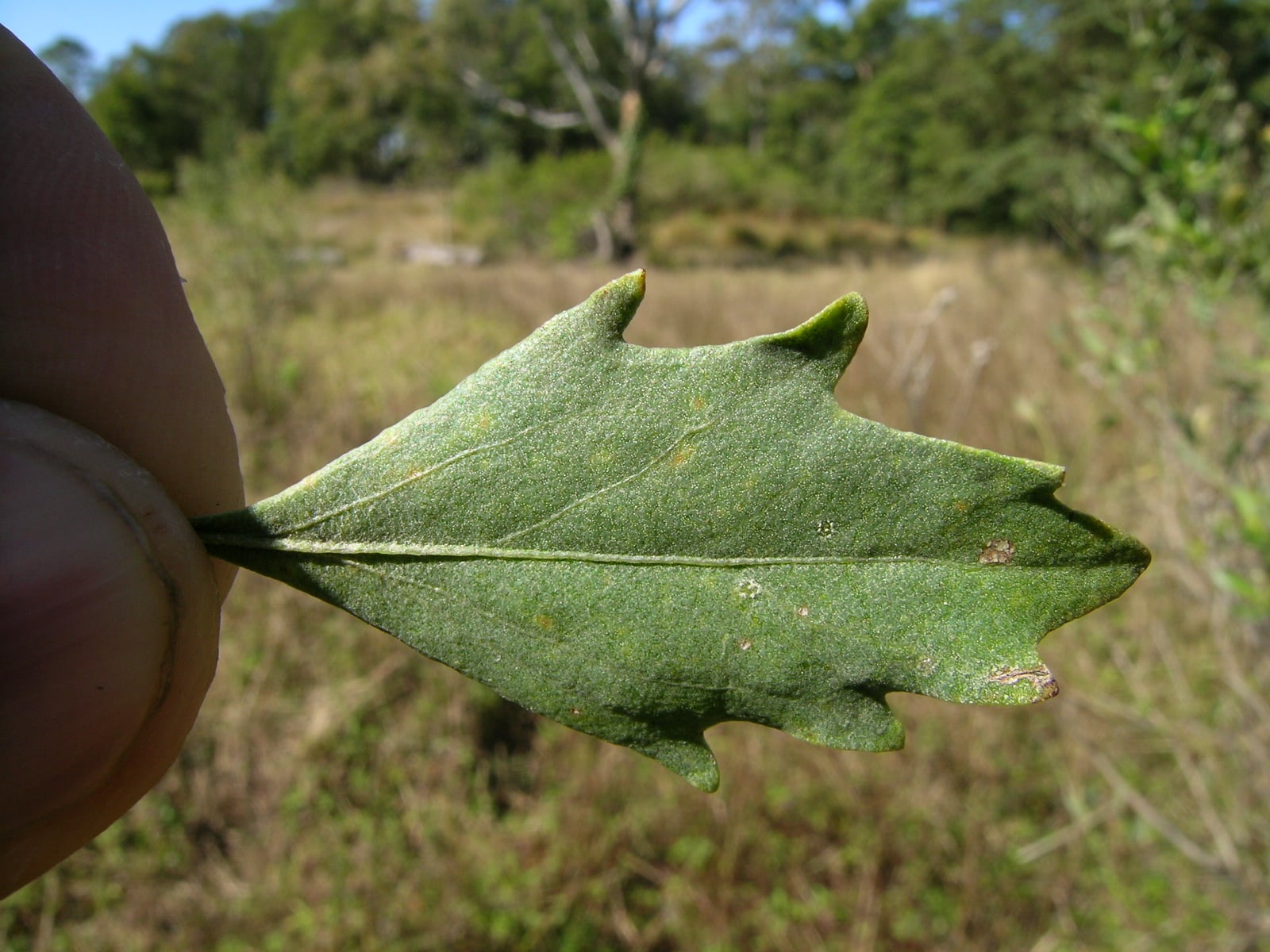
ℹ️ Educational profile — do not use it to judge whether a plant is edible or safe.
🌱 This database is constantly evolving — species and information are added and corrected regularly. Spotted a mistake? Report it below.
© Floraneo — profile content is protected; reproduction without permission is prohibited. Photos remain under their own licence (see the credit shown on each photo).