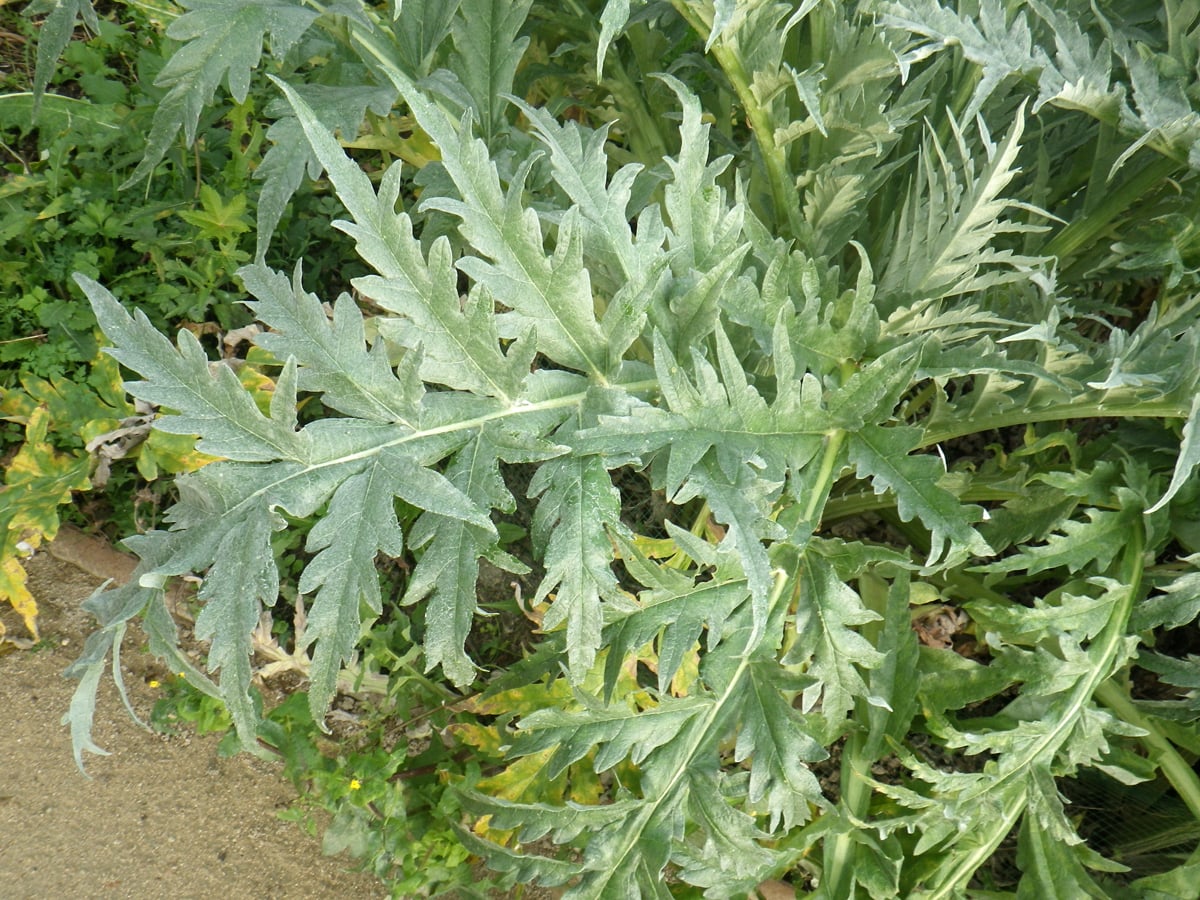
Leaf
Agnieszka Kwiecień, Nova, Wikimedia · CC BY-SA 4.0
European goldenrod
Solidago virgaurea L.
Also known as: Goldenrod
Family: Asteraceae
20 to 80 cm tall
Woodland edges, banks, gardens, all soils
Flowering: July – October
Full sun
Part shade
Hardy to -30°C
❓ How do you recognise this plant?
Used in herbal medicine for its diuretic properties, it is also a good nectar plant and is valued by bees in late summer.
🍃 Leaves
Lanceolate, toothed, bright green
🌸 Flowers
Long, upright spikes of small bright yellow flower heads
🍎 Fruits
Achenes topped with a white pappus
🪵 Bark
Upright clump, sparsely branched stems
🗺️ Distribution
Europe, temperate Asia; common in open woodland and dry banks in France.
🐝 Value for pollinators
Late yellow spikes very rich in nectar and pollen, an important autumn resource for bees and butterflies.
✂️ Horticultural uses
Naturalistic borders, wildflower meadows; to be distinguished from Canadian goldenrod (Solidago canadensis), which is more invasive in gardens.
⚠️ Possible toxicity
No known toxicity.
🌿 Other Asteraceae to discover


ℹ️ Educational profile — do not use it to judge whether a plant is edible or safe.
🌱 This database is constantly evolving — species and information are added and corrected regularly. Spotted a mistake? Report it below.
© Floraneo — profile content is protected; reproduction without permission is prohibited. Photos remain under their own licence (see the credit shown on each photo).