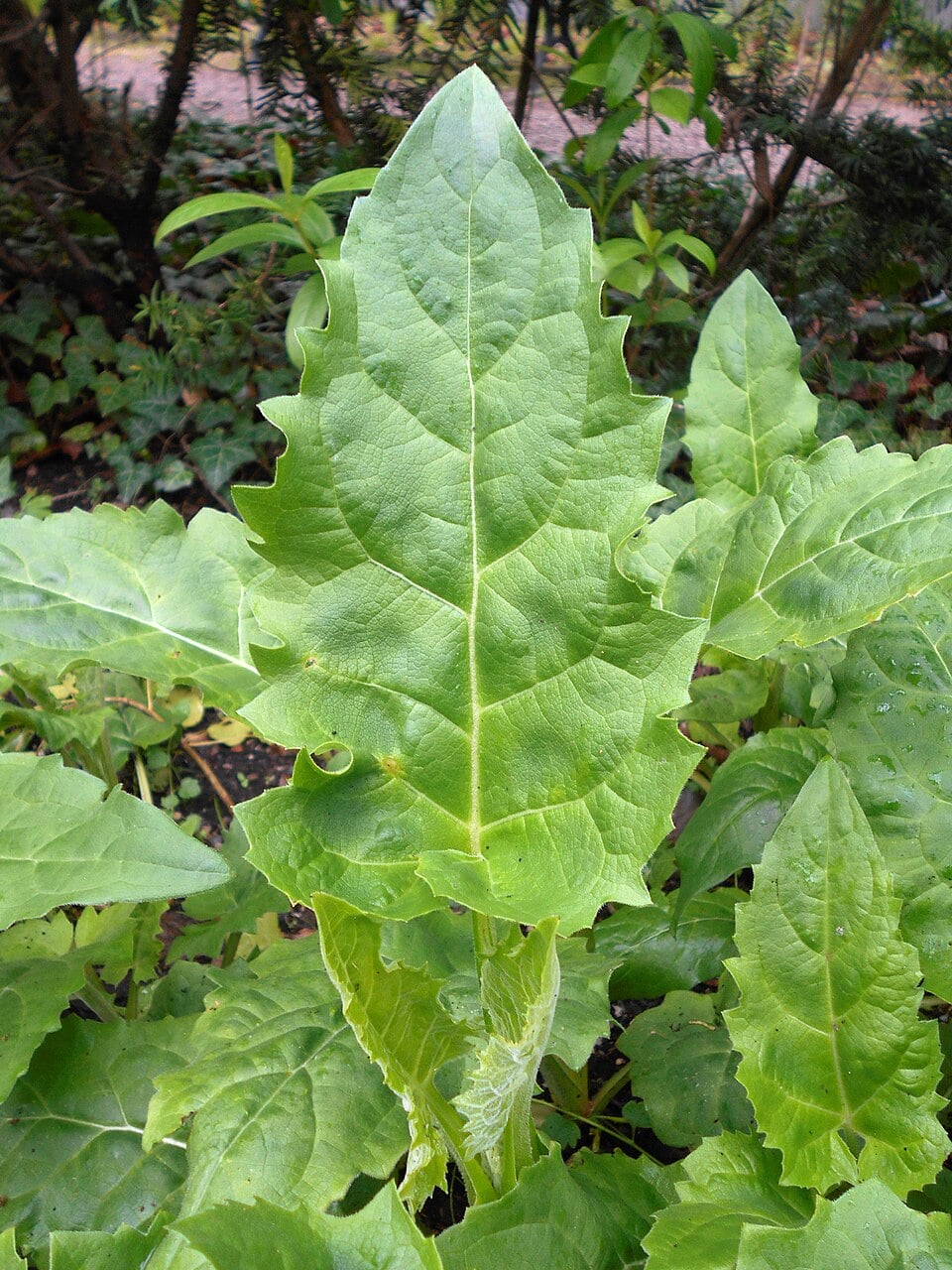
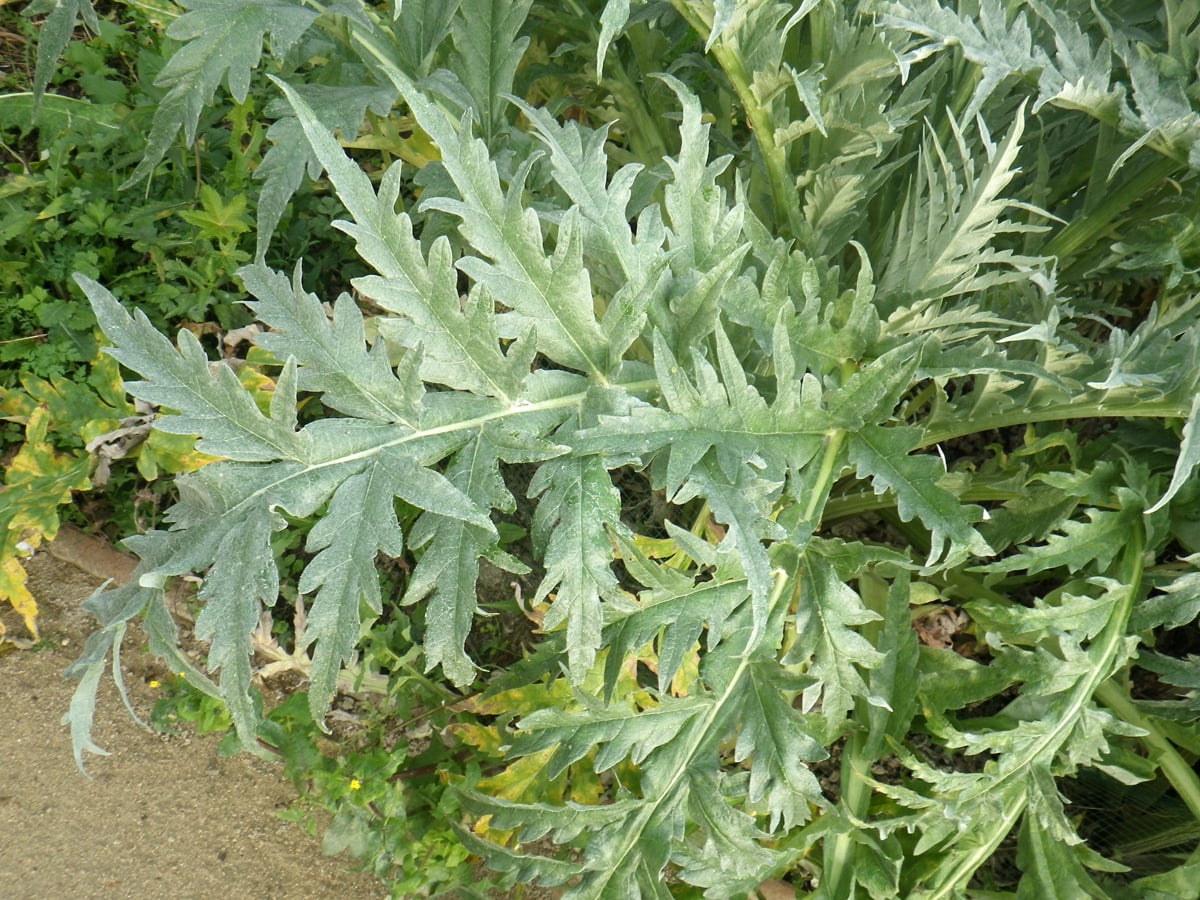
Leaf
Bertrand Bui, Tela Botanica · CC BY-SA 2.0
- 1 to 2 m tall
- Damp meadows, track edges, waste ground, medicinal herb gardens
- Full sun, Part shade
- -25°C
In flower from July to August
2 months❓ How do you recognise this plant?
Its root has been used since ancient Greece to treat coughs.
Learn to recognise it
Flowers of banks and rockeries. This plant is in the lesson “Flowers of banks and rockeries”, with 10 others.
🍃 Leaves
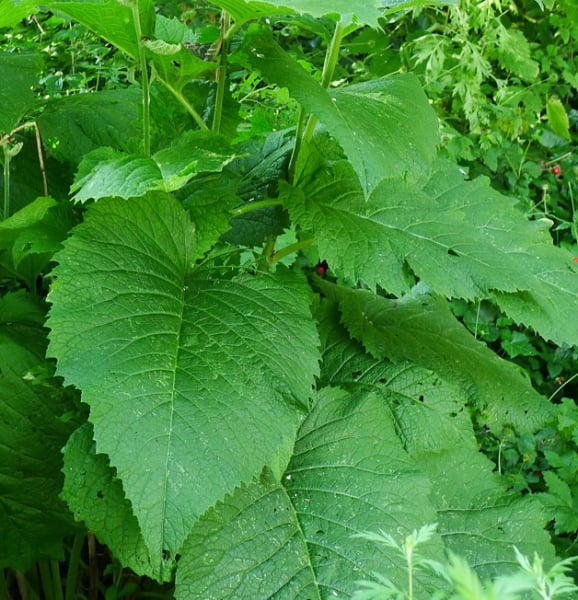
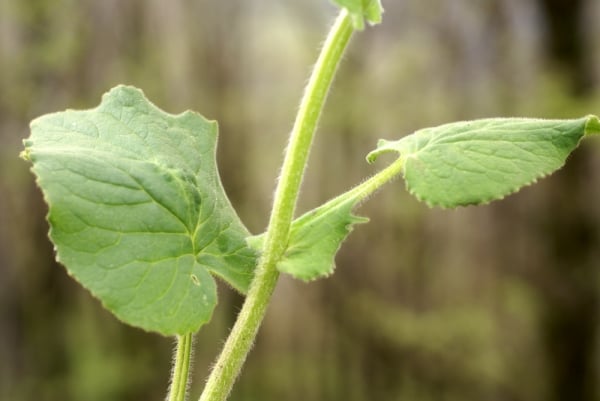
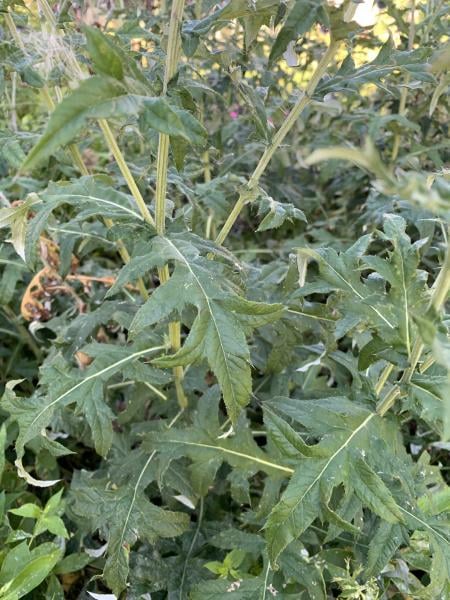
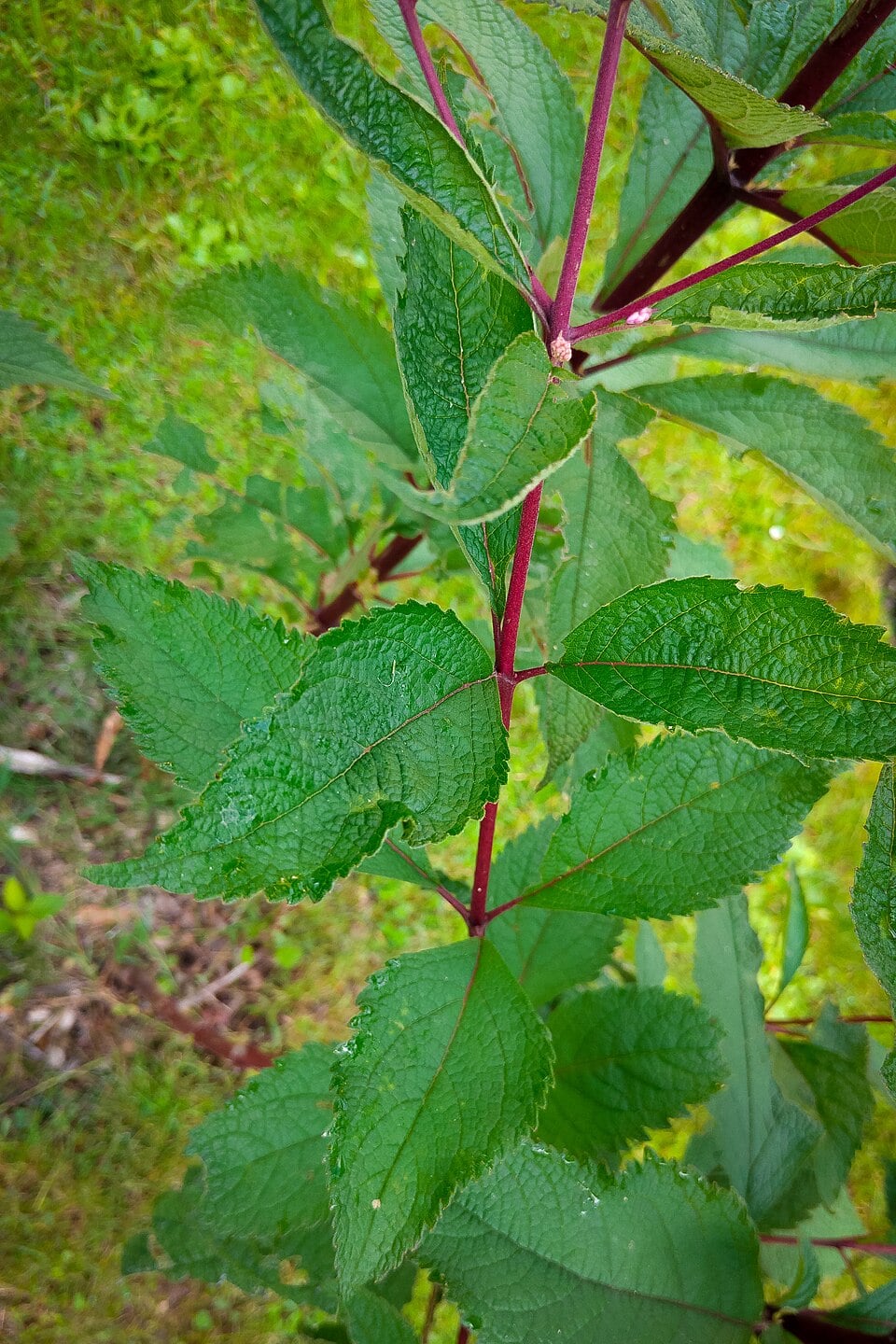
Large ovate, hairy, toothed leaves, the basal ones can reach 50 cm
🌸 Flowers
Large bright yellow flower heads with very fine, numerous ray florets, resembling a slender sunflower
🍎 Fruits
Achenes topped with a pappus of reddish hairs
🌿 Stem and habit
Upright, sturdy, hairy stem, little branched
Distribution, pollinators, uses
🗺️ Distribution
Europe and temperate Asia; naturalised and cultivated in France, especially near houses and old gardens.
🐝 Value for pollinators
Large flower heads rich in nectar and pollen, very attractive to bees and many foraging insects.
✂️ Horticultural uses
Back of the border, medicinal herb gardens, wildflower meadows; imposing silhouette and spectacular bright yellow flowering.
⚠️ Possible toxicity
Not toxic; root used since antiquity in herbal medicine for respiratory complaints.
🌿 Other Asteraceae to discover
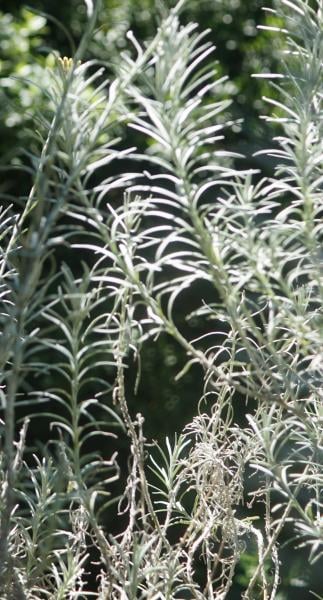
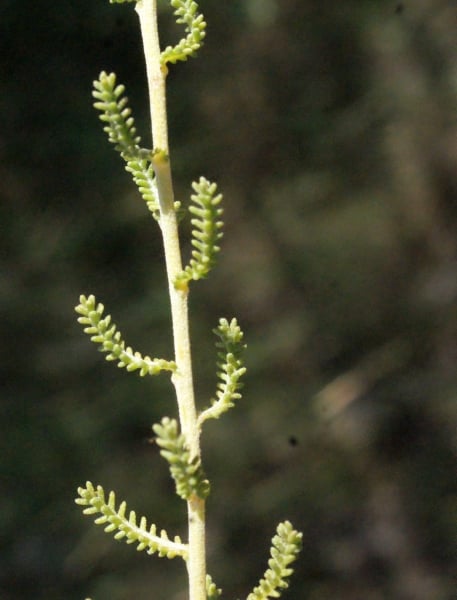
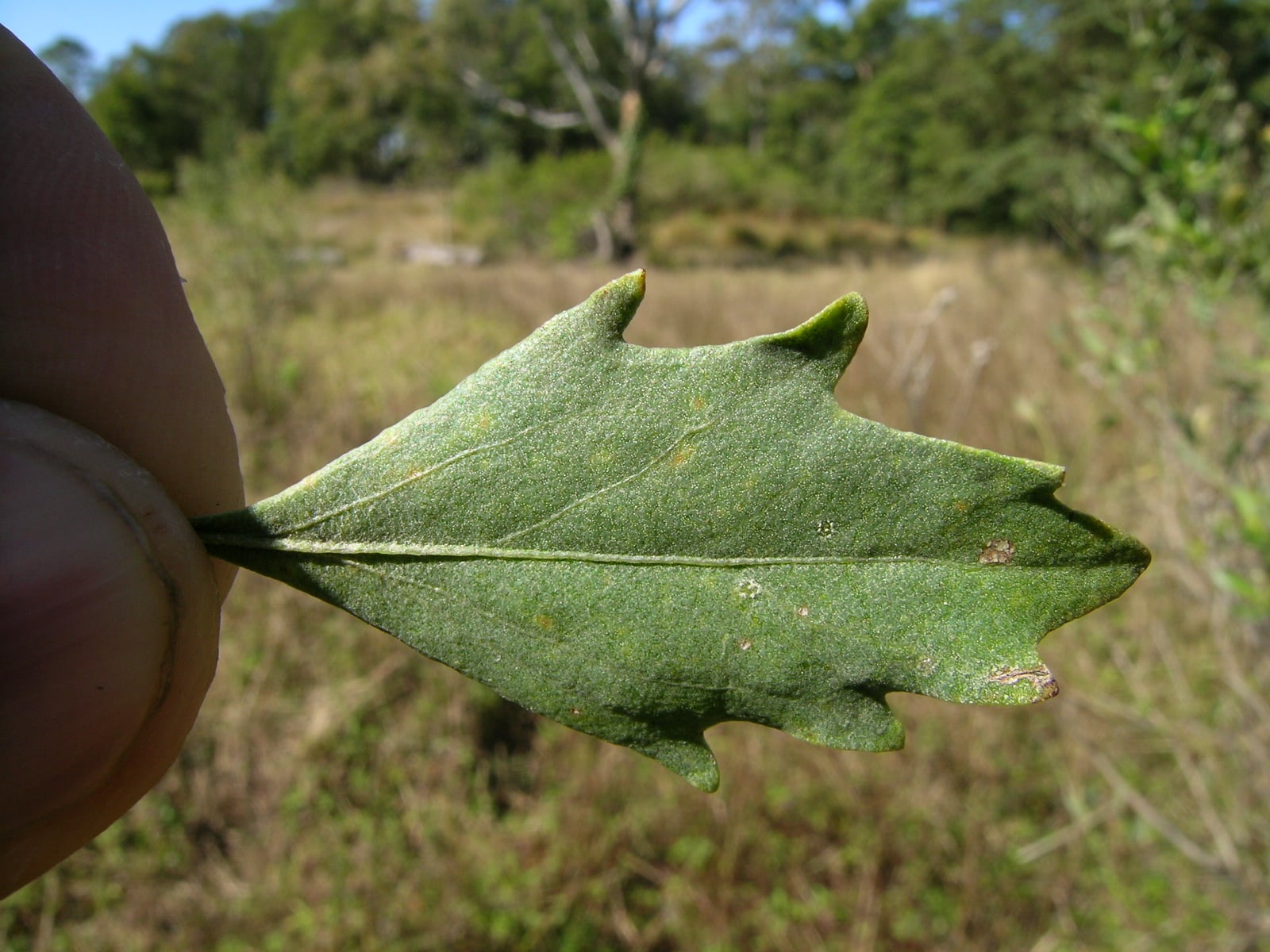
ℹ️ Educational profile — do not use it to judge whether a plant is edible or safe.
🌱 This database is constantly evolving — species and information are added and corrected regularly. Spotted a mistake? Report it below.
© Floraneo — profile content is protected; reproduction without permission is prohibited. Photos remain under their own licence (see the credit shown on each photo).