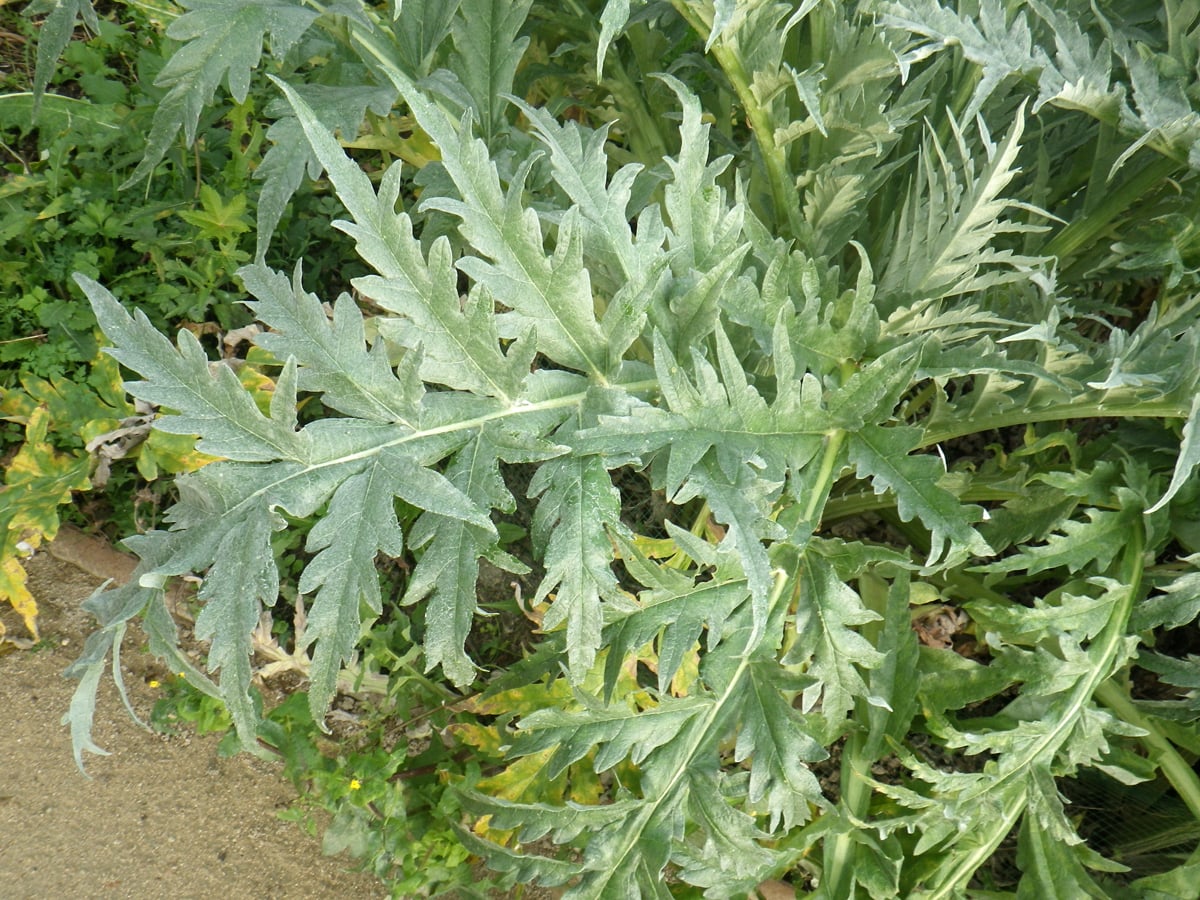
Leaf
Denise De Lassat, Tela Botanica · CC BY-SA 2.0
Dahlia
Dahlia pinnata Cav.
Also known as: Garden dahlia
Family: Asteraceae
60 cm to 1.50 m tall depending on variety
Planted in sunny beds, rich soils, tubers lifted in winter in cold climates
Flowering: July – October
Full sun
Not very hardy, the tubers dislike frost and must be lifted in cold climates
❓ How do you recognise this plant?
The dahlia is the national flower of Mexico, where its tubers were eaten as a vegetable by pre-Columbian civilisations long before Spanish botanists introduced it to Europe for its spectacular flowers.
🍃 Leaves
Compound, toothed, bright green
🌸 Flowers
Flower heads very variable depending on the cultivar, single, semi-double or fully double, in many colours.
🍎 Fruits
Flat achene
🪵 Bark
Herbaceous perennial with root tubers; the aerial parts generally die back in winter in cold regions.
🗺️ Distribution
Native to Mexico; very widely grown in France as a perennial or bedding tuber
🐝 Value for pollinators
Large flower heads rich in nectar, very attractive to bees and butterflies in late summer
✂️ Horticultural uses
Major bedding plant grown for its abundant, colourful flowering from late summer until the frosts, tubers to be brought indoors for winter in cold climates
⚠️ Possible toxicity
Not toxic to humans, tubers historically eaten by the Aztecs; mildly toxic to cats, dogs and horses (mild digestive upset, skin irritation on contact)
🌿 Other Asteraceae to discover


ℹ️ Educational profile — do not use it to judge whether a plant is edible or safe.
🌱 This database is constantly evolving — species and information are added and corrected regularly. Spotted a mistake? Report it below.
© Floraneo — profile content is protected; reproduction without permission is prohibited. Photos remain under their own licence (see the credit shown on each photo).