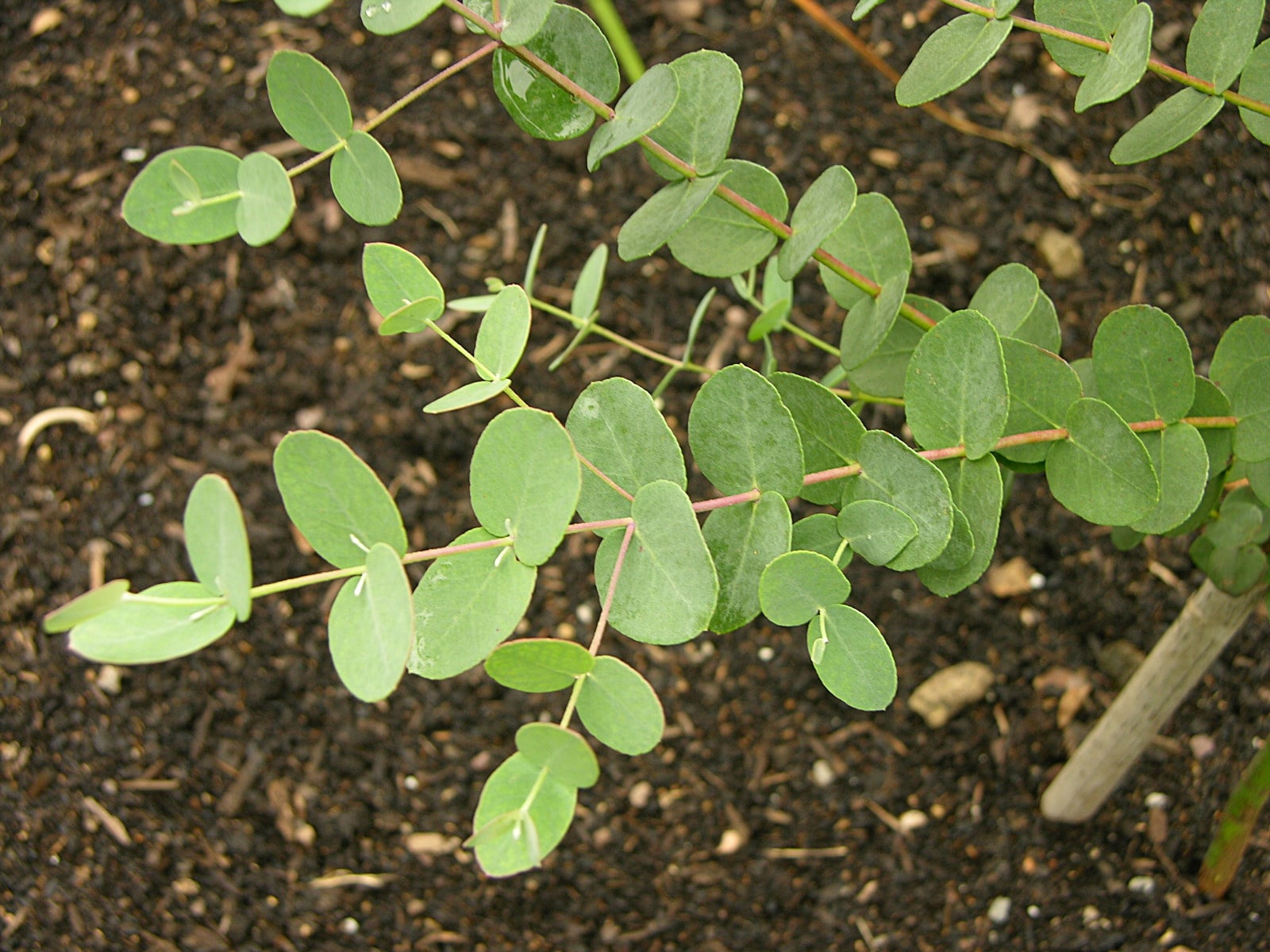
Leaf
Tournasol7, Wikimedia · CC BY 4.0
Crimson bottlebrush
Melaleuca citrina (Curtis) Skeels
Scientific synonyms: Callistemon citrinus
Also known as: Lemon bottlebrush, Bottlebrush
Family: Myrtaceae
- 2 to 4 m tall
- Planted as a specimen or in beds, mild climate, free-draining soils
- Full sun
- Not very hardy, dislikes frost below -8°C
In flower from May to July
3 months❓ How do you recognise this plant?
The bottlebrush flower has almost no visible petals — what we see as a bristly bright red spike is in fact a mass of long coloured stamens, the true petals being tiny and hidden.
Learn to recognise it
Collector shrubs. This plant is in the lesson “Collector shrubs”, with 10 others.

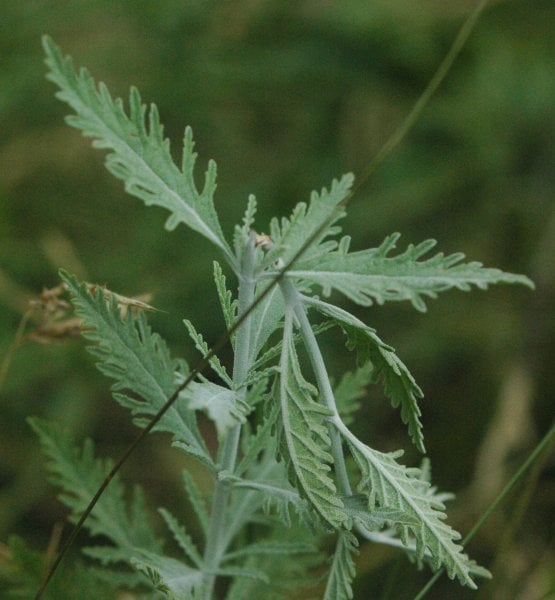
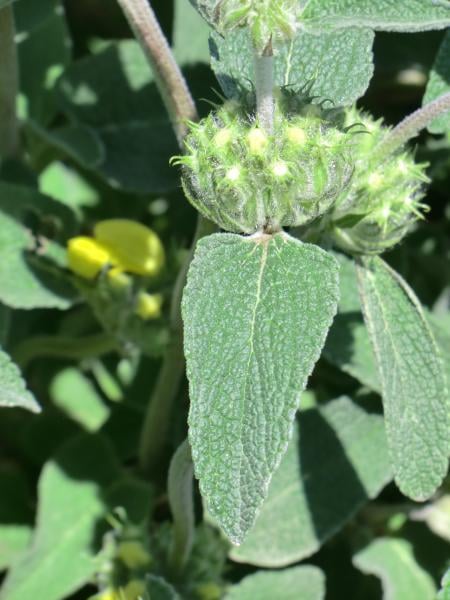
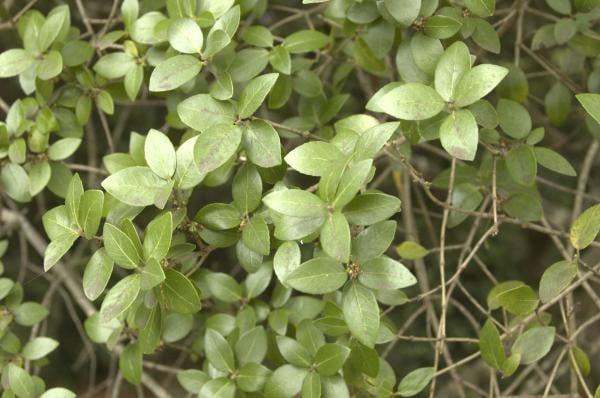
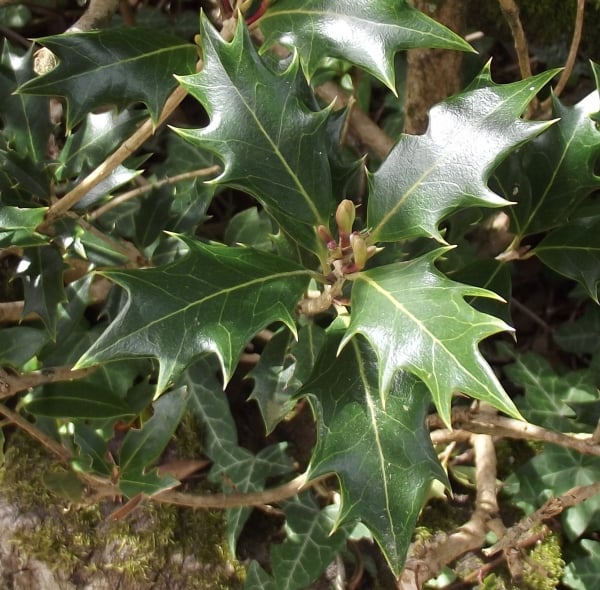
🍃 Leaves
Evergreen, narrow, lanceolate, giving off a lemony scent when crushed
🌸 Flowers
Bright red, grouped in cylindrical spikes bristling with long stamens, recalling a bottle brush
🍎 Fruits
Small woody capsule persisting along the twigs
🪵 Bark
Brown, peeling in strips
Distribution, pollinators, uses
🗺️ Distribution
Native to Australia; grown in France in mild climates, especially on the Mediterranean coast
🐝 Value for pollinators
Spikes rich in nectar, extremely attractive to bees and bumblebees
✂️ Horticultural uses
Spectacular ornamental shrub planted for its original bright red bottle-brush-shaped flowering
⚠️ Possible toxicity
No notable known toxicity
🌿 Other Myrtaceae to discover


ℹ️ Educational profile — do not use it to judge whether a plant is edible or safe.
🌱 This database is constantly evolving — species and information are added and corrected regularly. Spotted a mistake? Report it below.
© Floraneo — profile content is protected; reproduction without permission is prohibited. Photos remain under their own licence (see the credit shown on each photo).