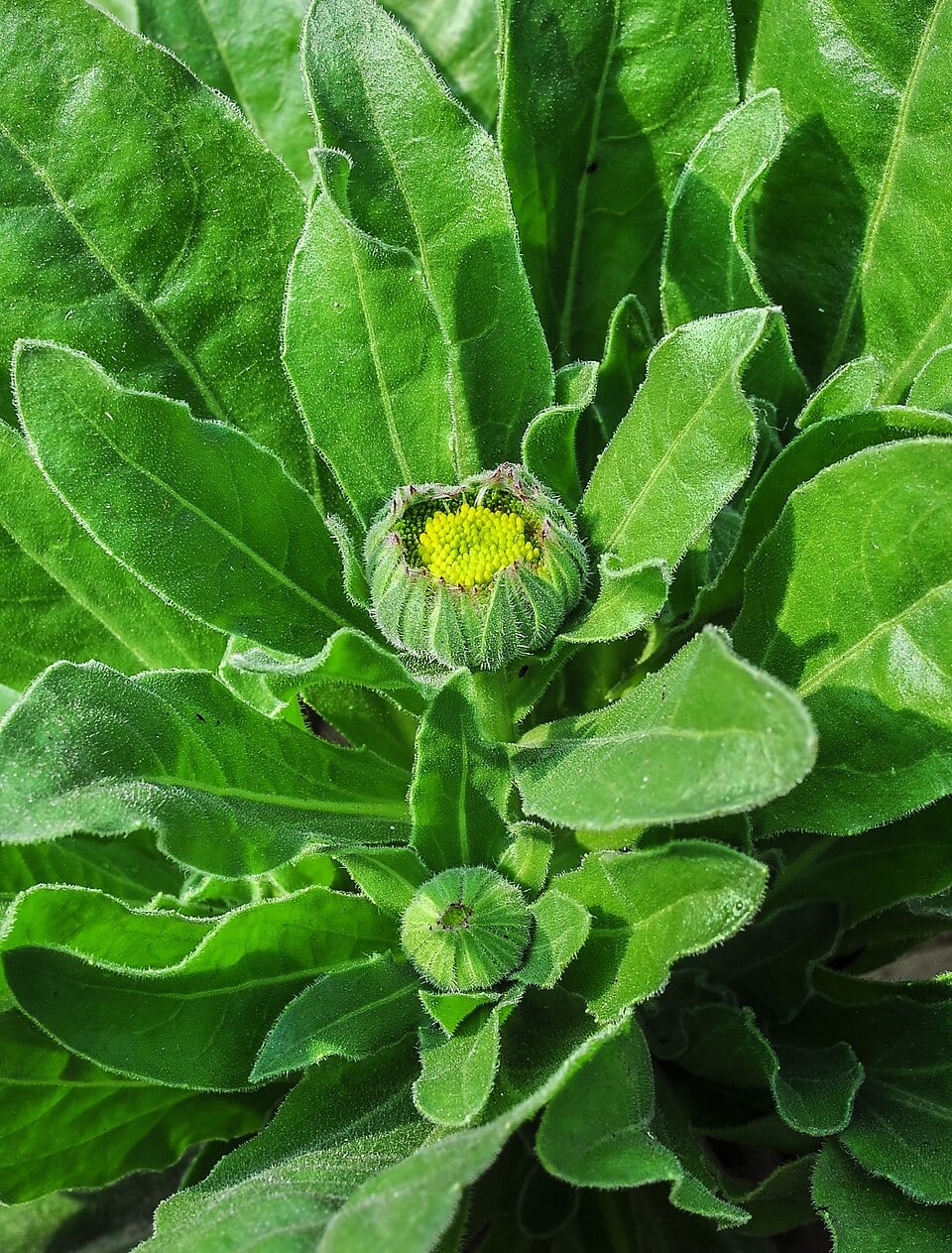
Leaf
Salicyna, Wikimedia · CC BY-SA 4.0
Telling knapweeds apart ›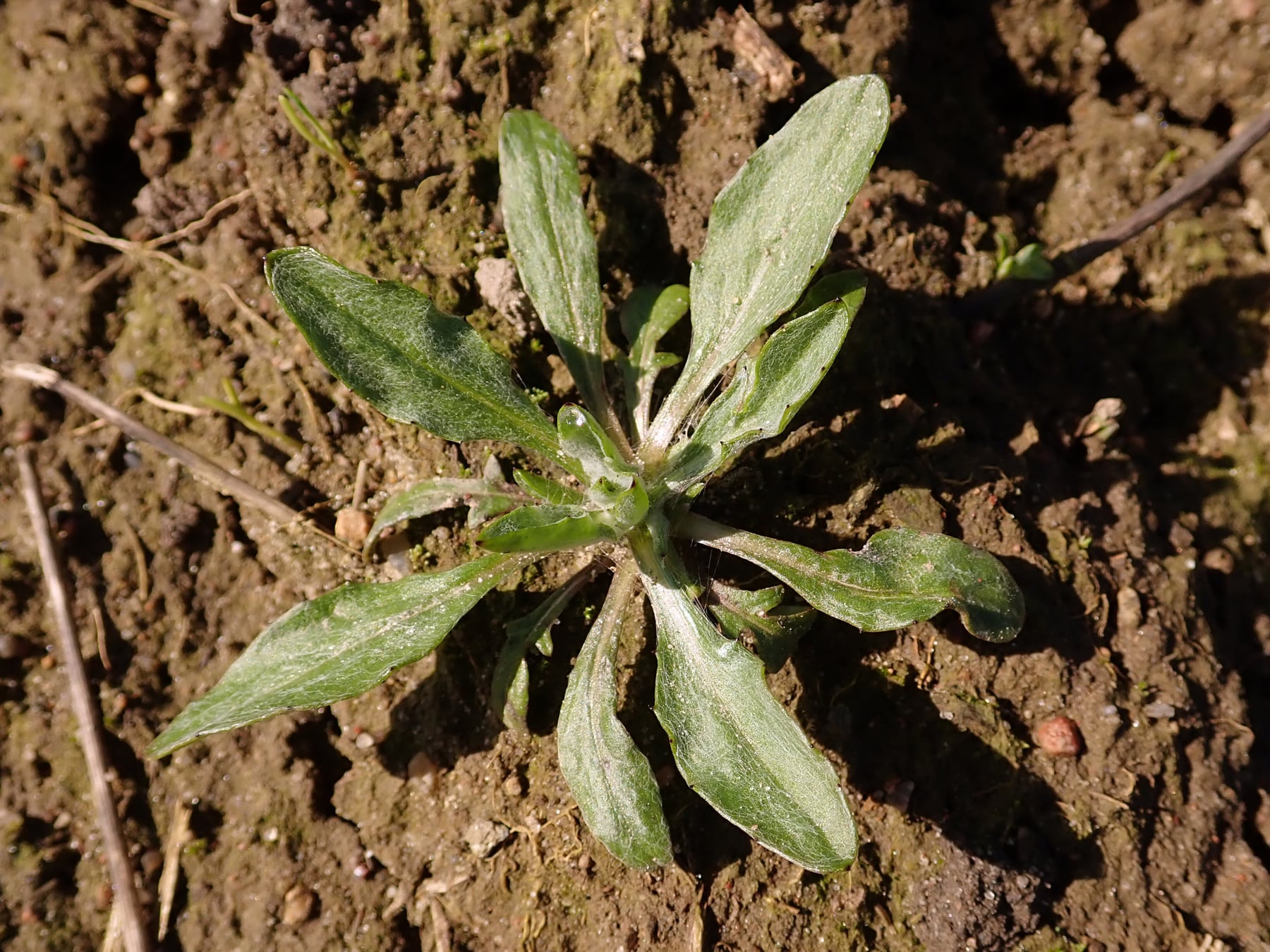
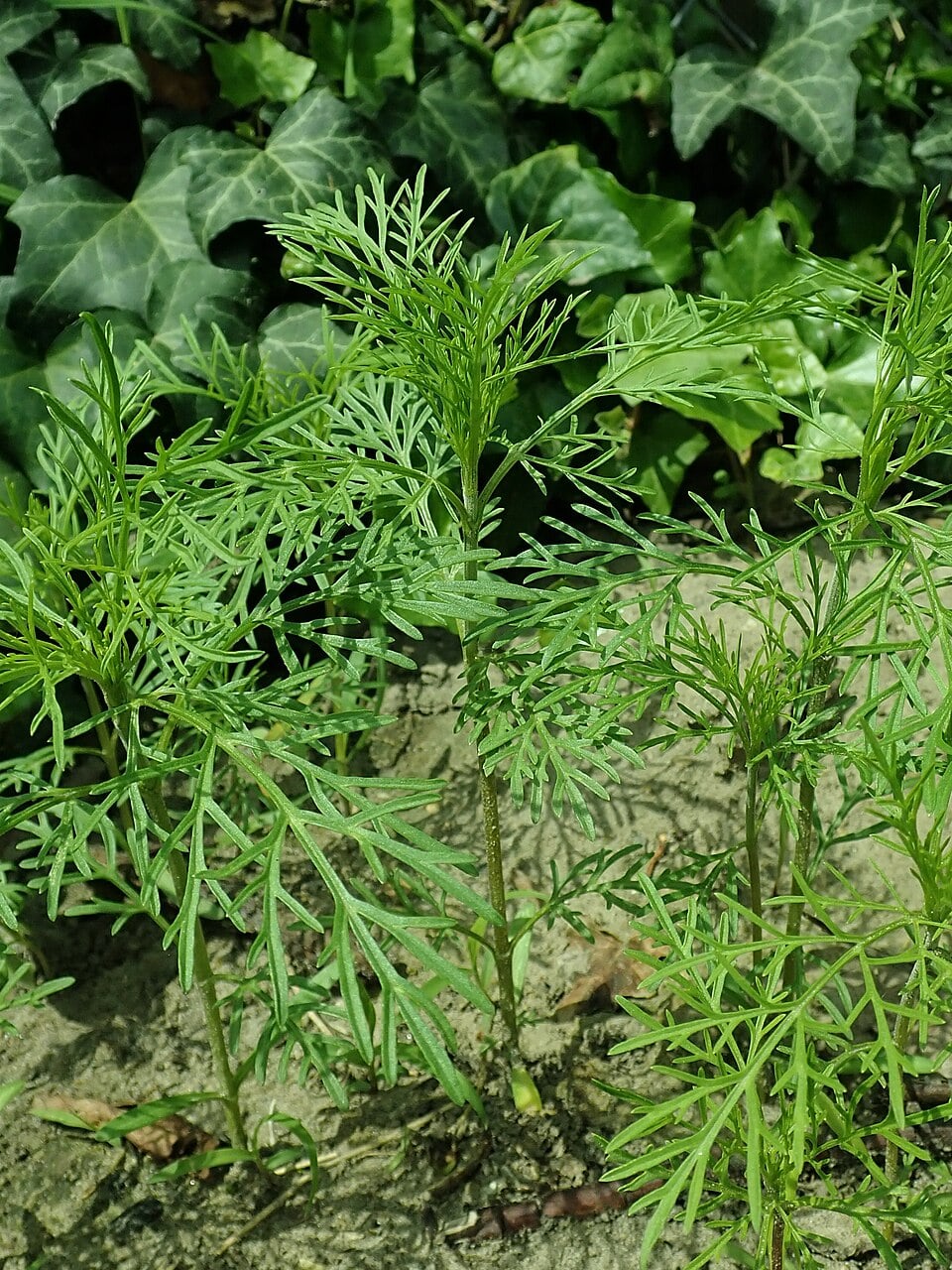
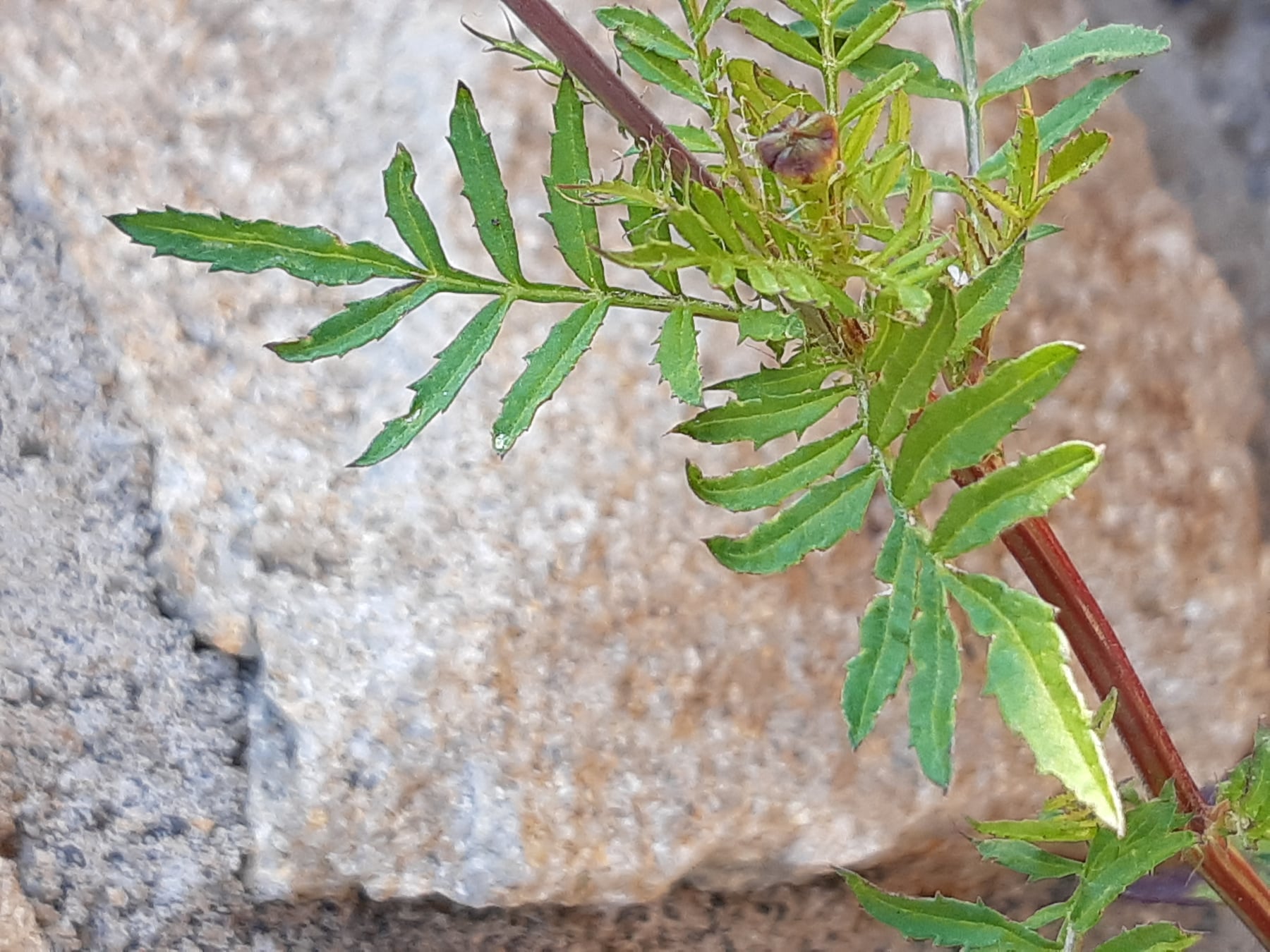
 +7
 See the full comparison →
- 30 to 80 cm
- Cultivated fields, waste ground, roadsides
- Full sun, Part shade
- Hardy to -15°C
In flower from May to August
4 months❓ How do you recognise this plant?
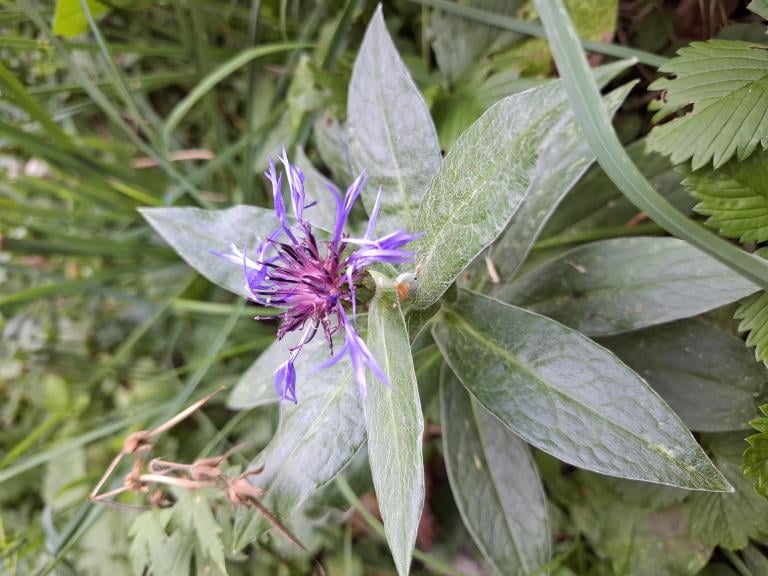
So intensely blue that it has given its name to the colour itself in several languages. Perennial cornflower is a robust perennial with large, bright blue, solitary flowers at the top of whitish-hairy stems, whereas cornflower is a slimmer annual of cornfields, with smaller flowers and slender, branched stems.
Learn to recognise it
Field and garden flowers. This plant is in the lesson “Field and garden flowers”, with 11 others.
🍃 Leaves
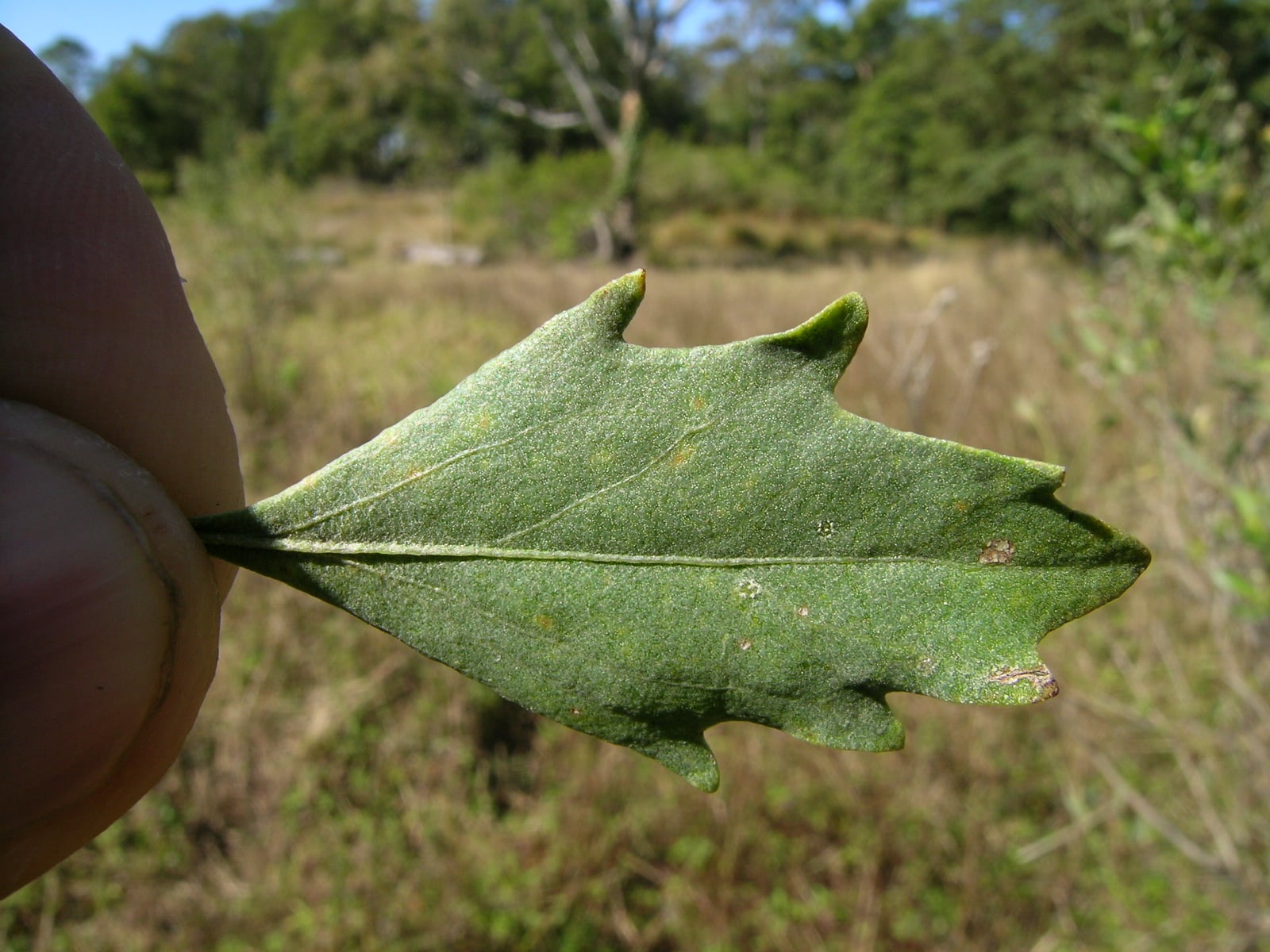
Narrow, linear, slightly woolly
🌸 Flowers
Intense bright blue, flower head with spreading outer florets
🍎 Fruits
Achenes topped with a small pappus
🌿 Stem and habit
Annual herbaceous plant with an upright stem, branched in the upper part.
Distribution, pollinators, uses
🗺️ Distribution
Native to the eastern Mediterranean basin, naturalised throughout Europe; has become rare in French crops following herbicide use
🐝 Value for pollinators
Blue flowers rich in nectar and pollen, very attractive to bees, butterflies and hoverflies
✂️ Horticultural uses
Grown in flower borders, wildflower meadows and country bouquets, a symbol of flowering fallows
⚠️ Possible toxicity
The flowers are traditionally used and may be eaten in small quantities (culinary decoration); do not present the whole species as edible.
⚠️ Look-alike species
Cornflower
Centaurea cyanus
Perennial cornflower
Centaurea montana
Perennial cornflower is a robust perennial with large, bright blue, solitary flowers at the top of whitish-hairy stems, whereas cornflower is a slimmer annual of cornfields, with smaller flowers and slender, branched stems.
🌿 Other Asteraceae to discover
ℹ️ Educational profile — do not use it to judge whether a plant is edible or safe.
🌱 This database is constantly evolving — species and information are added and corrected regularly. Spotted a mistake? Report it below.
© Floraneo — profile content is protected; reproduction without permission is prohibited. Photos remain under their own licence (see the credit shown on each photo).