Leaf
Psilotum, Wikimedia · CC BY-SA 4.0
Common valerian
Valeriana officinalis L.
Also known as: Valerian, Garden heliotrope
Family: Caprifoliaceae
60 cm to 1.5 m tall
Damp meadows, ditch edges, woodland edges
Flowering: June – August
Full sun
Part shade
Hardy to -15°C
❓ How do you recognise this plant?
The dried root gives off a strong, distinctive smell, the origin of its traditional use as a calming remedy.
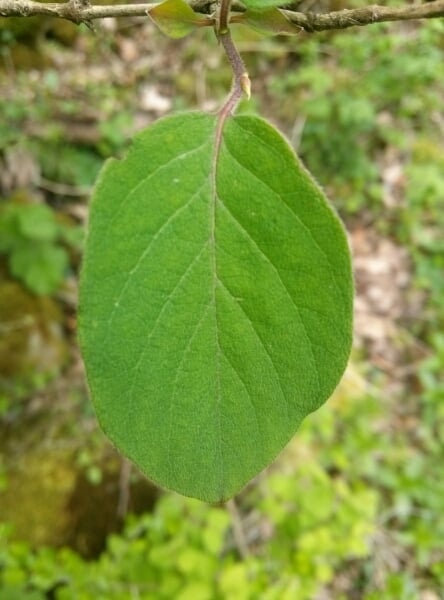
🍃 Leaves
Compound, many narrow, toothed leaflets, opposite
🌸 Flowers
Small, pinkish-white, in a dense corymb at the top of the stem
🍎 Fruits
Small achenes topped with a feathery pappus
🪵 Bark
Hollow, grooved herbaceous stem
🗺️ Distribution
Europe, temperate Asia; common in damp meadows and cool woodland edges in France.
🐝 Value for pollinators
Umbels of small pink-white flowers very rich in nectar, attractive to butterflies and bees in summer.
✂️ Horticultural uses
Damp borders, back of the border, naturalistic gardens; dried root with a characteristic smell very attractive to cats.
⚠️ Possible toxicity
No known toxicity at usual doses, root traditionally used in herbal medicine (sleep, anxiety).
🌿 Other Caprifoliaceae to discover


ℹ️ Educational profile — do not use it to judge whether a plant is edible or safe.
🌱 This database is constantly evolving — species and information are added and corrected regularly. Spotted a mistake? Report it below.
© Floraneo — profile content is protected; reproduction without permission is prohibited. Photos remain under their own licence (see the credit shown on each photo).