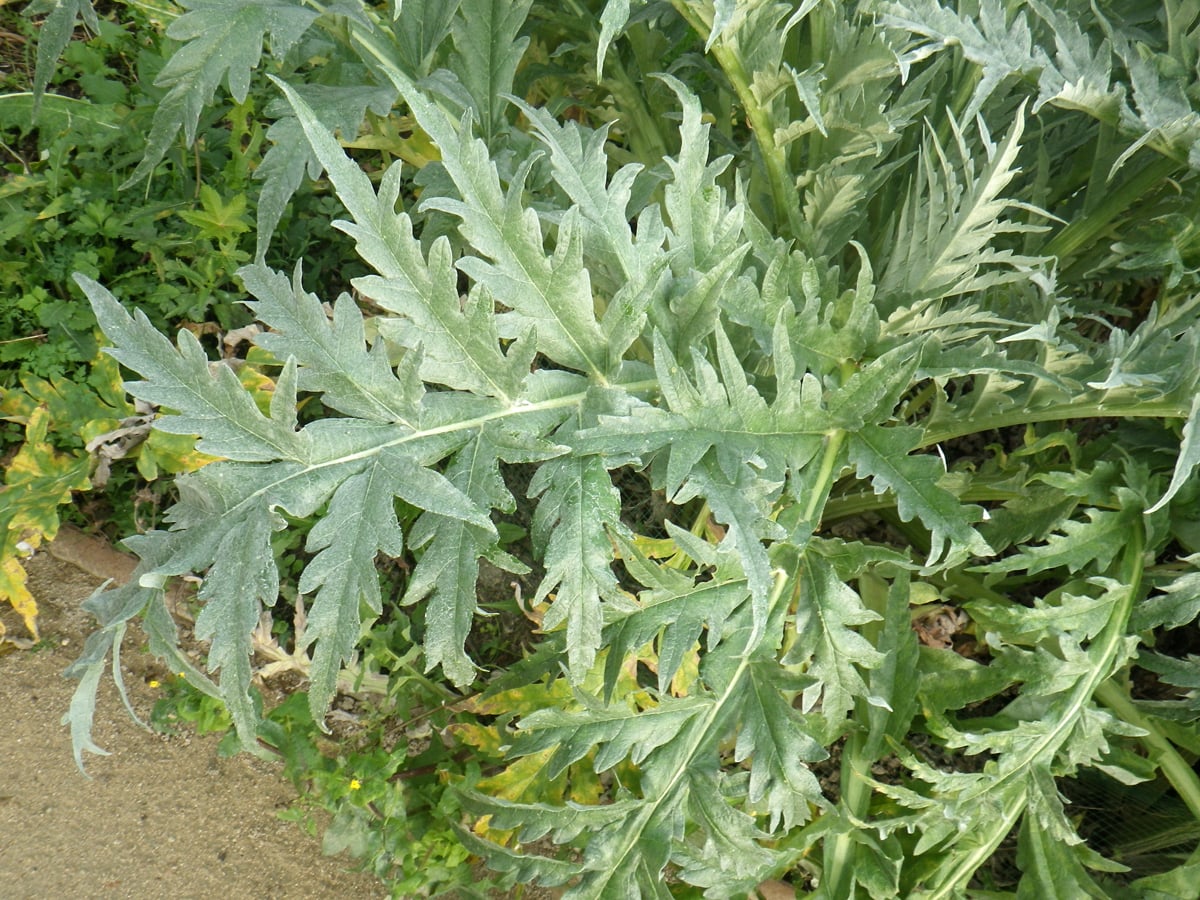
Leaf
Willow Coville, Wikimedia · CC BY-SA 4.0
Chrysanthemum
Chrysanthemum x morifolium (Ramat.) Hemsl.
Also known as: Florist's chrysanthemum, Garden chrysanthemum
Family: Asteraceae
30 to 90 cm tall depending on variety
Beds, borders and pots; widely sold in autumn to adorn graves and gardens
Flowering: September – November
Full sun
Hardy to about -15°C for the outdoor varieties known as “hardy chrysanthemums”
❓ How do you recognise this plant?
In France, the chrysanthemum is almost exclusively associated with All Saints' Day graves, whereas it is given as a flower of good omen in many other countries, notably in Asia.
🍃 Leaves
Alternate, cut into toothed lobes, greyish green, aromatic when crushed
🌸 Flowers
Double or single flower heads, very varied in shape and colour (white, yellow, red, purple, bronze)
🍎 Fruits
Dry achene, seldom seen in cultivation (varieties mainly propagated by cuttings or division)
🪵 Bark
Not applicable — herbaceous plant
🗺️ Distribution
Horticultural hybrid of Chinese origin, cultivated for centuries in East Asia then in Europe
🐝 Value for pollinators
Late flowering, useful to the last bees active before winter
✂️ Horticultural uses
In France, strongly associated with All Saints' Day for adorning graves, but also grown in beds as a hardy late-season perennial
⚠️ Possible toxicity
May cause slight skin or digestive irritation in some sensitive people or in domestic animals
🌿 Other Asteraceae to discover


ℹ️ Educational profile — do not use it to judge whether a plant is edible or safe.
🌱 This database is constantly evolving — species and information are added and corrected regularly. Spotted a mistake? Report it below.
© Floraneo — profile content is protected; reproduction without permission is prohibited. Photos remain under their own licence (see the credit shown on each photo).