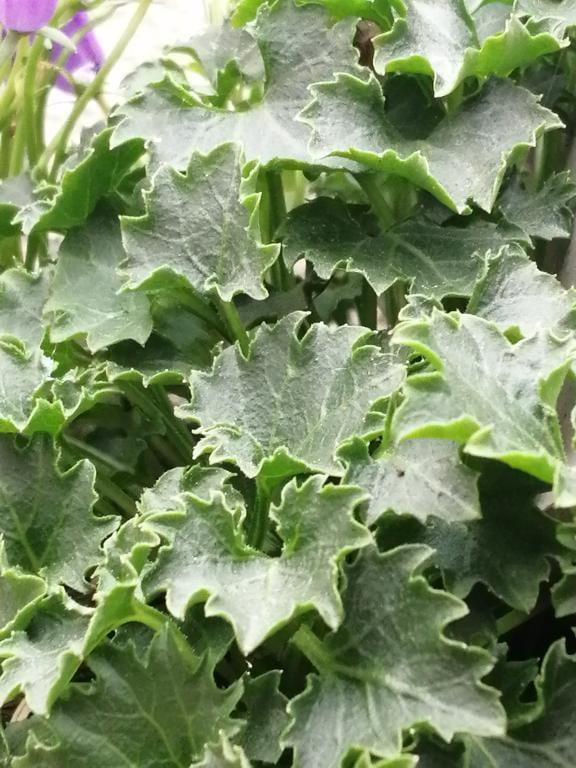
Leaf
Salicyna, Wikimedia · CC BY-SA 4.0
Telling bellflowers apart ›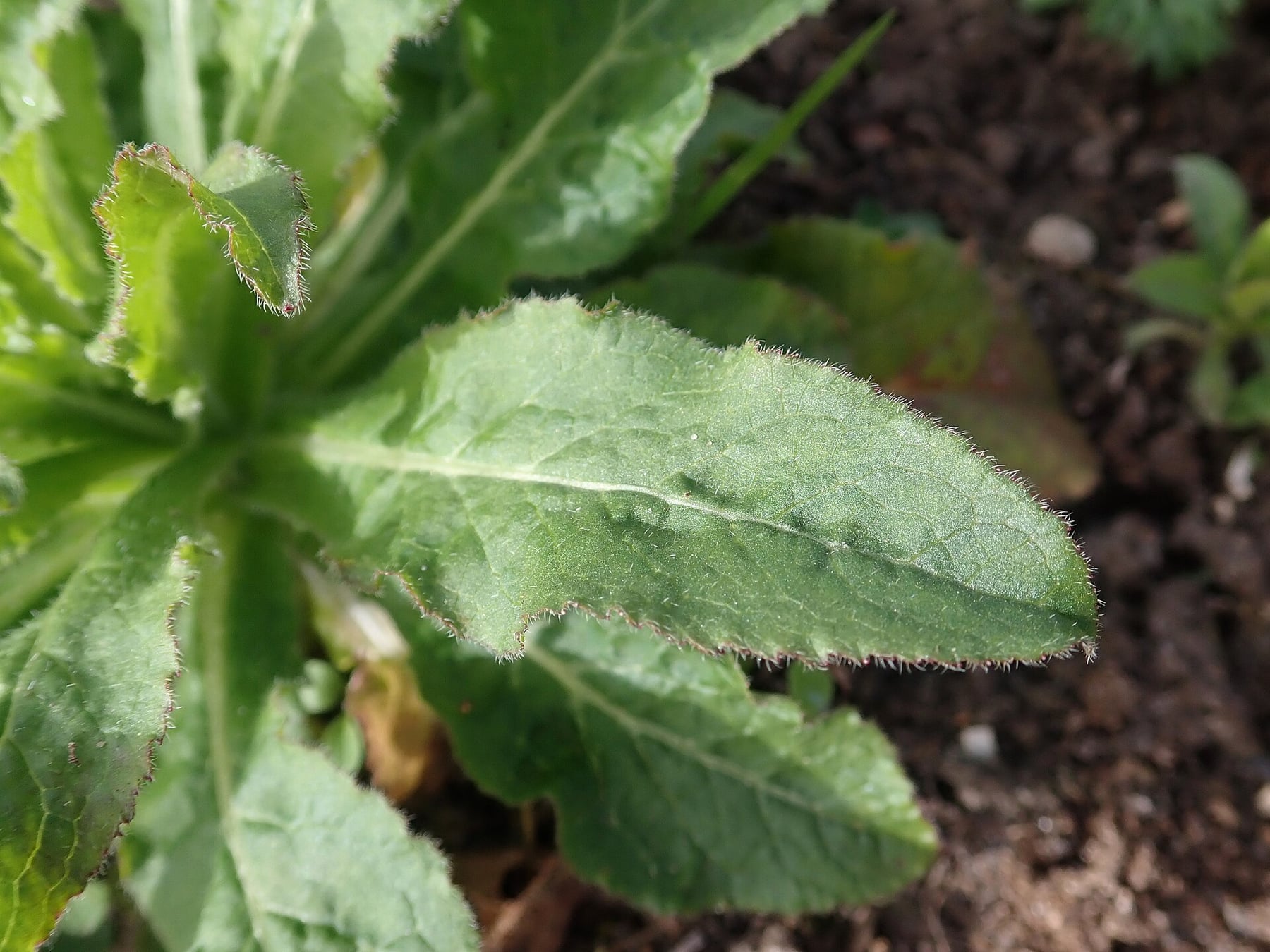
 See the full comparison →
- 50 to 100 cm tall
- Country gardens, borders and edgings; native to southern Europe (southern Alps, Italy)
- Full sun, Part shade
- Very hardy, to -20°C
In flower from May to July
3 months❓ How do you recognise this plant?
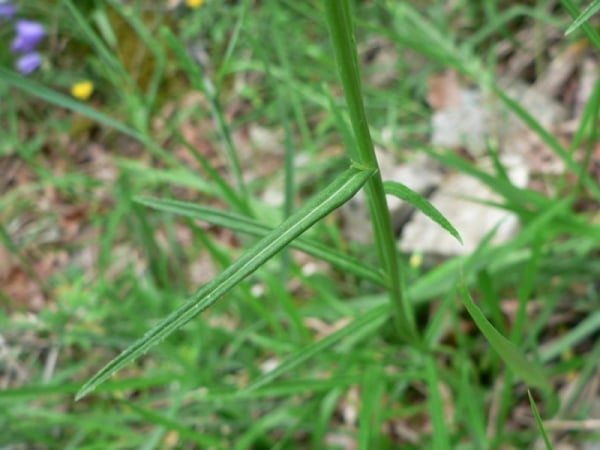
A biennial, it forms only a rosette in its first year and flowers only in its second, opening all its bells at once like a chime. Canterbury bells is biennial, with big upright bells 4 to 5 cm long and rough hairy leaves; peach-leaved bellflower is perennial, with open, more spreading bells 3 to 4 cm long and narrow, hairless, glossy leaves.
🍃 Leaves
In a rosette at the base, lance-shaped, 10 to 20 cm, and narrower on the stem, rough and hairy
🌸 Flowers
Large upright bells 4 to 5 cm long, blue, pink or white, sometimes double in a cup-and-saucer form
🍎 Fruits
Rounded capsules that open through small pores
🌿 Stem and habit
Upright, rough, hairy stem
Distribution, pollinators, uses
🗺️ Distribution
Southern Europe (southern Alps, Italy); grown across Europe
🐝 Value for pollinators
Large bells visited by bumblebees and bees
✂️ Horticultural uses
Biennial for country gardens: sow it one year and it flowers the next, before self-seeding
⚠️ Possible toxicity
Not known to be toxic
⚠️ Look-alike species
Canterbury bells
Campanula medium
Peach-leaved bellflower
Campanula persicifolia
Canterbury bells is biennial, with big upright bells 4 to 5 cm long and rough hairy leaves; peach-leaved bellflower is perennial, with open, more spreading bells 3 to 4 cm long and narrow, hairless, glossy leaves.
🌿 Other Campanulaceae to discover
ℹ️ Educational profile — do not use it to judge whether a plant is edible or safe.
🌱 This database is constantly evolving — species and information are added and corrected regularly. Spotted a mistake? Report it below.
© Floraneo — profile content is protected; reproduction without permission is prohibited. Photos remain under their own licence (see the credit shown on each photo).