Leaf
Henri Scordia, Tela Botanica · CC BY-SA 2.0
Harebell
Campanula rotundifolia L.
Also known as: Scottish bluebell
Family: Campanulaceae
15 to 40 cm tall
Dry meadows, banks, rock gardens
Flowering: June – September
Full sun
Part shade
Hardy to -15°C
❓ How do you recognise this plant?
The round leaves that give it its name have often disappeared by flowering time — only the narrow stem leaves remain. Peach-leaved bellflower has large blue-violet flowers in broad bells on a stiff stem, with rounded basal leaves that disappear early, whereas harebell keeps its rounded basal leaves visible at flowering.
🍃 Leaves
Round at the base (often gone by flowering), narrow and linear on the stem
🌸 Flowers
Pendulous blue-violet bells, in a loose raceme
🍎 Fruits
Small capsule opening by pores
🪵 Bark
Slender, upright herbaceous stem
🗺️ Distribution
Europe, Asia, North America; common in dry meadows, lawns and rock gardens in France.
🐝 Value for pollinators
Small blue nectar-rich bells visited by wild bees and bumblebees.
✂️ Horticultural uses
Rock gardens, edging, low walls; light, prolonged flowering all summer.
⚠️ Possible toxicity
No known toxicity.
⚠️ Look-alike species
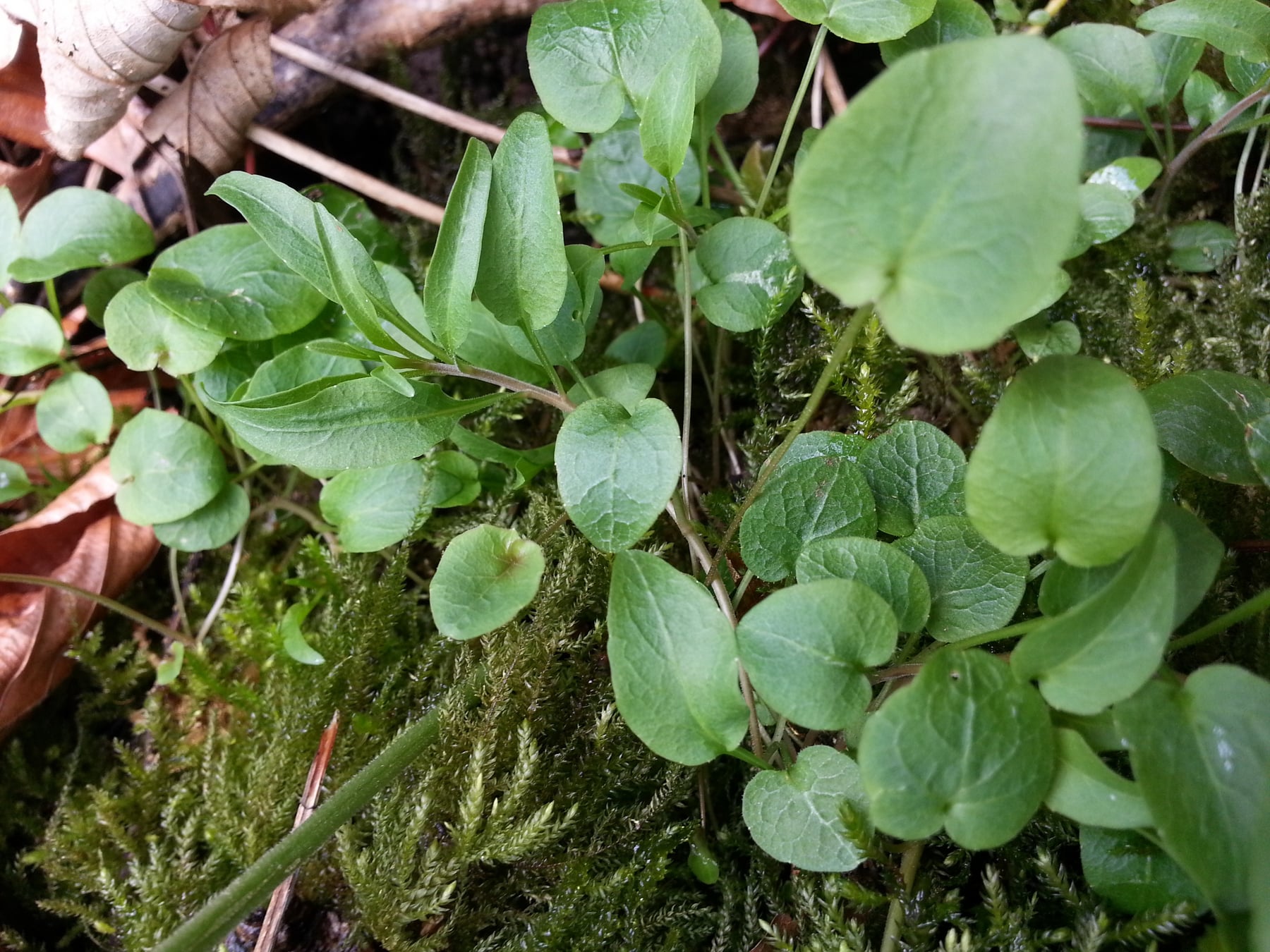
Harebell
Campanula rotundifolia
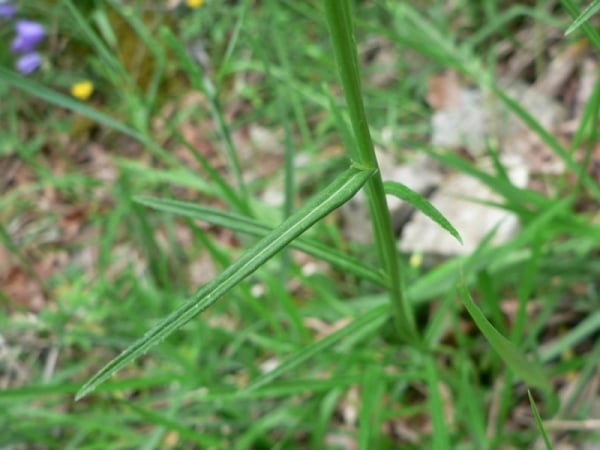
Peach-leaved bellflower
Campanula persicifolia
Peach-leaved bellflower has large blue-violet flowers in broad bells on a stiff stem, with rounded basal leaves that disappear early, whereas harebell keeps its rounded basal leaves visible at flowering.
🌿 Other Campanulaceae to discover


ℹ️ Educational profile — do not use it to judge whether a plant is edible or safe.
🌱 This database is constantly evolving — species and information are added and corrected regularly. Spotted a mistake? Report it below.
© Floraneo — profile content is protected; reproduction without permission is prohibited. Photos remain under their own licence (see the credit shown on each photo).