Leaf
Andrea Moro · CC BY-SA 4.0
- 40 cm to 1 m tall
- Planted in sunny borders and beds
- Full sun
- Hardy to about -20°C, but often grown as a biennial because it is short-lived
In flower from July to October
4 months❓ How do you recognise this plant?
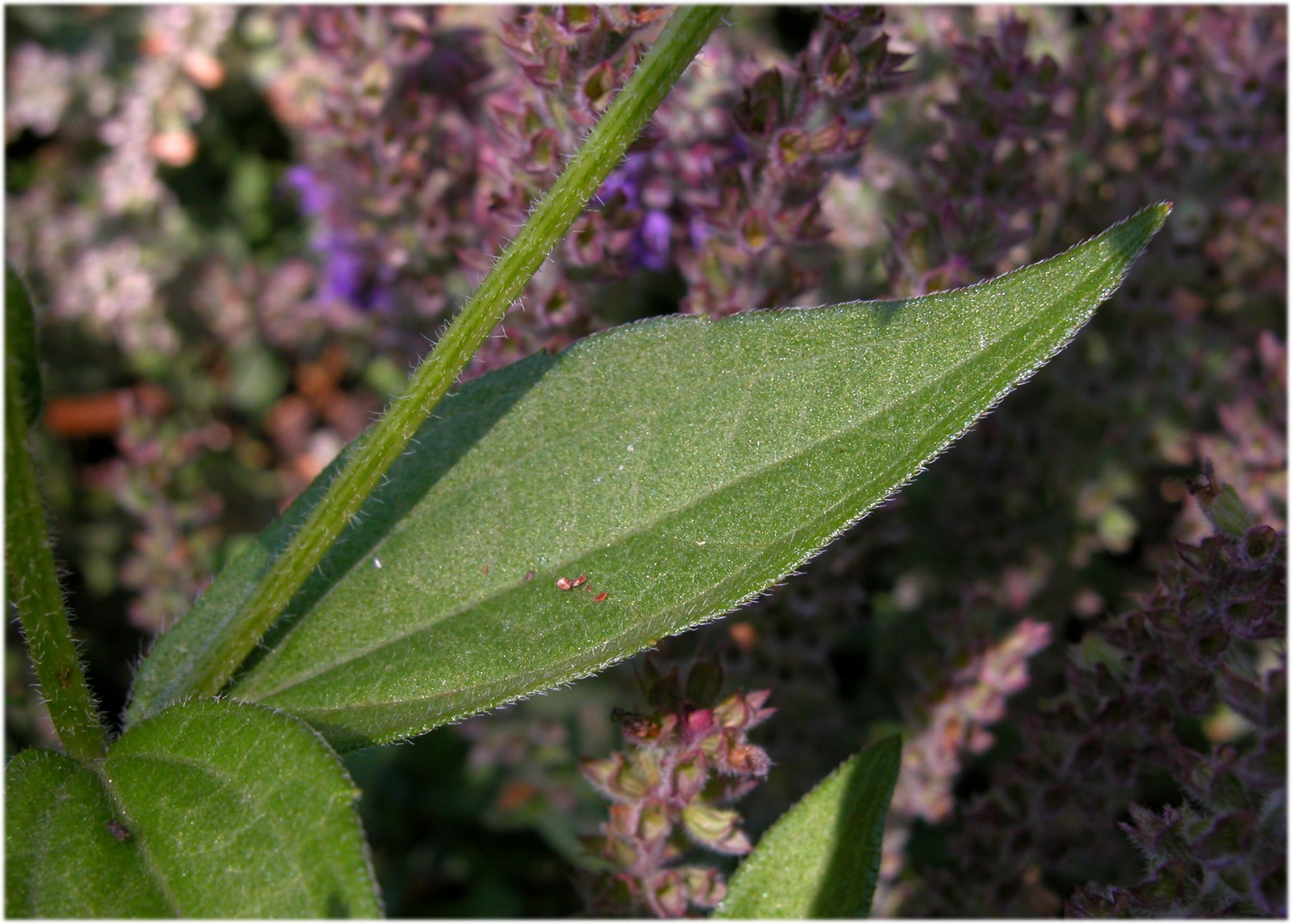
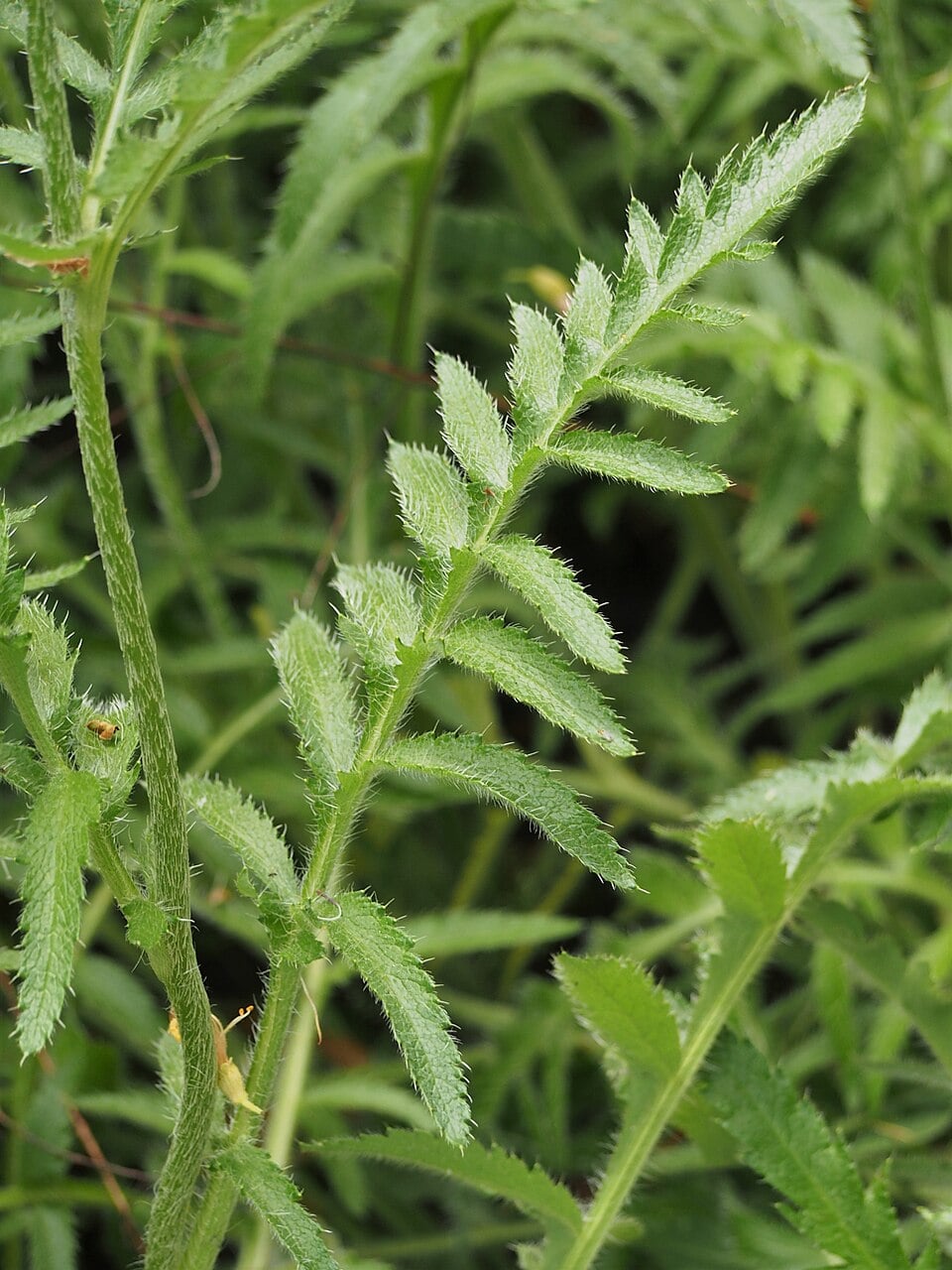
It is named for its stems and leaves covered in coarse hairs, clearly visible and perceptible to the touch.
Learn to recognise it
Classic spring flowers. This plant is in the lesson “Classic spring flowers”, with 11 others.

🍃 Leaves
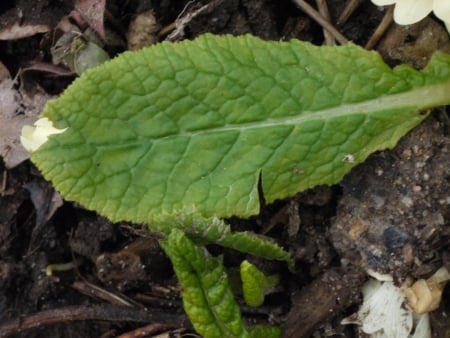
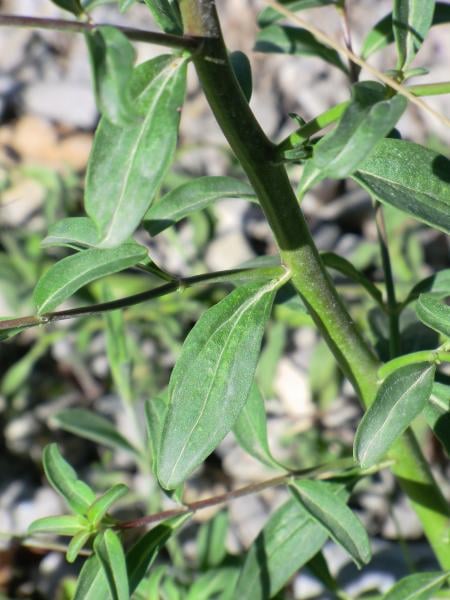
Ovate to lanceolate, rough, hairy, in a basal rosette
🌸 Flowers
Large bright yellow flower heads with a domed brown-black centre
🍎 Fruits
Small dry achene
🌿 Stem and habit
Erect herbaceous stem, coarsely hairy
Distribution, pollinators, uses
🗺️ Distribution
Native to North America; widely grown in France as an ornamental plant
🐝 Value for pollinators
Very nectar-rich flowers, very attractive to bees, butterflies and hoverflies; seeds enjoyed by birds
✂️ Horticultural uses
Very free-flowering bedding plant from late summer to autumn, often grown as a biennial
⚠️ Possible toxicity
No known toxicity
🌿 Other Asteraceae to discover
ℹ️ Educational profile — do not use it to judge whether a plant is edible or safe.
🌱 This database is constantly evolving — species and information are added and corrected regularly. Spotted a mistake? Report it below.
© Floraneo — profile content is protected; reproduction without permission is prohibited. Photos remain under their own licence (see the credit shown on each photo).