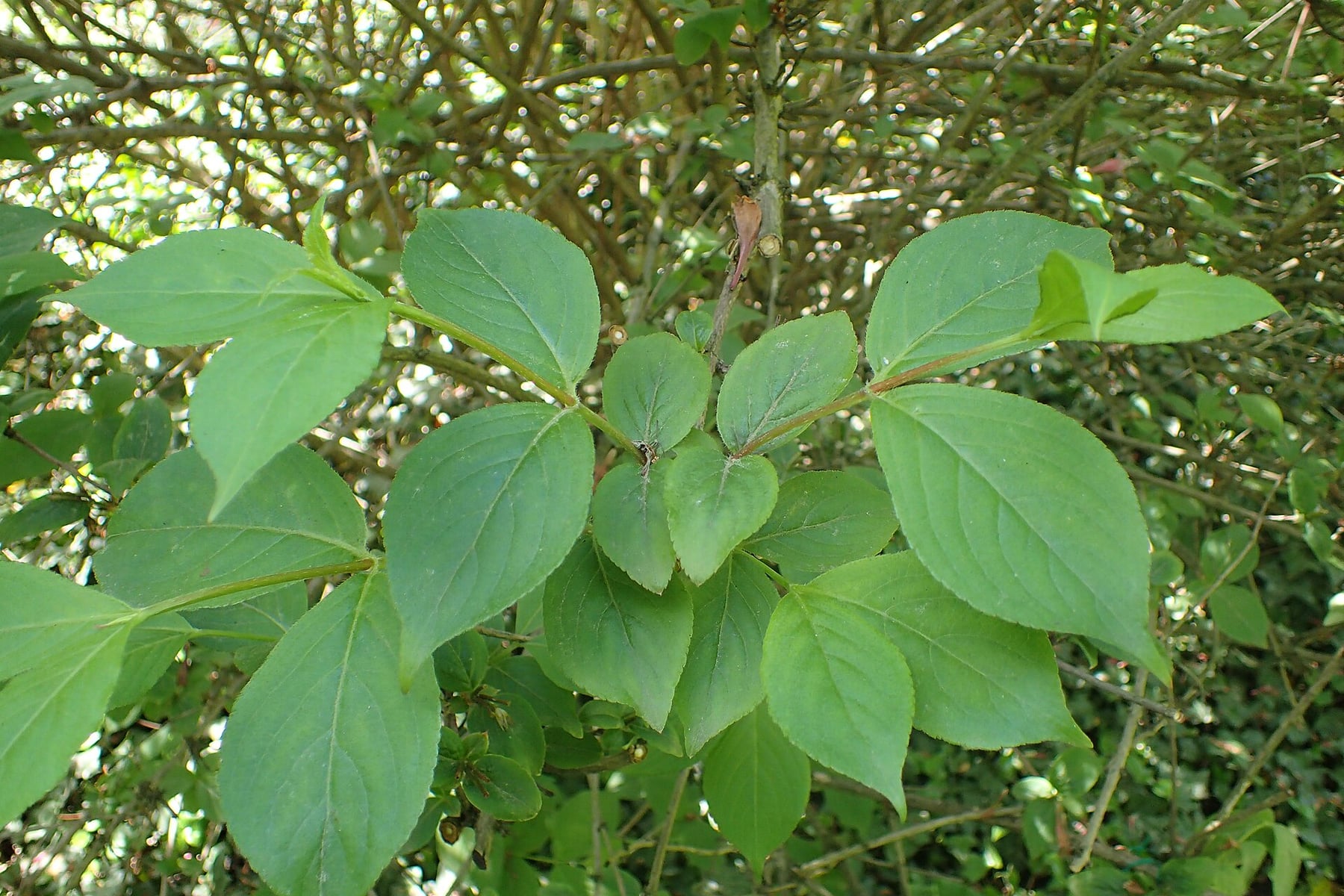
Leaf
Liliane Roubaudi, Tela Botanica · CC BY-SA 2.0

Aaron's beard

Hypericum calycinum L.
Also known as: Creeping St John's wort
Family: Hypericaceae
  • 0.3 to 0.6 m tall
  • Ground cover, banks, light woodland, all soils
  • Full sun, Part shade, Shade
  • Hardy to -20°C

In flower from June to September

4 months

❓ How do you recognise this plant?

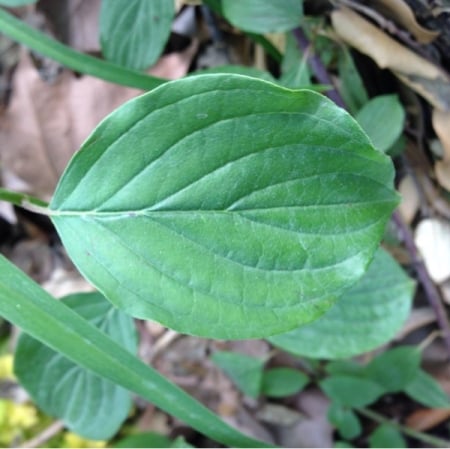
Its low, suckering habit makes it an excellent ground cover for smothering weeds. Aaron's beard is a low subshrub forming a carpet, with large bright yellow flowers and very numerous stamens, whereas perforate St John's wort is a perennial with leaves dotted with tiny translucent spots visible against the light.
Learn to recognise it

Classic flowering shrubs. This plant is in the lesson “Classic flowering shrubs”, with 9 others.

Aaron's beard
Oregon grape
Fly honeysuckle
Weigela
Common dogwood
+5

A free account is enough for this lesson.

🍃 Leaves
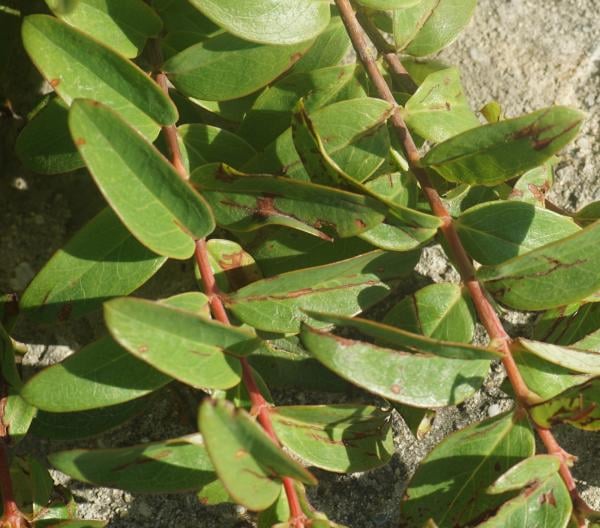
Evergreen or semi-evergreen, ovate, bright green
🌸 Flowers
Large golden-yellow flowers with numerous stamens in a tuft
🍎 Fruits
Small brown capsules
🪵 Bark
Low suckering stems, carpeting habit
Distribution, pollinators, uses
🗺️ Distribution
South-eastern Europe, Asia Minor; widely grown in France as ground cover, sometimes self-seeding.
🐝 Value for pollinators
Large yellow flowers with very numerous stamens, rich in pollen, much visited by bees and bumblebees in summer.
✂️ Horticultural uses
Planted as ground cover for banks and light woodland, tolerates drought and partial shade.

⚠️ Possible toxicity

No notable known toxicity in humans; may cause photosensitisation in animals that eat large quantities.

⚠️ Look-alike species

Aaron's beard
Aaron's beard
Hypericum calycinum
Common St John's wort
Hypericum perforatum

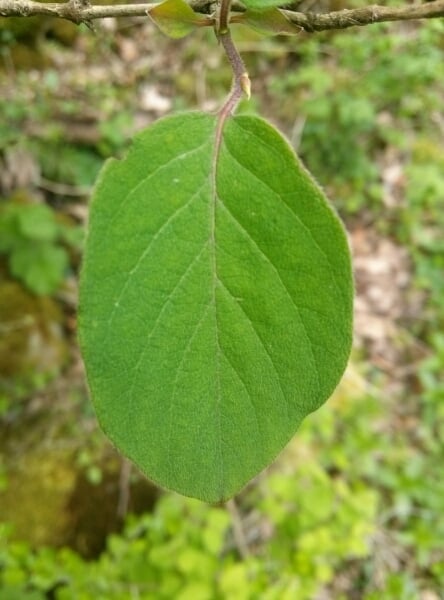
Aaron's beard is a low subshrub forming a carpet, with large bright yellow flowers and very numerous stamens, whereas perforate St John's wort is a perennial with leaves dotted with tiny translucent spots visible against the light.
See the full comparison →

🌿 Other Hypericaceae to discover

ℹ️ Educational profile — do not use it to judge whether a plant is edible or safe.

🌱 This database is constantly evolving — species and information are added and corrected regularly. Spotted a mistake? Report it below.

© Floraneo — profile content is protected; reproduction without permission is prohibited. Photos remain under their own licence (see the credit shown on each photo).