Mugwort or Tarragon: how to tell them apart?
Mugwort and Tarragon look alike and are often mixed up. Here is how to tell them apart, feature by feature, with their photos and the details to look for.
⚡ The quick answer
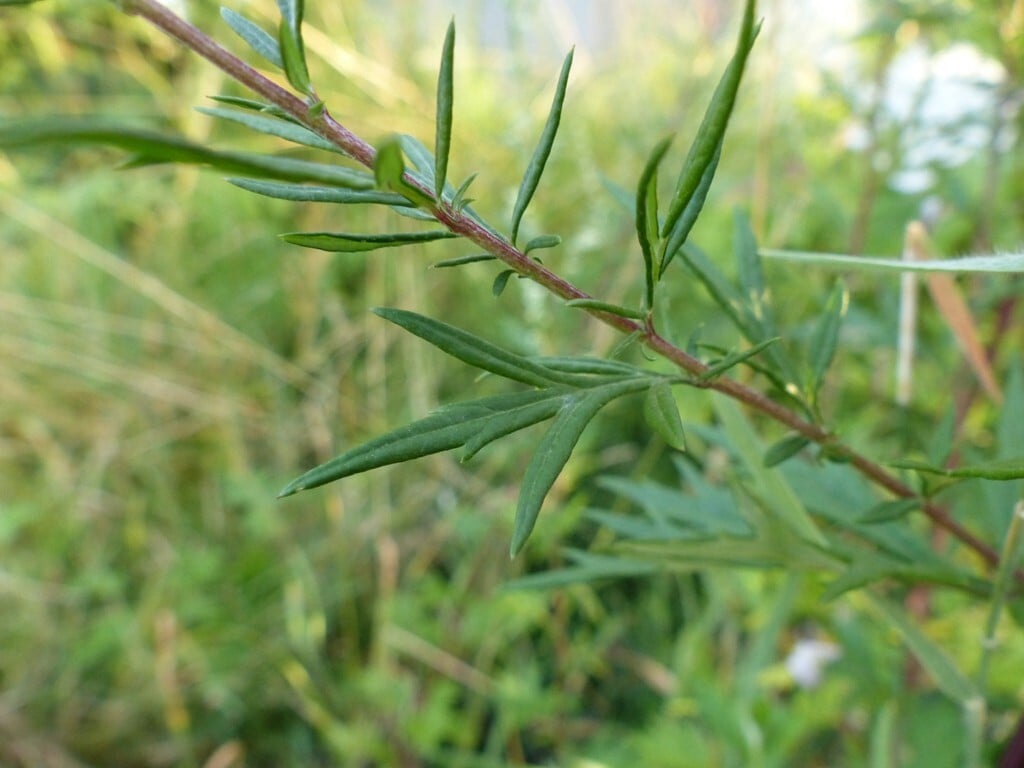
Mugwort
Artemisia vulgaris
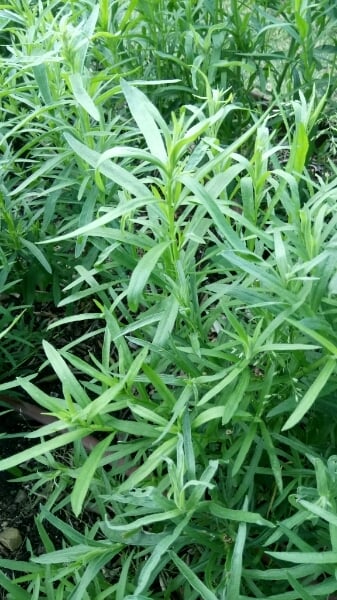
Tarragon
Artemisia dracunculus
Aromatic foliage from the same genus, Artemisia. Tarragon has narrow, smooth leaves with an aniseed scent, whereas mugwort has more deeply cut leaves, downy beneath, with a more acrid smell.
🍃 Leaves
Deeply cut, dark green above, white and felted beneath
Narrow, lanceolate, entire leaves, glossy dark green, highly aromatic
🌸 Flowers
Tiny greenish to reddish flower heads, in long upright spikes
Tiny greenish-yellow capitula, inconspicuous, in panicles
🍎 Fruits
Tiny achenes without a pappus
Tiny achenes, rarely fertile in cultivation (French tarragon is propagated by division)
🪵 Bark
Perennial herbaceous plant with upright stems, often reddish and branched.
Erect, branched stems, sometimes woody at the base
📏 Size
60 cm to 1.5 m
40 to 80 cm tall
🗺️ Habitat
Waste ground, banks, track edges
Vegetable and herb gardens, dry ground
⚠️ Toxicity
Avoid ingesting large quantities; contains notably thujone, a compound whose effects depend on the dose.
Non-toxic at culinary doses; to be consumed in moderation like any plant rich in essential oils.
🔎 And from the Tarragon side
Aromatic foliage of the same genus, Artemisia. Tarragon has narrow, smooth leaves with an aniseed scent, whereas mugwort has more deeply cut leaves, downy beneath, with a more acrid smell.
🌿 Go further
Want to practise spotting these details on real photos? Floraneo offers profiles and quizzes for dozens of look-alike species.
ℹ️ Educational profile — do not use it to judge whether a plant is edible or safe.