Common knapweed or Greater knapweed: how to tell them apart?
Common knapweed and Greater knapweed look alike and are often mixed up. Here is how to tell them apart, feature by feature, with their photos and the details to look for.
⚡ The quick answer
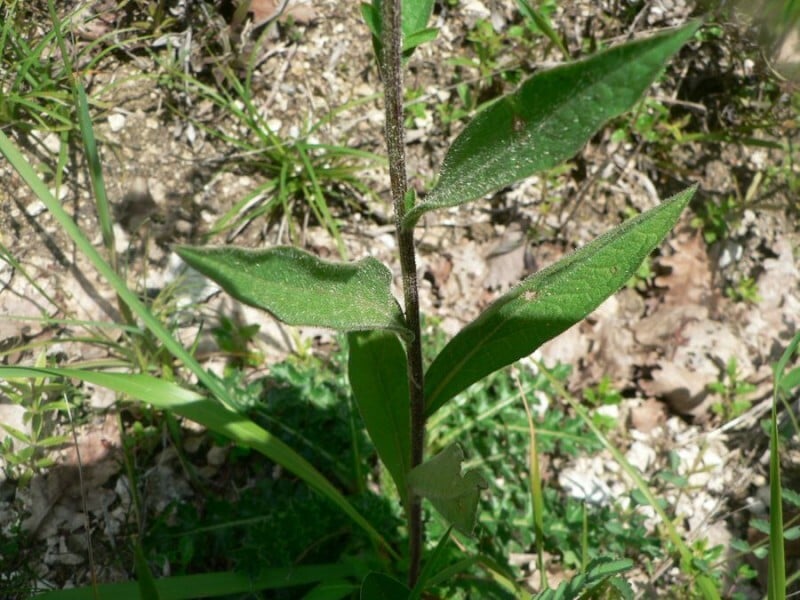
Common knapweed
Centaurea nigra
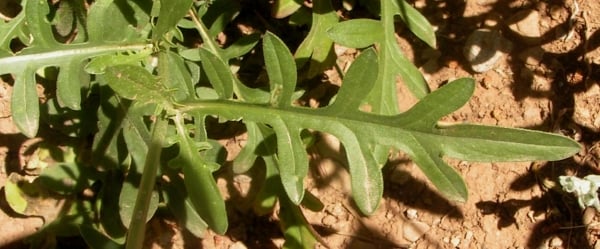
Greater knapweed
Centaurea scabiosa
Greater knapweed has large solitary flower heads with deeply cut outer florets spreading like rays, whereas common knapweed has smaller, rounder flower heads, with an involucre edged with clearly visible brown-black fringes.
🍃 Leaves
Lanceolate, entire to slightly toothed, somewhat rough
Deeply cut into narrow lobes, grey-green
🌸 Flowers
Purple flower head surrounded by blackish fringed bracts
Large pink-purple flower heads with narrow, tapering petals
🍎 Fruits
Achenes topped with a small pappus
Achenes topped with a pappus
🪵 Bark
Upright, rigid herbaceous stem
Upright clump, rigid stems
📏 Size
30 to 80 cm tall
40 cm to 1 m tall
🗺️ Habitat
Meadows, banks, track verges
Dry meadows, banks, gardens, calcareous soils
⚠️ Toxicity
No known toxicity.
No known toxicity.
🔎 And from the Greater knapweed side
Greater knapweed has large solitary flower heads with deeply cut outer florets spreading like rays, whereas common knapweed has smaller, rounder flower heads, with an involucre edged with clearly visible brown-black fringes.
🌿 Go further
Want to practise spotting these details on real photos? Floraneo offers profiles and quizzes for dozens of look-alike species.
ℹ️ Educational profile — do not use it to judge whether a plant is edible or safe.