Common hornbeam or European beech: how to tell them apart?
Common hornbeam and European beech look alike and are often mixed up. Here is how to tell them apart, feature by feature, with their photos and the details to look for.
⚡ The quick answer
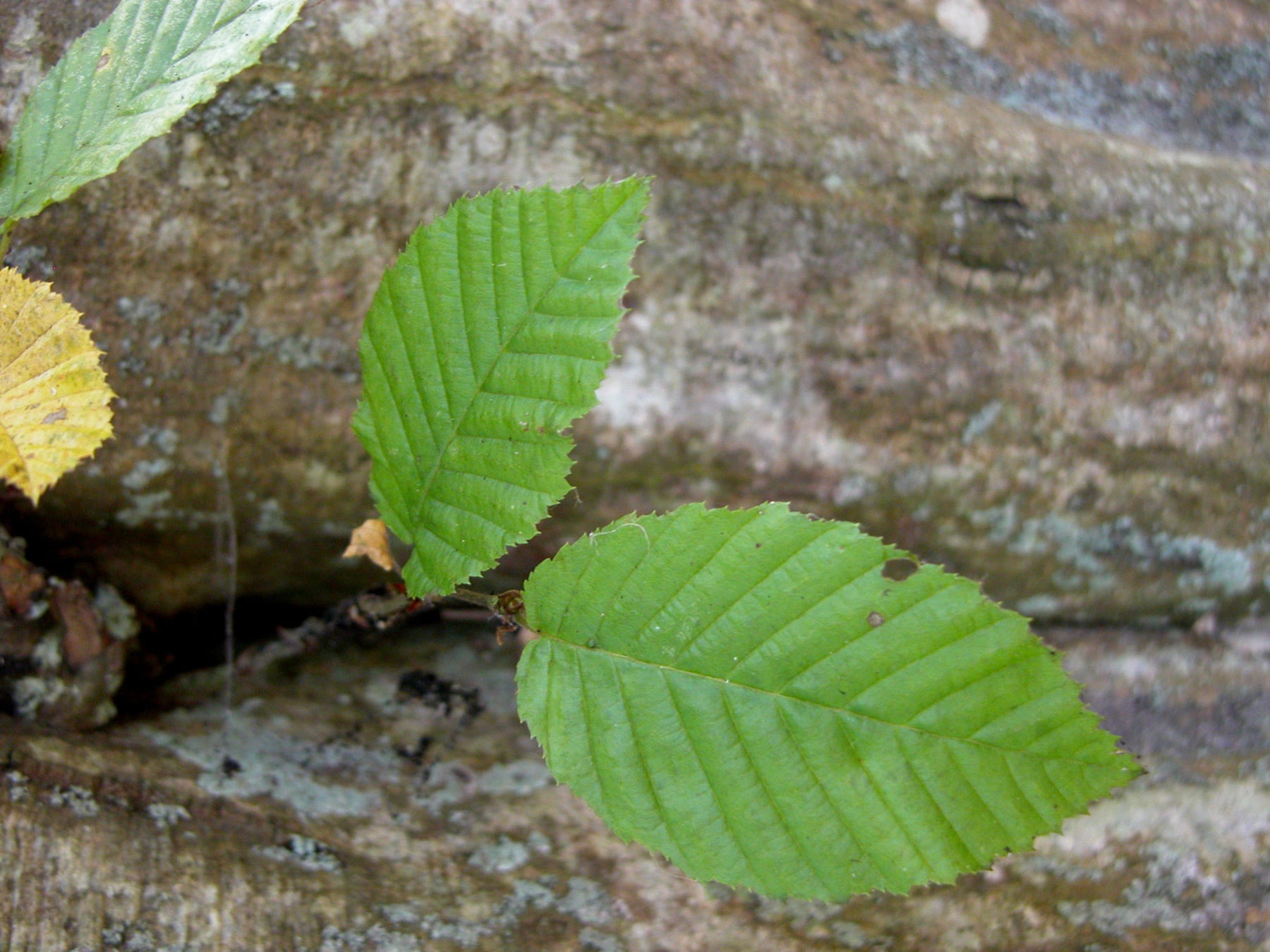
Common hornbeam
Carpinus betulus
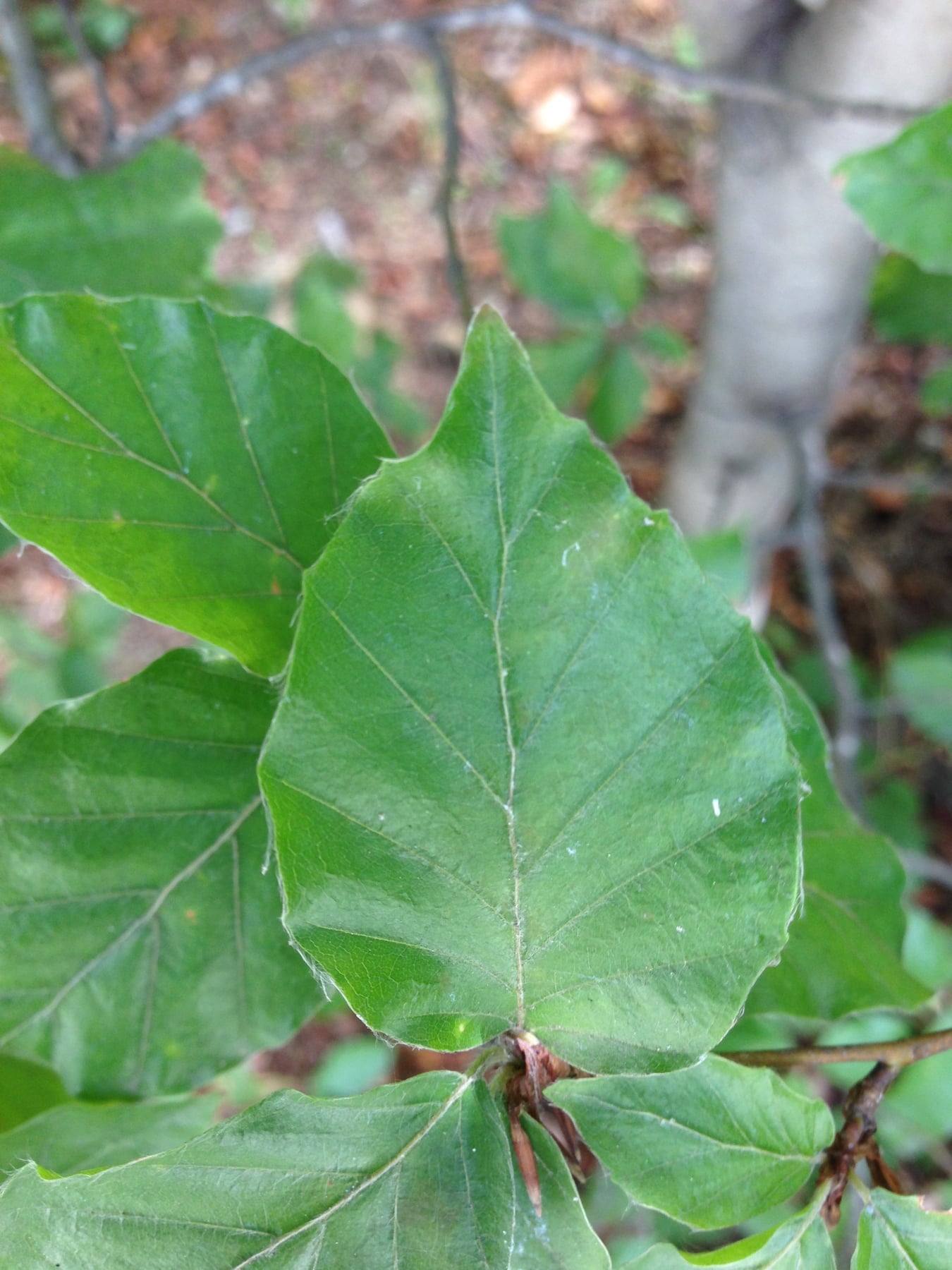
European beech
Fagus sylvatica
Hornbeam: leaf margin distinctly toothed, very prominent veins and fluted grey bark. Beech: margin almost entire to very slightly wavy, with fine hairs on the edge of young leaves, and smooth grey bark. The margin is a particularly useful criterion.
🍃 Leaves
Alternate, ovate to oblong, with many very prominent parallel veins and a doubly toothed margin; the blade is often strongly pleated.
Oval, slightly wavy margin, silky fringe of hairs on the margin when young
🌸 Flowers
Inconspicuous catkins
Pendent male catkins, inconspicuous female flowers
🍎 Fruits
Small achene carried by a three-lobed bract
Beechnuts, triangular achenes in a spiny cupule
🪵 Bark
Grey, smooth but fluted, trunk often twisted
Grey, smooth, remaining smooth even on old trees
📏 Size
15 to 25 m tall
25 to 35 m tall, sometimes more
🗺️ Habitat
Lowland forests, often in the understorey or as a clipped hedge
Lowland and mid-mountain forests
⚠️ Toxicity
No known toxicity
No known toxicity; beechnuts edible in small quantities, mildly toxic raw in large quantities
🔎 And from the European beech side
Beech has leaves with an entire margin, fringed with fine silky hairs clearly visible against the light, and perfectly smooth grey bark; hornbeam has distinctly toothed leaves with a double serration, without hairs on the margin, and grey fluted bark, as if striped in relief.
🌿 Go further
Want to practise spotting these details on real photos? Floraneo offers profiles and quizzes for dozens of look-alike species.
ℹ️ Educational profile — do not use it to judge whether a plant is edible or safe.