Besom heath or Tree heath: how to tell them apart?

Besom heath and Tree heath look alike and are often mixed up. Here is how to tell them apart, feature by feature, with their photos and the details to look for.
⚡ The quick answer
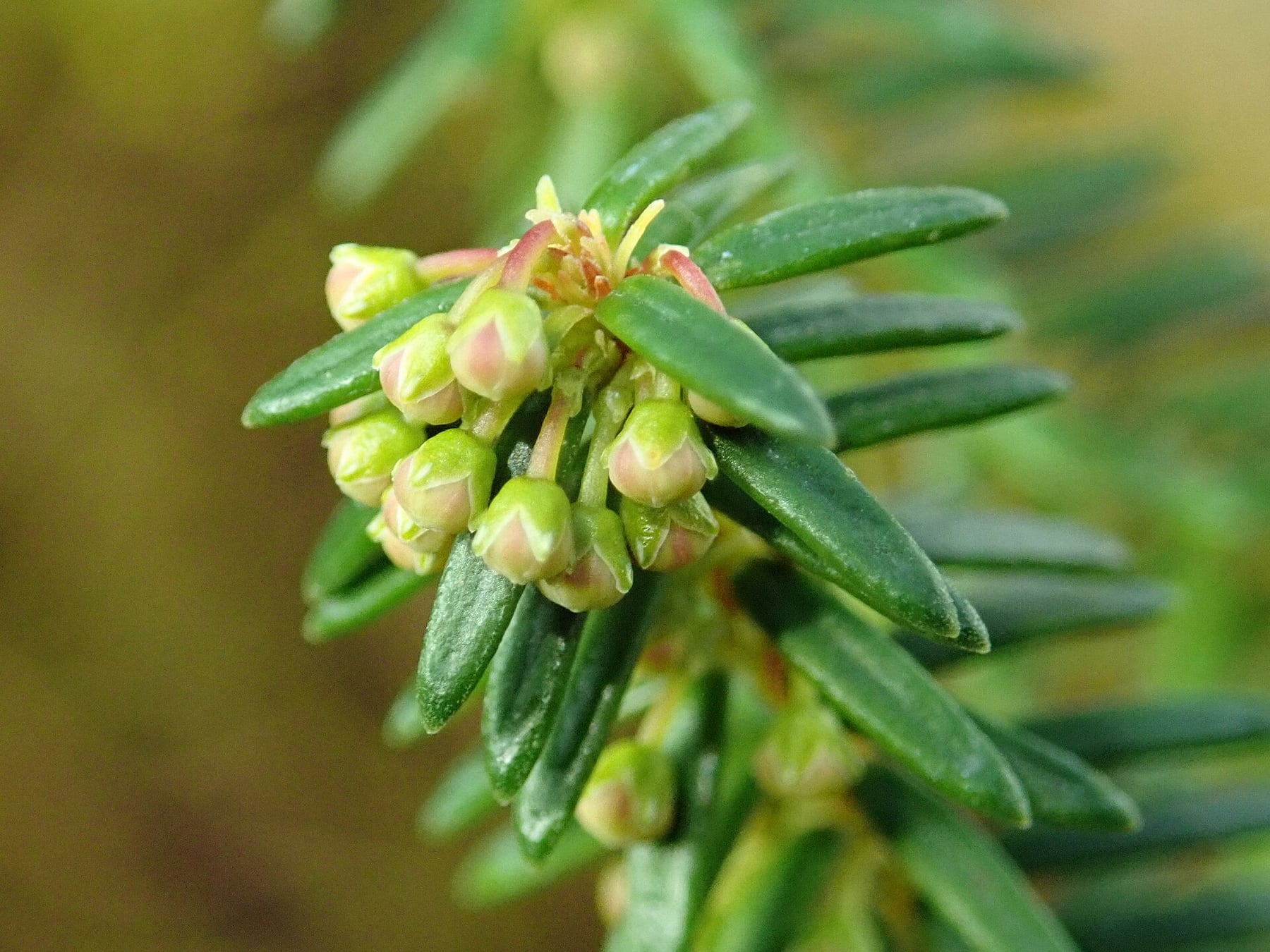
Besom heath
Besom heath
Erica scoparia
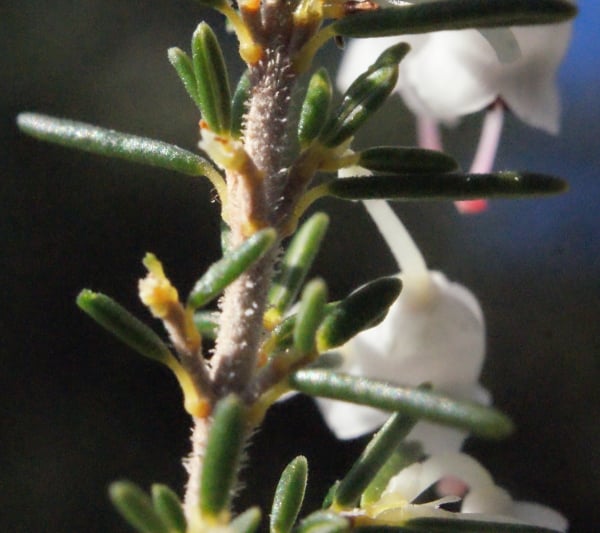
Tree heath
Tree heath
Erica arborea

These two heaths can form an upright shrub of similar outline, sometimes more than a metre tall, which sets them apart from the low heaths of the moors. But besom heath has tiny, barely visible greenish flowers borne in long narrow racemes, whereas tree heath bears numerous small, strongly scented white bells that cover the twigs abundantly — a good clue when both are in flower, less useful outside the flowering season when their outlines look more alike.

🍃 Leaves
Evergreen, very fine, linear, whorled in 3s or 4s, marked with two grooves beneath.
Evergreen, very fine needles in whorls, dark green
🌸 Flowers
Tiny greenish bells, barely visible, borne in long narrow racemes at the ends of the shoots.
Tiny scented white bells in great numbers
🍎 Fruits
Small dry capsules.
Small dry capsules
🪵 Bark
Slender, upright, hairless stems and twigs, forming a shrub with a narrow outline close to that of tree heath.
Reddish-brown bark peeling in strips, very hard root burl
📏 Size
40 cm to 2 m tall, sometimes more
1 to 3 m tall, sometimes more in the Mediterranean region
🗺️ Habitat
Heaths, open woods and maquis on siliceous soils
Garrigue, heaths, dry gardens, acid soils
⚠️ Toxicity
No known toxicity.
No known toxicity.
🔎 And from the Tree heath side
These two heaths can form an upright shrub of similar outline, sometimes more than a metre tall. But tree heath bears numerous small, strongly scented white bells that cover the twigs abundantly, whereas besom heath has tiny, barely visible greenish flowers borne in long narrow racemes — a good clue when both are in flower, less useful outside the flowering season when their outlines look more alike.
🌿 Go further

Want to practise spotting these details on real photos? Floraneo offers profiles and quizzes for dozens of look-alike species.

ℹ️ Educational profile — do not use it to judge whether a plant is edible or safe.