Globe artichoke or Cardoon: how to tell them apart?
Globe artichoke and Cardoon look alike and are often mixed up. Here is how to tell them apart, feature by feature, with their photos and the details to look for.
⚡ The quick answer
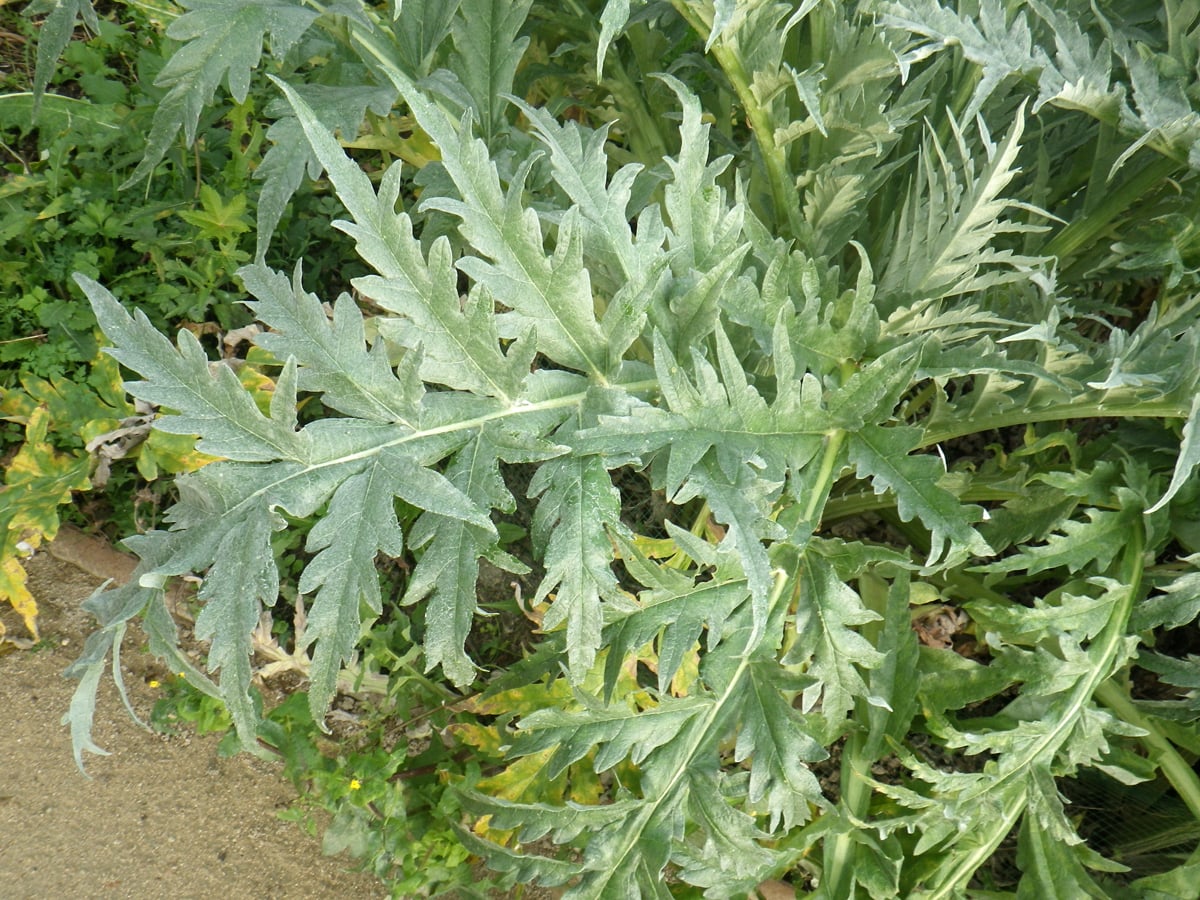
Globe artichoke
Cynara scolymus
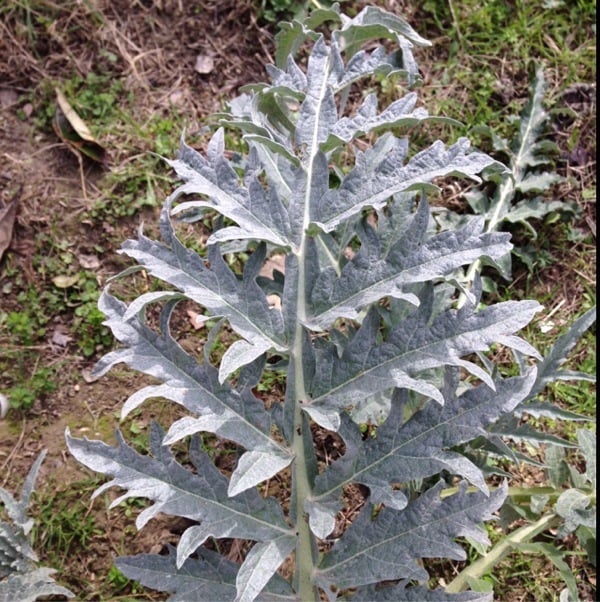
Cardoon
Cynara cardunculus
Cardoon and globe artichoke are the same botanical species selected in different ways: cardoon for its fleshy stalks, artichoke for its large, still-closed flower head.
🍃 Leaves
Large, deeply cut, grey-green, spiny or not depending on the variety
Very large, deeply cut, silvery, often spiny, forming an imposing clump (stalks eaten)
🌸 Flowers
Large blue-violet flower head inside a fleshy involucre of scales
Large violet-blue flower head, similar to that of the globe artichoke but less fleshy
🍎 Fruits
Achene topped with a silky pappus
Achene topped with a silky pappus
🪵 Bark
Large perennial herbaceous plant forming a rosette of large leaves.
Thick, ribbed stem, forming broad fleshy stalks at the base of the leaves
📏 Size
1 to 1.5 m tall
1.5 to 2 m tall
🗺️ Habitat
Grown in vegetable gardens, rich well-drained soils
Grown in vegetable gardens, rich deep soils
⚠️ Toxicity
Immature flower head edible; no known toxicity
Stalks edible after blanching; no known toxicity
🔎 And from the Cardoon side
Cardoon and globe artichoke are the same botanical species selected differently: cardoon for its fleshy stalks, globe artichoke for its large, still-closed flower head.
🌿 Go further
Want to practise spotting these details on real photos? Floraneo offers profiles and quizzes for dozens of look-alike species.
ℹ️ Educational profile — do not use it to judge whether a plant is edible or safe.