European larch or Japanese larch: how to tell them apart?
European larch and Japanese larch look alike and are often mixed up. Here is how to tell them apart, feature by feature, with their photos and the details to look for.
⚡ The quick answer
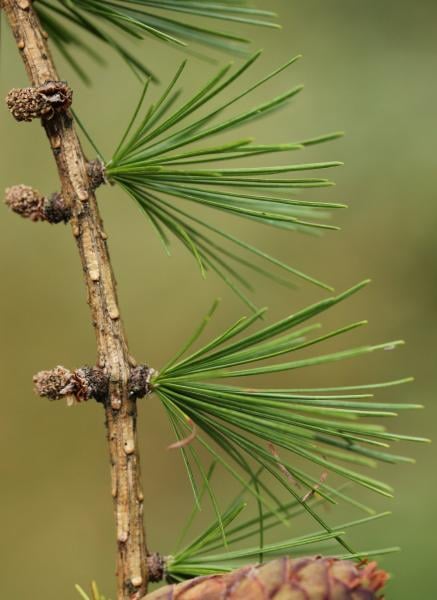
European larch
Larix decidua
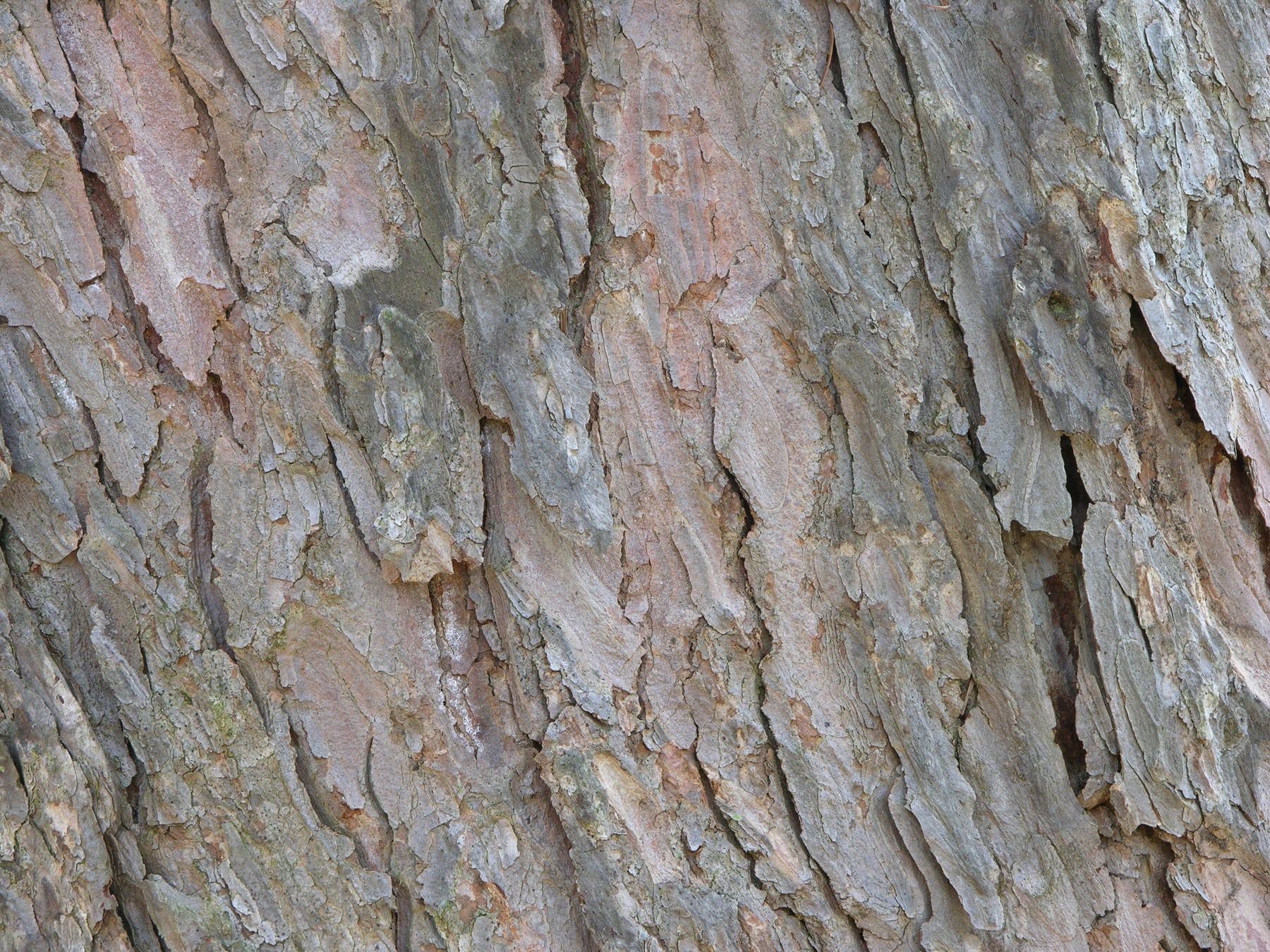
Japanese larch
Larix kaempferi
European larch looks very much like Japanese larch (deciduous needles in tufts, conical outline) — the best clue is the cone: its scales stay rounded and pressed flat, whereas those of Japanese larch have the upper edge curled outwards, forming a rosette. The young twigs of Japanese larch are also more distinctly bronze-orange.
🍃 Leaves
Soft needles in small tufts, bright green, deciduous (shed every autumn)
Soft needles in tufts, slightly bluer green than European larch, deciduous, turning yellow in autumn.
🌸 Flowers
Small yellowish male cones and upright reddish female cones, distinct and discreet
Small male cones and reddish to pinkish female cones, discreet, appearing before the needles.
🍎 Fruits
Small ovoid brown cone with rounded scales, persisting on the tree for several years
Small ovoid cone whose scales have the upper edge distinctly curled outwards, rosette-shaped — unlike the rounded, flat-pressed scales of European larch.
🪵 Bark
Grey to reddish-brown, thick, cracking into broad plates with age
Scaly, reddish-brown to orange; the current year's young twigs are distinctly bronze to orange.
📏 Size
20 to 40 m tall
30 to 35 m tall
🗺️ Habitat
Montane and subalpine zones of the Alps, well-drained soils
Planted for reforestation and as specimen trees in parks; native to the mountains of central Japan.
⚠️ Toxicity
No known toxicity
No known toxicity
🔎 And from the Japanese larch side
Japanese larch looks very much like European larch (deciduous needles in tufts, conical outline) — the best clue is the cone: its scales have the upper edge curled outwards, forming a rosette, whereas those of European larch stay rounded and pressed flat. The young twigs of Japanese larch are also more distinctly bronze-orange.
🌿 Go further
Want to practise spotting these details on real photos? Floraneo offers profiles and quizzes for dozens of look-alike species.
ℹ️ Educational profile — do not use it to judge whether a plant is edible or safe.