Leaf
Genevieve Botti, Tela Botanica · CC BY-SA 2.0
Sage-leaved rock rose
Cistus salviifolius L.
Also known as: Sage-leaved cistus, Salvia cistus
Family: Cistaceae
0.3 to 1 m tall
Garrigue, dry banks, rock gardens, poor soils
Flowering: April – June
Full sun
Hardy to -12°C
❓ How do you recognise this plant?
Its low, spreading habit makes it an excellent ground cover for dry, sunny banks. Montpelier cistus has narrow, lanceolate leaves, sticky to the touch, whereas the sage-leaved rock rose has ovate, wrinkled, greyish leaves, recalling those of sage.
🍃 Leaves
Evergreen, ovate, puckered like sage, greyish green, downy
🌸 Flowers
White flowers with a yellow centre, crumpled petals
🍎 Fruits
Small brown capsules
🪵 Bark
Much-branched woody subshrub, with greyish twigs.
🗺️ Distribution
Mediterranean rim; common in the maquis and garrigue of southern France on siliceous soil.
🐝 Value for pollinators
White flowers with a yellow centre rich in pollen, much visited by wild and honey bees in the morning.
✂️ Horticultural uses
Planted as ground cover or in a Mediterranean rock garden, drought-resistant.
⚠️ Possible toxicity
No known toxicity.
⚠️ Look-alike species
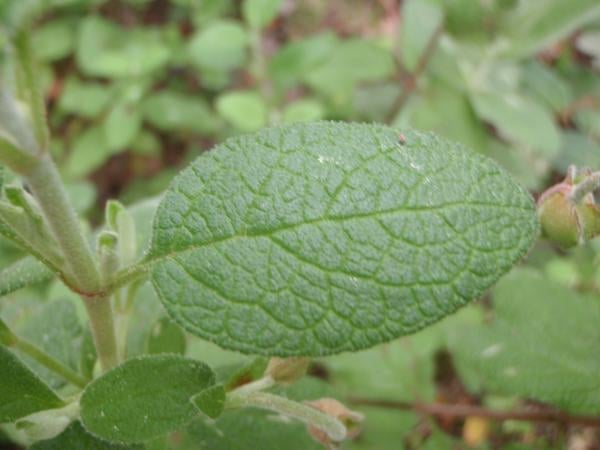
Sage-leaved rock rose
Cistus salviifolius
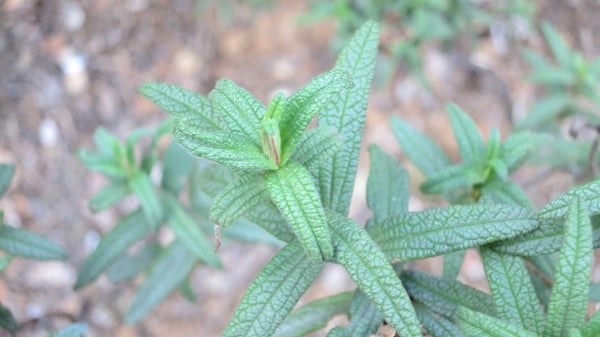
Montpelier cistus
Cistus monspeliensis
Montpelier cistus has narrow, lanceolate leaves, sticky to the touch, whereas the sage-leaved rock rose has ovate, wrinkled, greyish leaves, recalling those of sage.
🌿 Other Cistaceae to discover

ℹ️ Educational profile — do not use it to judge whether a plant is edible or safe.
🌱 This database is constantly evolving — species and information are added and corrected regularly. Spotted a mistake? Report it below.
© Floraneo — profile content is protected; reproduction without permission is prohibited. Photos remain under their own licence (see the credit shown on each photo).