Leaf
Agnieszka Kwiecień, Nova, Wikimedia · CC BY-SA 4.0
Japanese angelica tree
Aralia elata (Miq.) Seem.
Family: Araliaceae
- 3 to 6 m tall
- Borders and specimen planting, moist soil; planted for its architectural silhouette and spectacular foliage
- Full sun, Part shade
- Hardy to about -20°C
In flower from August to September
2 months❓ How do you recognise this plant?
Its huge compound leaves, among the largest of any hardy shrub in Europe, give it an almost tropical silhouette despite a cold tolerance that far exceeds that of true exotic shrubs.
Learn to recognise it
Exotic and Mediterranean shrubs. This plant is in the lesson “Exotic and Mediterranean shrubs”, with 9 others.

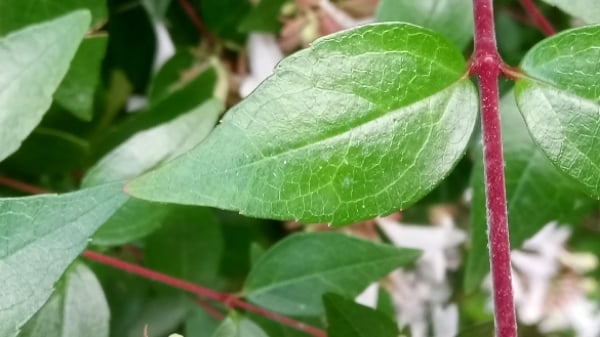
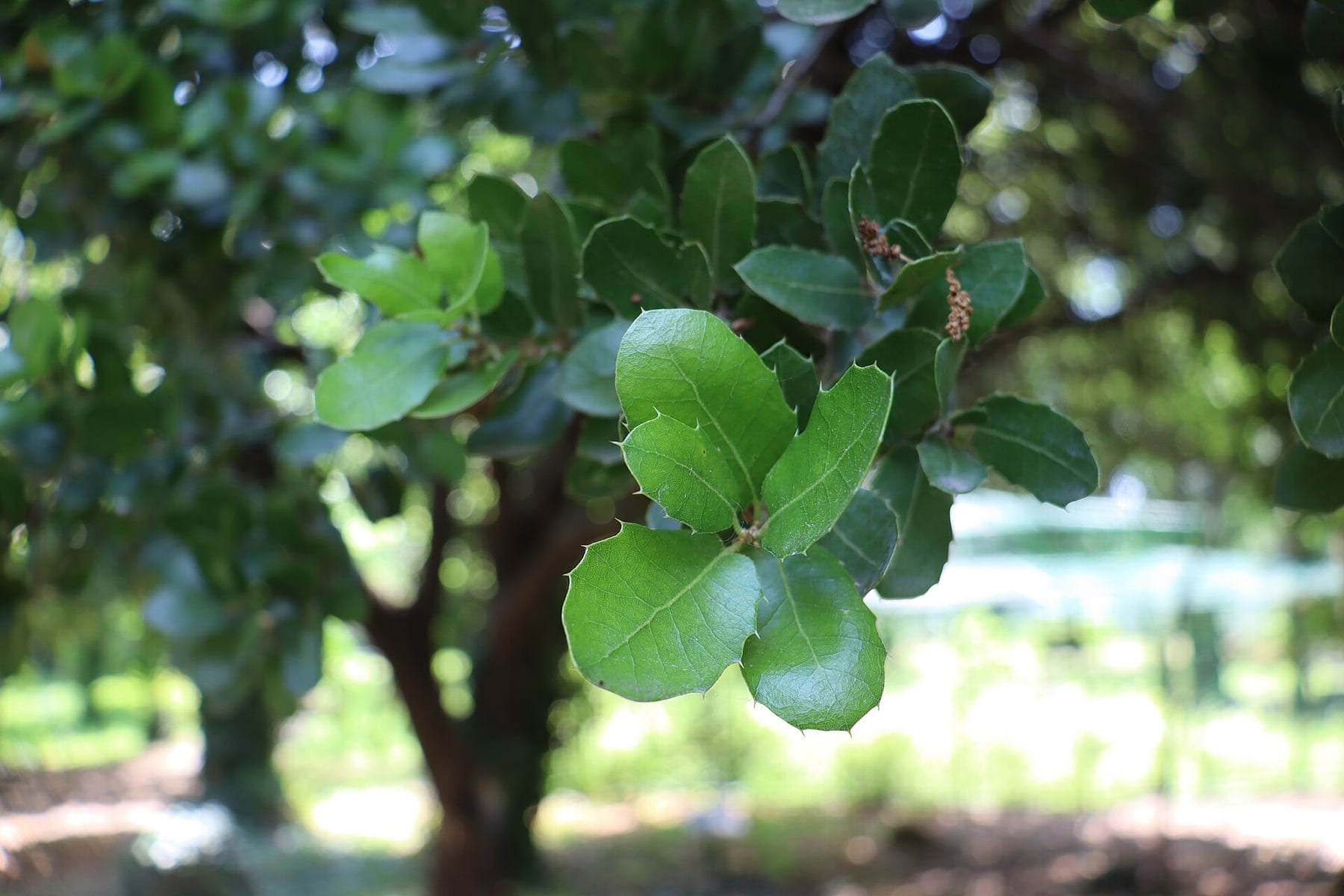
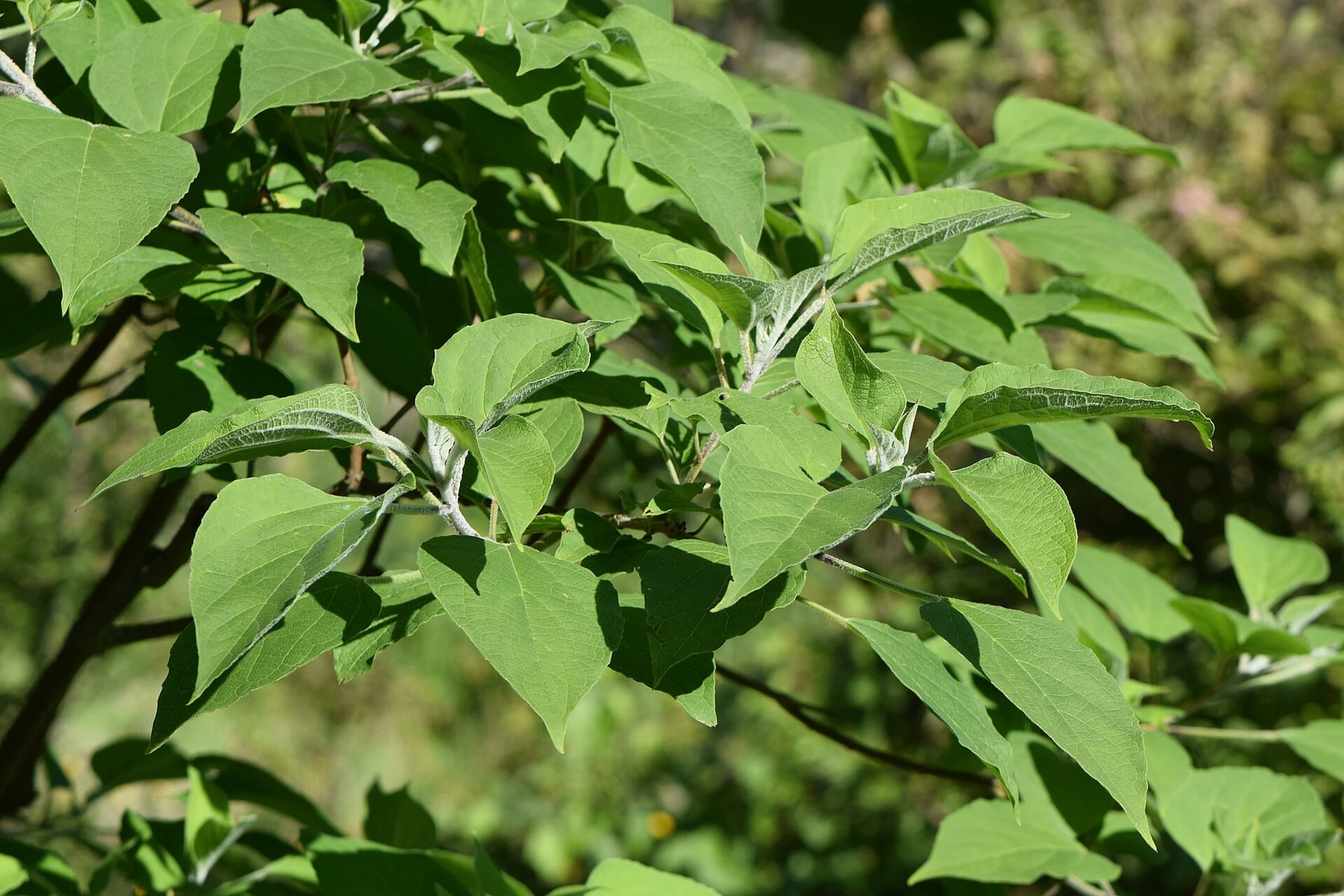

🍃 Leaves
Deciduous, bipinnate, very large (up to 1 m), grouped at the top of the stems, fine autumn colour from yellow-orange to purple
🌸 Flowers
White, in very large terminal panicles
🍎 Fruits
Small black berries in drooping clusters in autumn
🪵 Bark
Upright, sparsely branched stems covered with prickles
Distribution, pollinators, uses
🗺️ Distribution
Native to East Asia (Japan, China, Korea, Russian Far East)
🐝 Value for pollinators
Late summer flowering, very nectar-rich, visited by many foraging insects
✂️ Horticultural uses
Planted as a specimen for its spectacular architecture, variegated cultivars much sought after
⚠️ Possible toxicity
Not documented as toxic
🌿 Other Araliaceae to discover


ℹ️ Educational profile — do not use it to judge whether a plant is edible or safe.
🌱 This database is constantly evolving — species and information are added and corrected regularly. Spotted a mistake? Report it below.
© Floraneo — profile content is protected; reproduction without permission is prohibited. Photos remain under their own licence (see the credit shown on each photo).