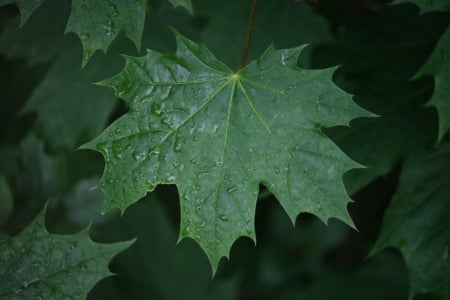
Leaf
Abraham, Wikimedia · CC BY-SA 4.0
Indian bean tree
Catalpa bignonioides Walter
Also known as: Common catalpa, Southern catalpa, Cigar tree
Family: Bignoniaceae
- 10 to 15 m tall
- Planted as a specimen in parks, gardens and urban avenues
- Full sun
- Hardy, to about -20°C
In flower from June to July
2 months❓ How do you recognise this plant?
The Indian bean tree owes its name to its long, cylindrical, pendulous pods, which can reach 40 cm in length and stay on the tree long after the leaves have fallen.
Learn to recognise it
City trees and remarkable trees. This plant is in the lesson “City trees and remarkable trees”, with 11 others.



Free, no account needed.
🍃 Leaves
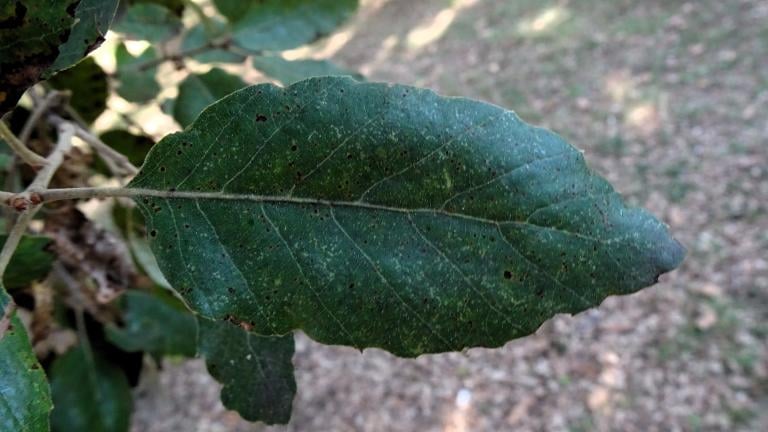
Deciduous, very large, heart-shaped, opposite or whorled
🌸 Flowers
White, spotted with yellow and purple inside, grouped in large upright panicles
🍎 Fruits
Long cylindrical pendulous pod, resembling a giant bean, persisting through winter
🪵 Bark
Grey, flaking in thin plates
Distribution, pollinators, uses
🗺️ Distribution
Native to the south-eastern United States; widely planted in France as an urban ornamental
🐝 Value for pollinators
Large panicles rich in nectar, very attractive to bees in summer
✂️ Horticultural uses
Ornamental tree planted for its giant foliage, spectacular flowering and long decorative pods
⚠️ Possible toxicity
No notable toxicity known
🌱 Known cultivars
'Aurea'
The cultivar 'Aurea' has golden to yellow-green foliage, much brighter than the bright green of the species, particularly noticeable in spring on the young leaves.
🌿 Other Bignoniaceae to discover


ℹ️ Educational profile — do not use it to judge whether a plant is edible or safe.
🌱 This database is constantly evolving — species and information are added and corrected regularly. Spotted a mistake? Report it below.
© Floraneo — profile content is protected; reproduction without permission is prohibited. Photos remain under their own licence (see the credit shown on each photo).