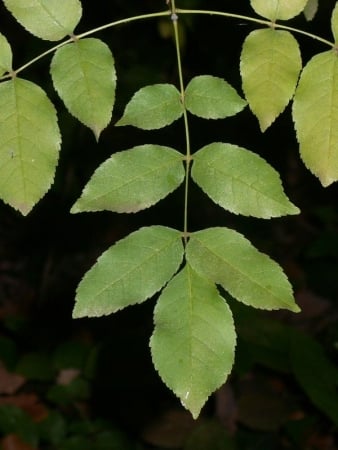
Leaf
Agnieszka Kwiecień, wikimedia · CC BY-SA 4.0
Handkerchief tree
Davidia involucrata Baill.
Also known as: Dove tree, Ghost tree
Family: Nyssaceae
- 10 to 20 m tall
- Planted as a specimen, cool, deep, well-drained soils
- Full sun, Part shade
- Hardy, to about -20°C, often takes several years to flower for the first time
In flower in May
1 monthSee what flowers in:May ›
❓ How do you recognise this plant?
The large white bracts of the handkerchief tree are not petals but modified leaves surrounding a tiny inflorescence — their swaying in the wind made this Chinese tree extremely sought after by Western collectors from its discovery in the 19th century.
Learn to recognise it
Trees for experts. This plant is in the lesson “Trees for experts”, with 11 others.


A free account is enough for this lesson.
🍃 Leaves
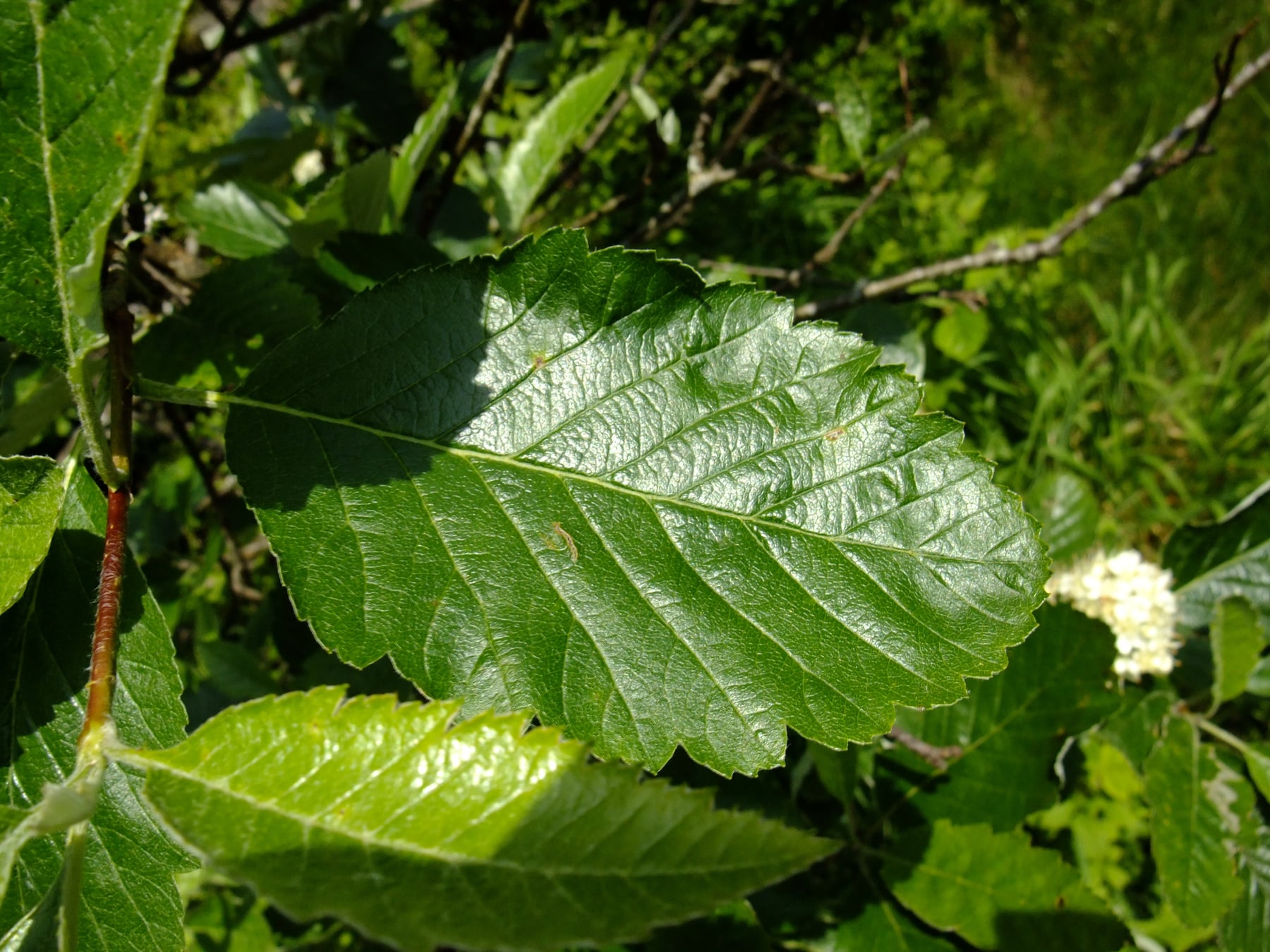
Deciduous, heart-shaped, toothed, slightly downy
🌸 Flowers
Small globular inflorescence surrounded by two large unequal white bracts, evoking hanging handkerchiefs
🍎 Fruits
Large green drupe with a very hard stone, falling in autumn
🪵 Bark
Greyish-brown, flaking into scales with age
Distribution, pollinators, uses
🗺️ Distribution
Native to central China; planted in France as a rare collector's ornamental tree
🐝 Value for pollinators
Flowers inconspicuous but the large white bracts visually attract many pollinating insects
✂️ Horticultural uses
Rare and spectacular ornamental tree, planted for its huge white bracts that seem to float in the tree like handkerchiefs in the wind
⚠️ Possible toxicity
No notable toxicity known
🌿 Other Nyssaceae to discover
ℹ️ Educational profile — do not use it to judge whether a plant is edible or safe.
🌱 This database is constantly evolving — species and information are added and corrected regularly. Spotted a mistake? Report it below.
© Floraneo — profile content is protected; reproduction without permission is prohibited. Photos remain under their own licence (see the credit shown on each photo).