Leaf
Liliane Roubaudi, Tela Botanica · CC BY-SA 2.0
French tamarisk
Tamarix gallica L.
Also known as: Tamarisk, Salt cedar
Family: Tamaricaceae
- 2 to 5 m tall
- Seaside, windbreak hedges, gardens, even salty soils
- Full sun
- Hardy to -15°C
In flower from May to September
5 months❓ How do you recognise this plant?
Its exceptional tolerance of salt and sea spray makes it one of the few shrubs able to grow right on the seafront.
Learn to recognise it
Wild roses and assorted shrubs. This plant is in the lesson “Wild roses and assorted shrubs”, with 8 others.

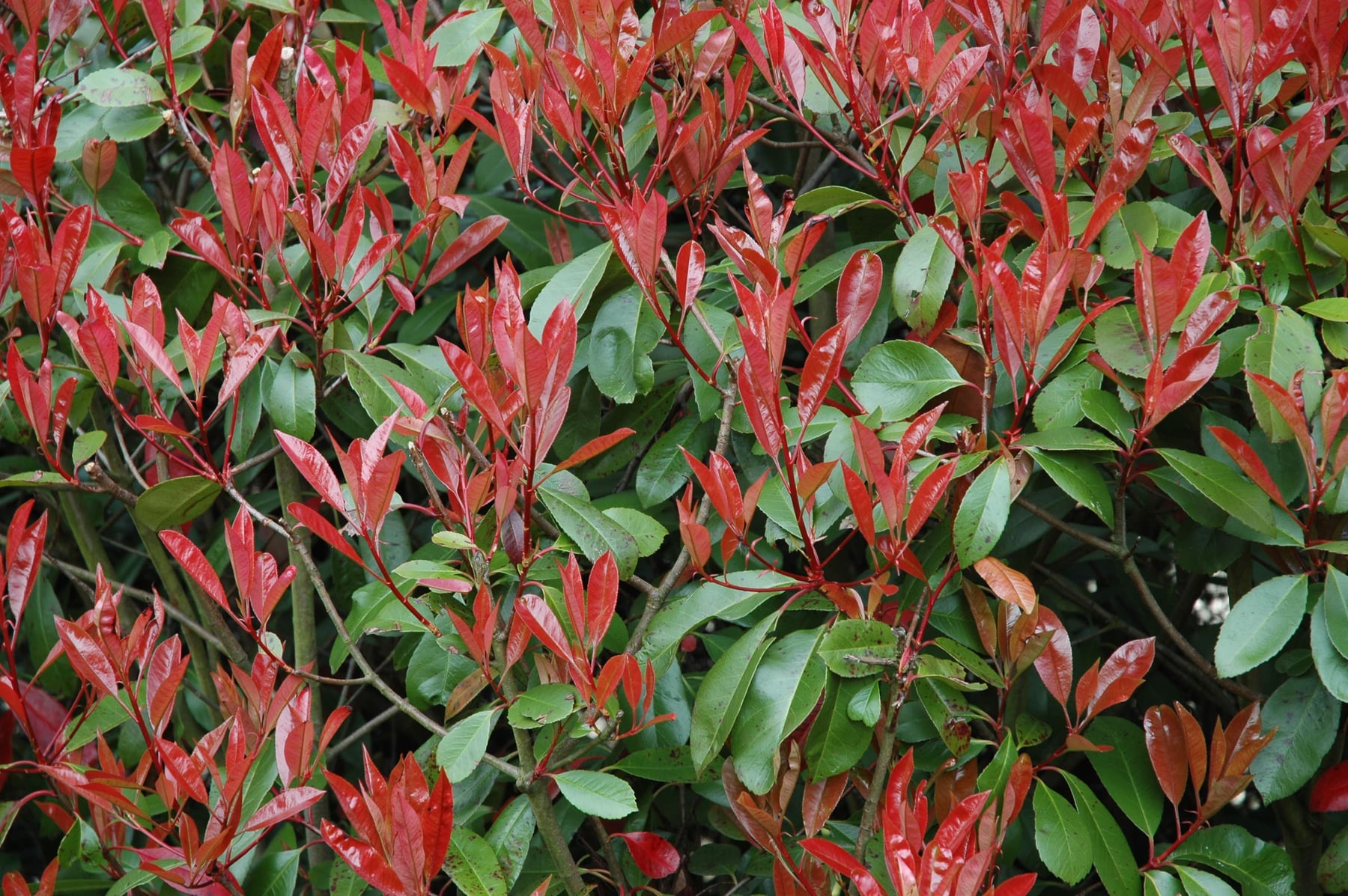
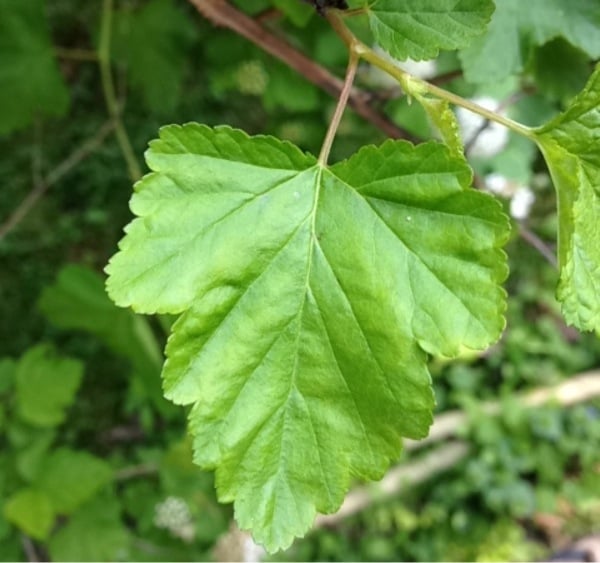
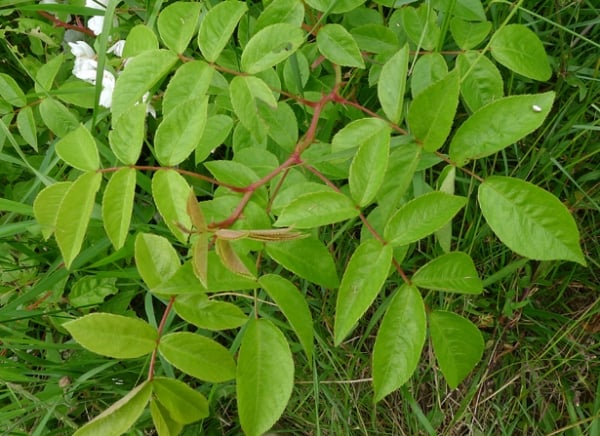
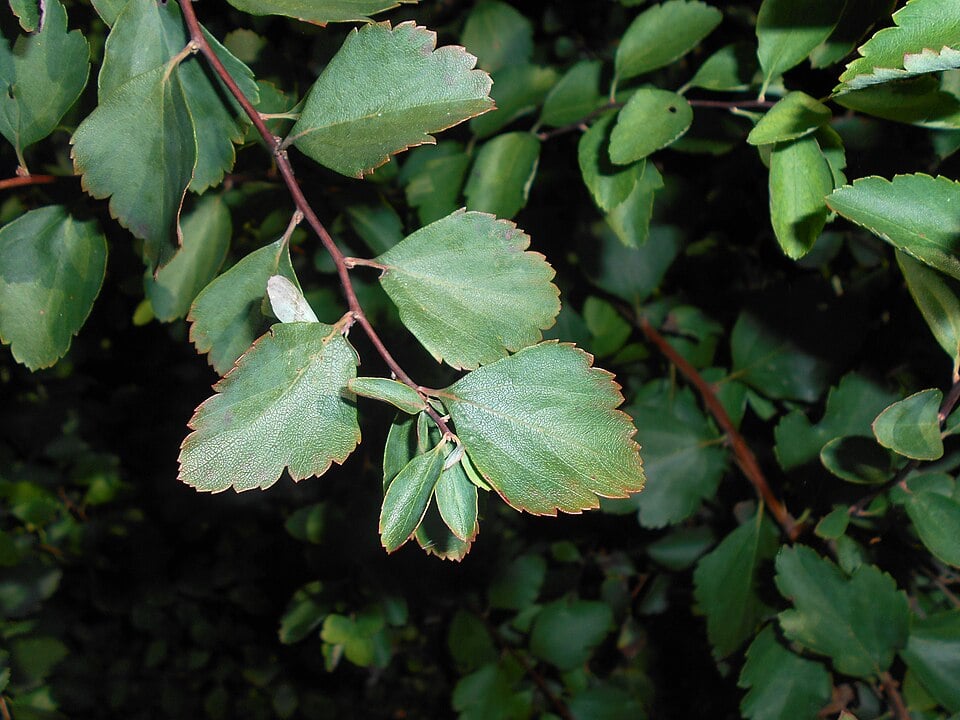
🍃 Leaves
Evergreen, minute blue-green scales, feathery, covering fine twigs
🌸 Flowers
Small feathery pale pink spikes, very abundant
🍎 Fruits
Small dry capsules
🪵 Bark
Red-brown bark, very fine, supple twigs
Distribution, pollinators, uses
🗺️ Distribution
Western and southern Europe (Atlantic and Mediterranean coasts); common on the French coast, tolerating sea spray and salty soils.
🐝 Value for pollinators
Long feathery pink clusters very rich in nectar in summer, heavily visited by bees.
✂️ Horticultural uses
Planted as a windbreak hedge on the coast for its tolerance of salt and wind.
⚠️ Possible toxicity
No known toxicity.
ℹ️ Educational profile — do not use it to judge whether a plant is edible or safe.
🌱 This database is constantly evolving — species and information are added and corrected regularly. Spotted a mistake? Report it below.
© Floraneo — profile content is protected; reproduction without permission is prohibited. Photos remain under their own licence (see the credit shown on each photo).