Leaf
Marie Portas, Tela Botanica · CC BY-SA 2.0
- 1.5 to 4 m tall
- Banks, marshes, reedbeds, wetlands
- Full sun, Part shade
- Very hardy, to -28°C
In flower from August to October
3 months❓ How do you recognise this plant?
Can exceed 3 metres in height — the tallest grass of our wetlands.
Learn to recognise it
Pond and bankside plants. This plant is in the lesson “Pond and bankside plants”, with 10 others.

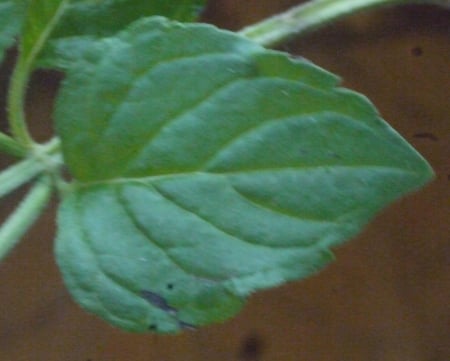
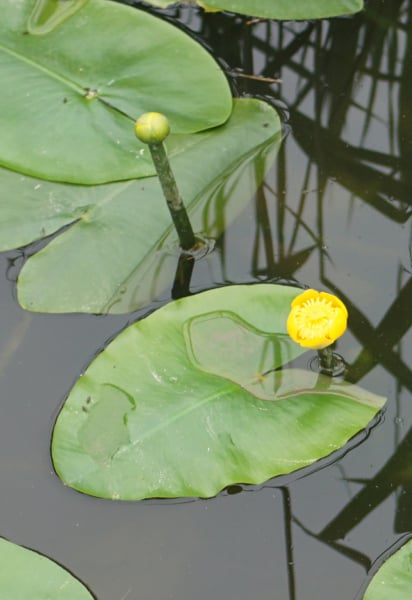
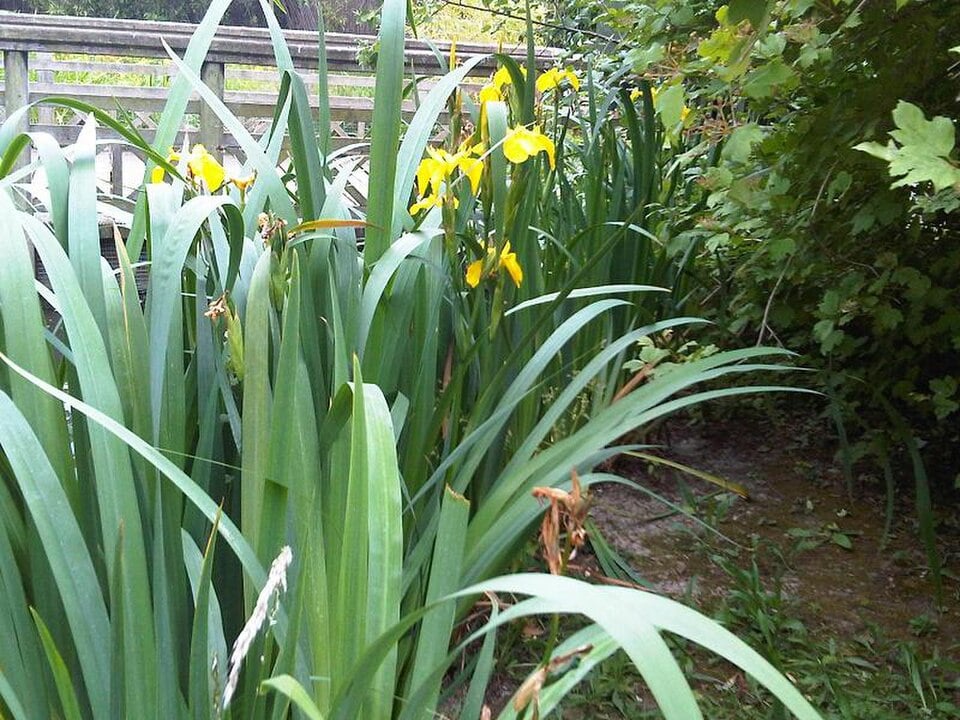
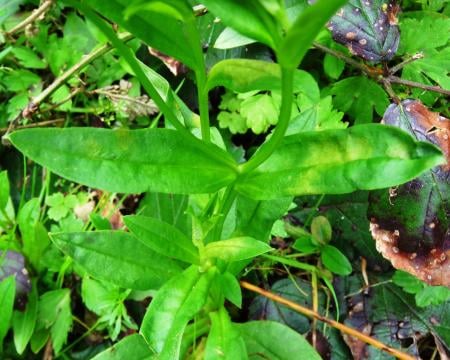
🍃 Leaves
Broad, ribbon-like, arranged in two ranks along tall stems
🌸 Flowers
Large brown-violet panicle becoming feathery and silvery in autumn
🍎 Fruits
Tiny grains borne on silky hairs
🌿 Stem and habit
Hollow, rigid stems forming vast reedbeds
Distribution, pollinators, uses
🗺️ Distribution
Cosmopolitan; very common in France along the edges of ponds, marshes and wetlands
🐝 Value for pollinators
Wind-pollinated, of little interest to pollinators, but an important habitat for wetland wildlife
✂️ Horticultural uses
Used for reed-bed wastewater treatment and bank stabilisation, sometimes invasive in wetlands
⚠️ Possible toxicity
No known toxicity
🌿 Other Poaceae to discover
ℹ️ Educational profile — do not use it to judge whether a plant is edible or safe.
🌱 This database is constantly evolving — species and information are added and corrected regularly. Spotted a mistake? Report it below.
© Floraneo — profile content is protected; reproduction without permission is prohibited. Photos remain under their own licence (see the credit shown on each photo).