Leaf
Stefan.lefnaer, Wikimedia · CC BY-SA 4.0
Bracken
Pteridium aquilinum (L.) Kuhn
Also known as: Eagle fern
Family: Dennstaedtiaceae
- 50 cm to 1.5 m, sometimes more
- Heathland, open woodland, forest clearings on acid soil
- Flowering: Does not flower — reproduces by spores
- Full sun, Part shade, Shade
- Very hardy, to -20°C
❓ How do you recognise this plant?
Often the most invasive fern of woodland, forming vast carpets thanks to its creeping rhizome.
Learn to recognise it
Ferns. This plant is in the lesson “Ferns”, with 6 others.
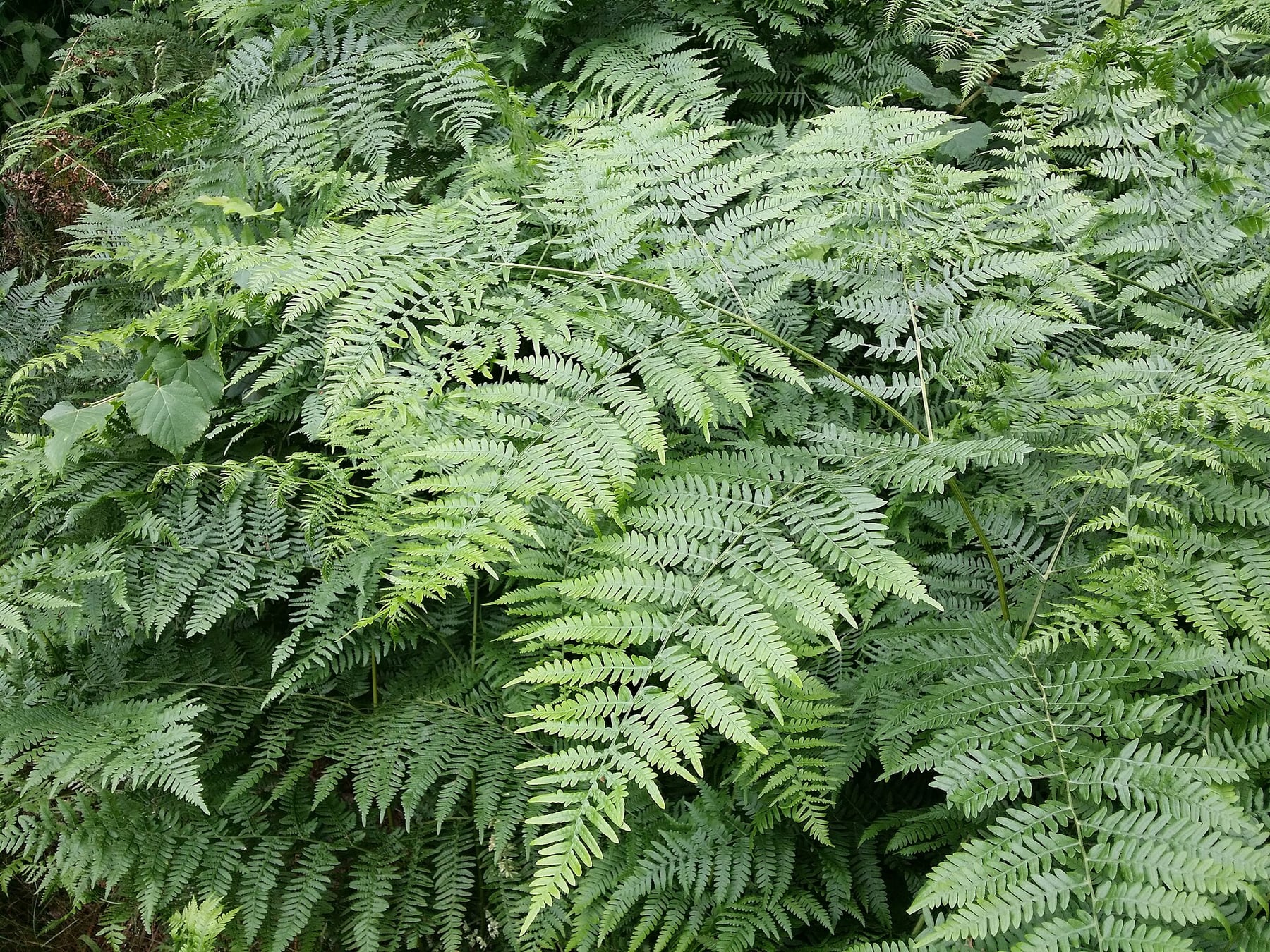
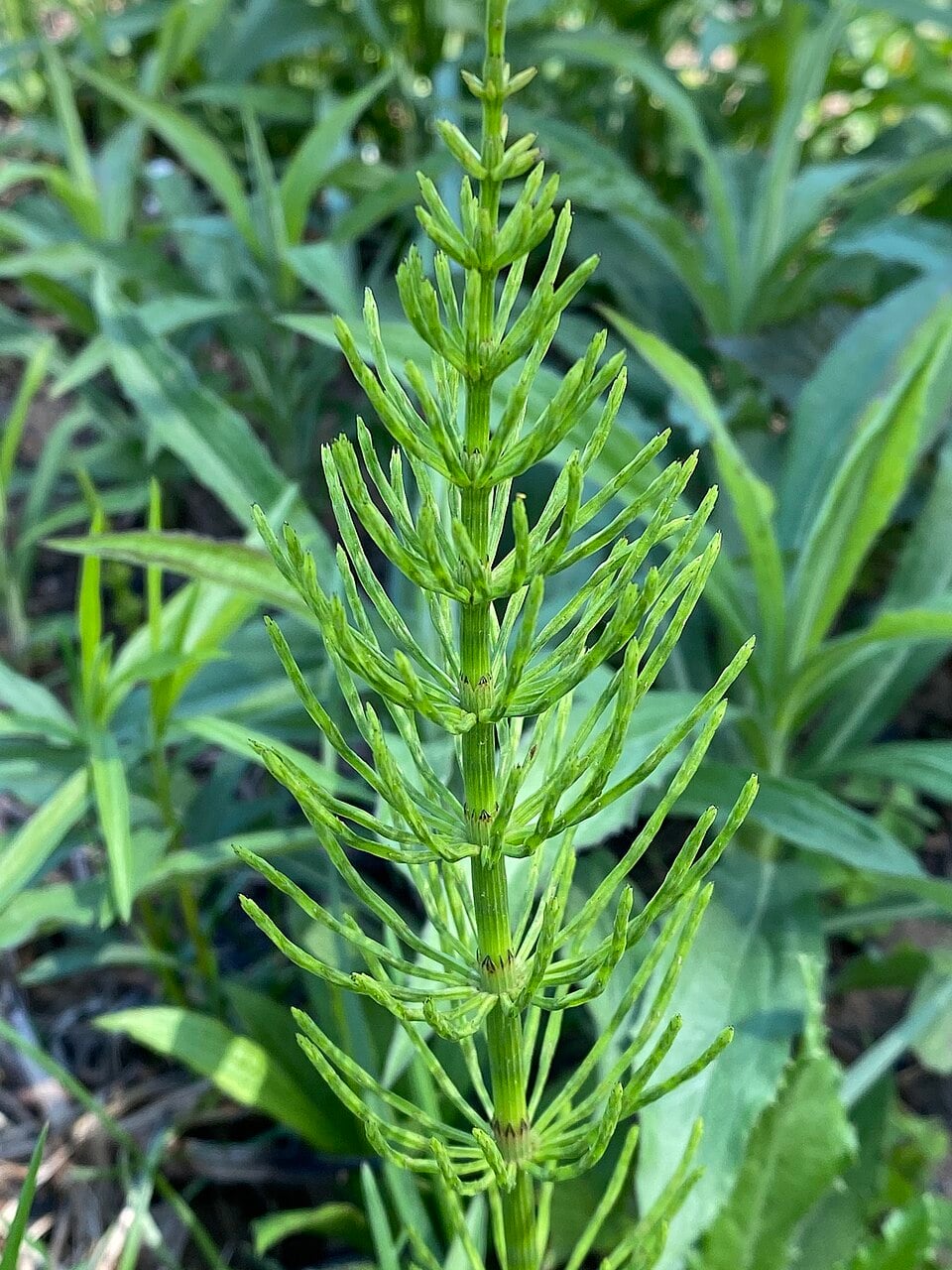
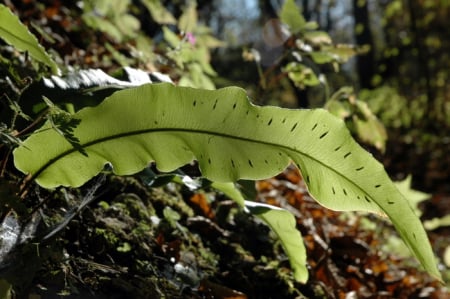
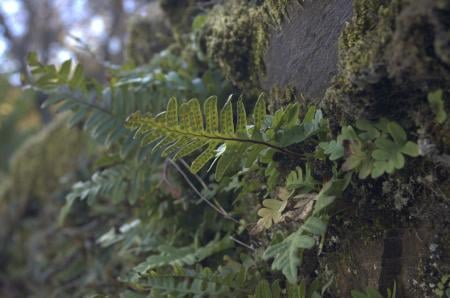

🍃 Leaves
Huge triangular fronds, deeply cut, borne on a long, stiff stalk
🌸 Flowers
No flowers: the spores form under the rolled-over edge of the leaflets
🍎 Fruits
No fruits — reproduces by spores released in summer
🌿 Stem and habit
Blackish, creeping underground rhizome, no woody stem
Distribution, pollinators, uses
🗺️ Distribution
Cosmopolitan, present on all continents except deserts; very common in France at woodland edges and on heathland
🐝 Value for pollinators
Fern reproducing by spores, with no flowers and no interest for pollinators
✂️ Horticultural uses
Used as ground cover in acid woodland, can become invasive
⚠️ Possible toxicity
Toxic and carcinogenic if eaten repeatedly (particularly for livestock), to be handled with care; young fiddleheads are sometimes eaten but this is not recommended
ℹ️ Educational profile — do not use it to judge whether a plant is edible or safe.
🌱 This database is constantly evolving — species and information are added and corrected regularly. Spotted a mistake? Report it below.
© Floraneo — profile content is protected; reproduction without permission is prohibited. Photos remain under their own licence (see the credit shown on each photo).