Leaf
Graziano Piero, Tela Botanica · CC BY-SA 2.0
Black-eyed Susan vine
Thunbergia alata Bojer ex Sims
Family: Acanthaceae
- Climber of 1.50 to 3 m
- Grown on a pergola, trellis or in a pot, mild climate or as an annual
- Full sun
- Not hardy, grown as an annual in temperate climates, perennial only in very mild climates
In flower from June to October
5 months❓ How do you recognise this plant?
The black-eyed Susan vine owes its name to the striking contrast between its coloured petals and the almost black centre of each flower — a pattern so characteristic that it has inspired its nickname in many languages around the world.
Learn to recognise it
Rare and exotic climbers. This plant is in the lesson “Rare and exotic climbers”, with 7 others.
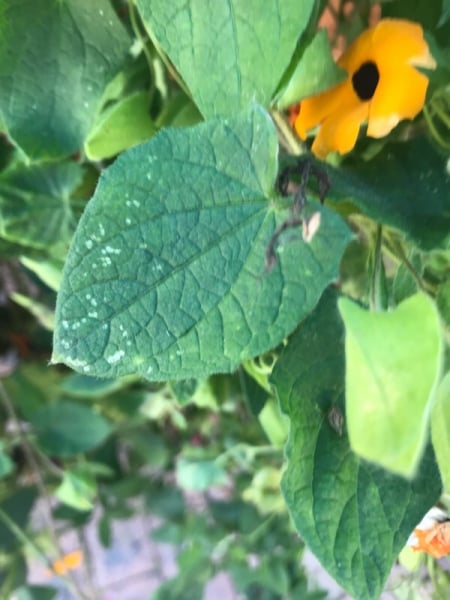
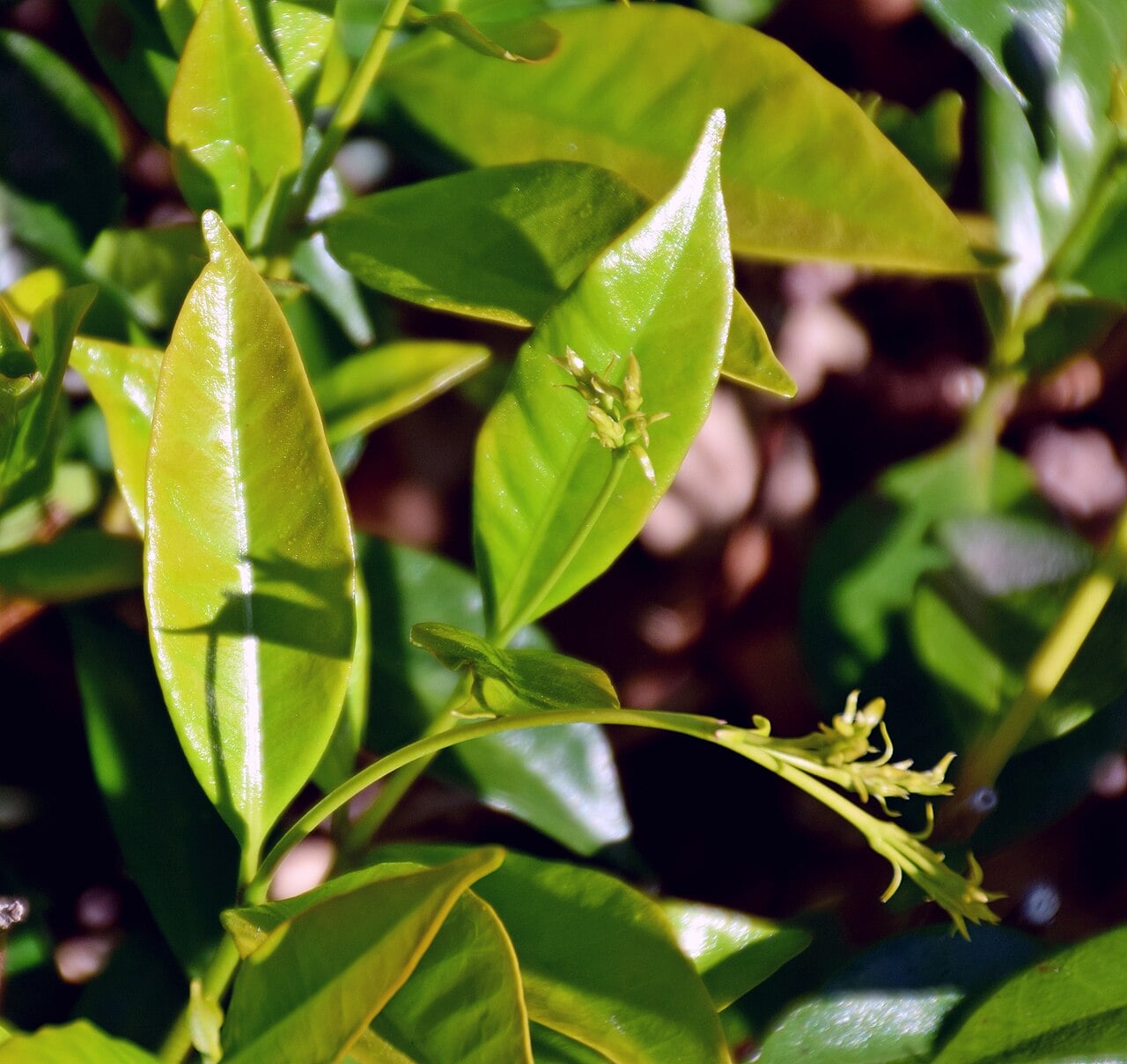
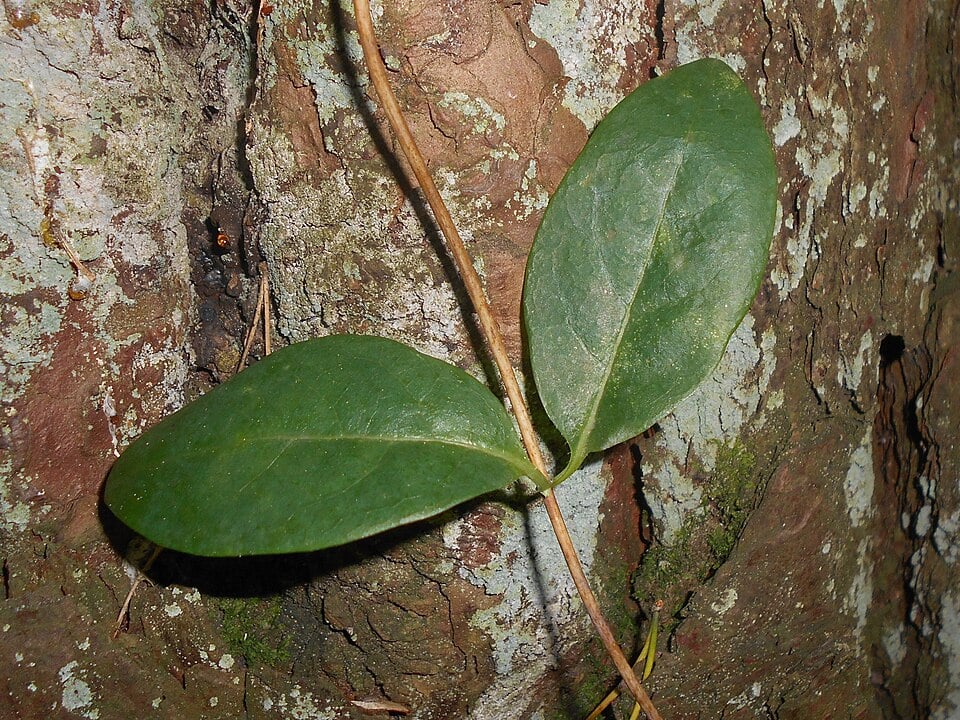
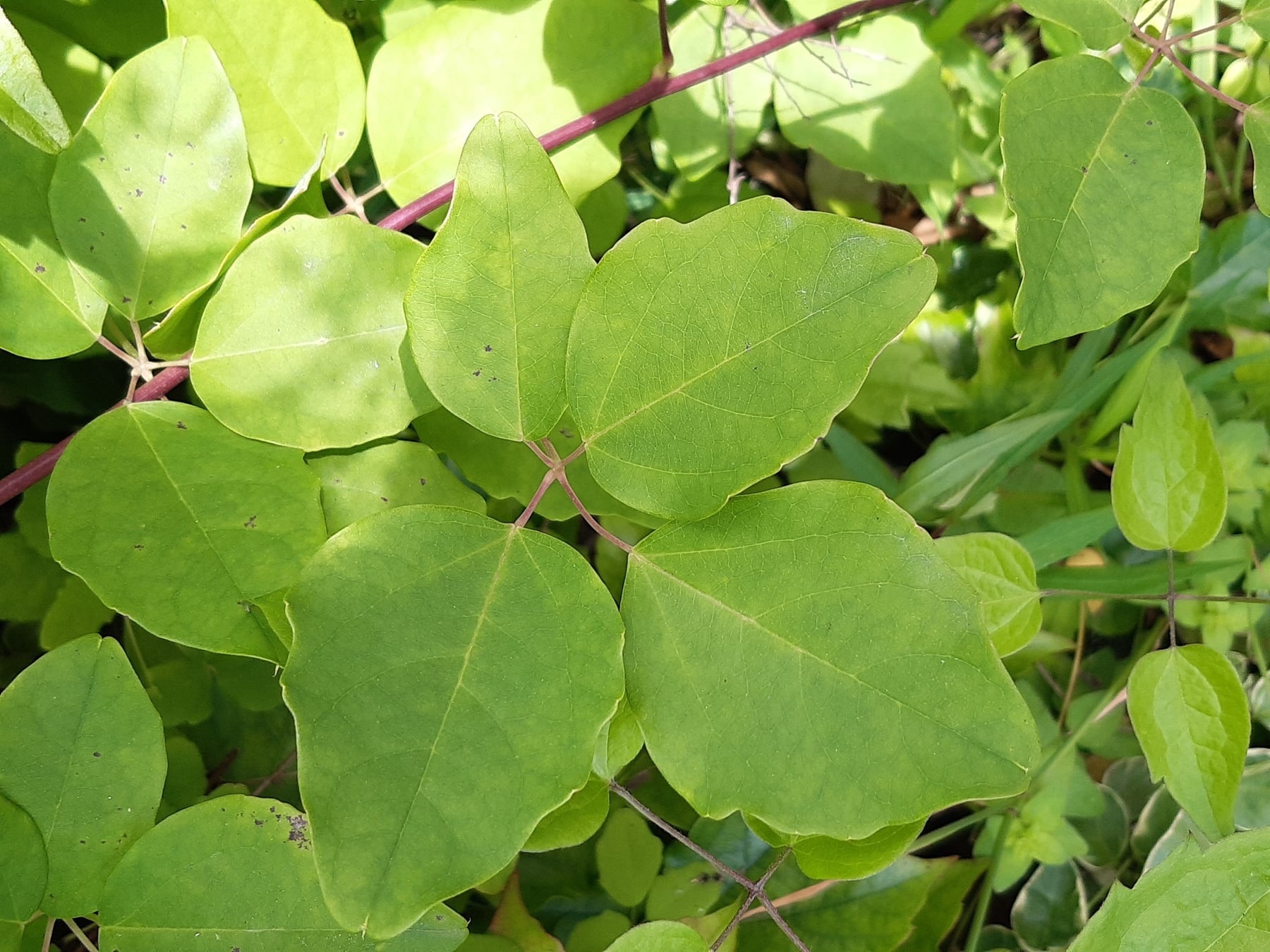
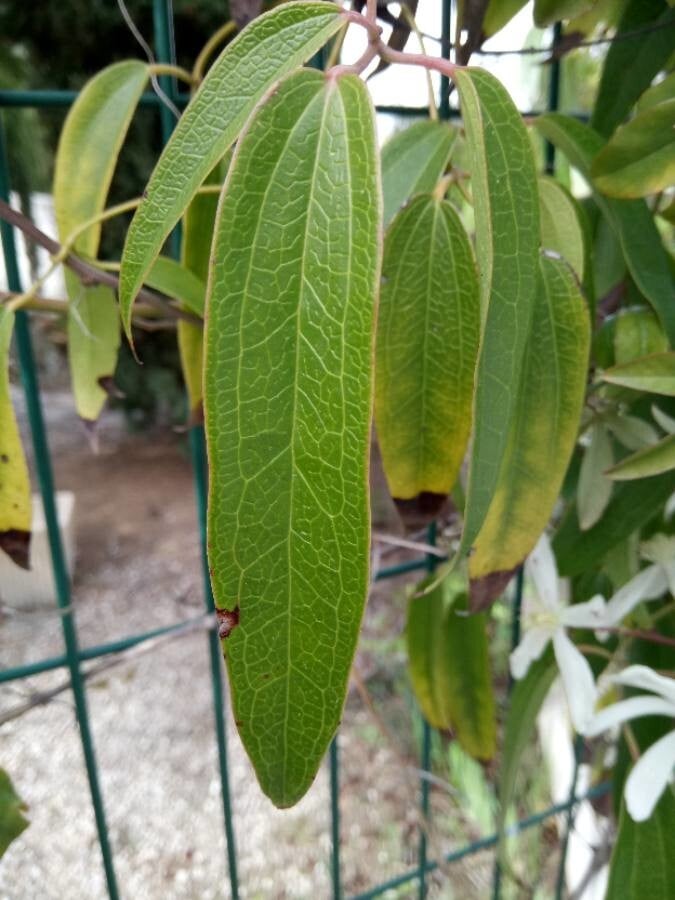
🍃 Leaves
Heart-shaped, toothed, slightly rough
🌸 Flowers
Orange, yellow or white, with a characteristic black throat, flared trumpet-shaped
🍎 Fruits
Small dry capsule
🌿 Stem and habit
Twining, climbing herbaceous stem
Distribution, pollinators, uses
🗺️ Distribution
Native to East Africa; grown in France as an annual or, in mild climates, perennial climber
🐝 Value for pollinators
Nectar-yielding flowers visited by bees and butterflies all summer
✂️ Horticultural uses
Annual climber, very free-flowering and easy to grow, planted in pots, window boxes or on a small trellis for its continuous colourful flowering
⚠️ Possible toxicity
No notable known toxicity
ℹ️ Educational profile — do not use it to judge whether a plant is edible or safe.
🌱 This database is constantly evolving — species and information are added and corrected regularly. Spotted a mistake? Report it below.
© Floraneo — profile content is protected; reproduction without permission is prohibited. Photos remain under their own licence (see the credit shown on each photo).