Leaf
Bernard Fabier, Tela Botanica · CC BY-SA 2.0
- 30 cm as a rosette, up to 1.5 m in flower in the 2nd year
- Grown in vegetable gardens and as a field crop; wild form on the coast
- Full sun
- Hardy, withstands light frost
In flower from June to September
4 months❓ How do you recognise this plant?
Red beetroot, chard (Swiss chard) and sugar beet are all the same species, selected to emphasise either the root, the leaves or the sugar content.
Learn to recognise it
Everyday vegetables. This plant is in the lesson “Everyday vegetables”, with 11 others.

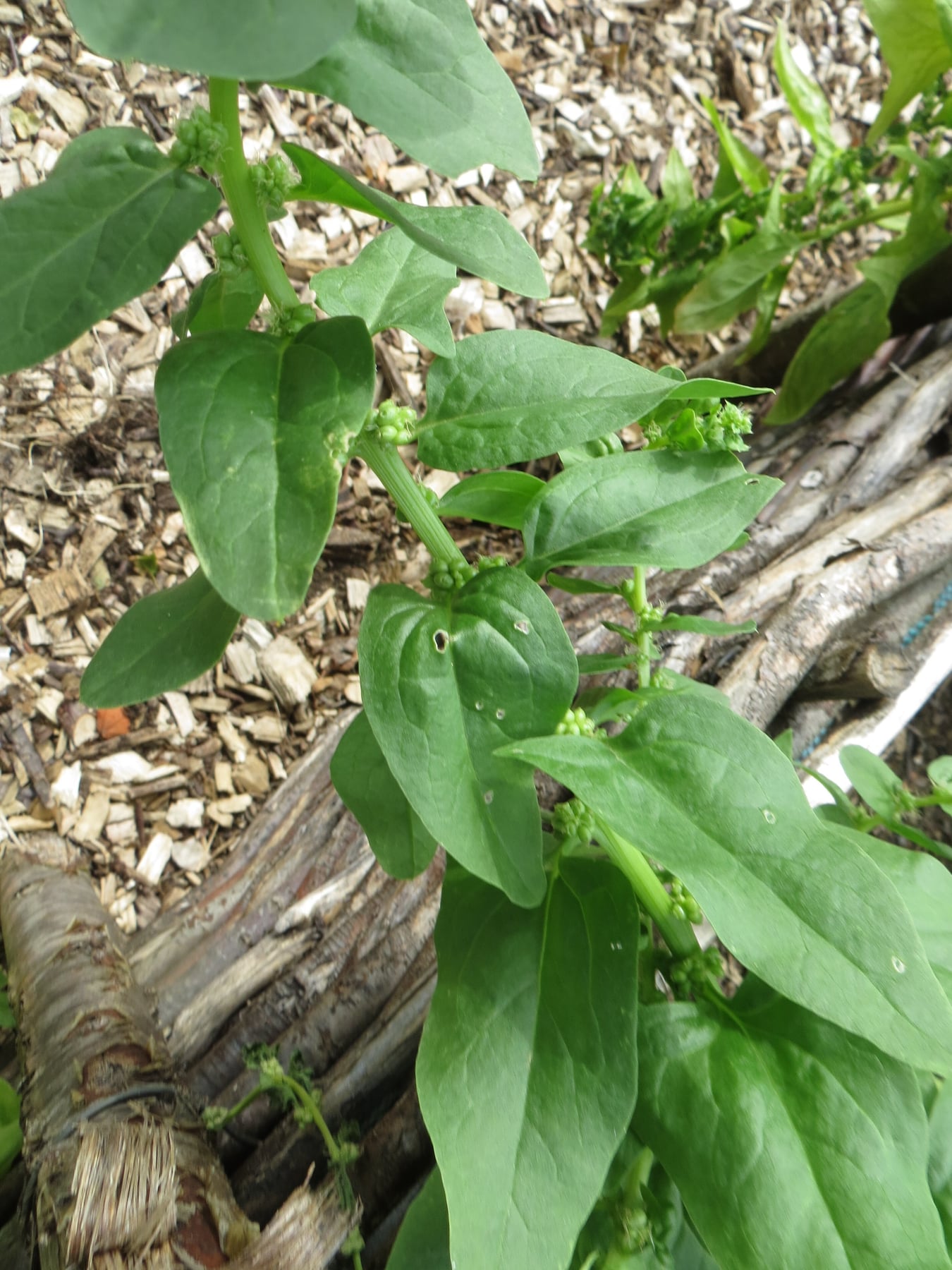
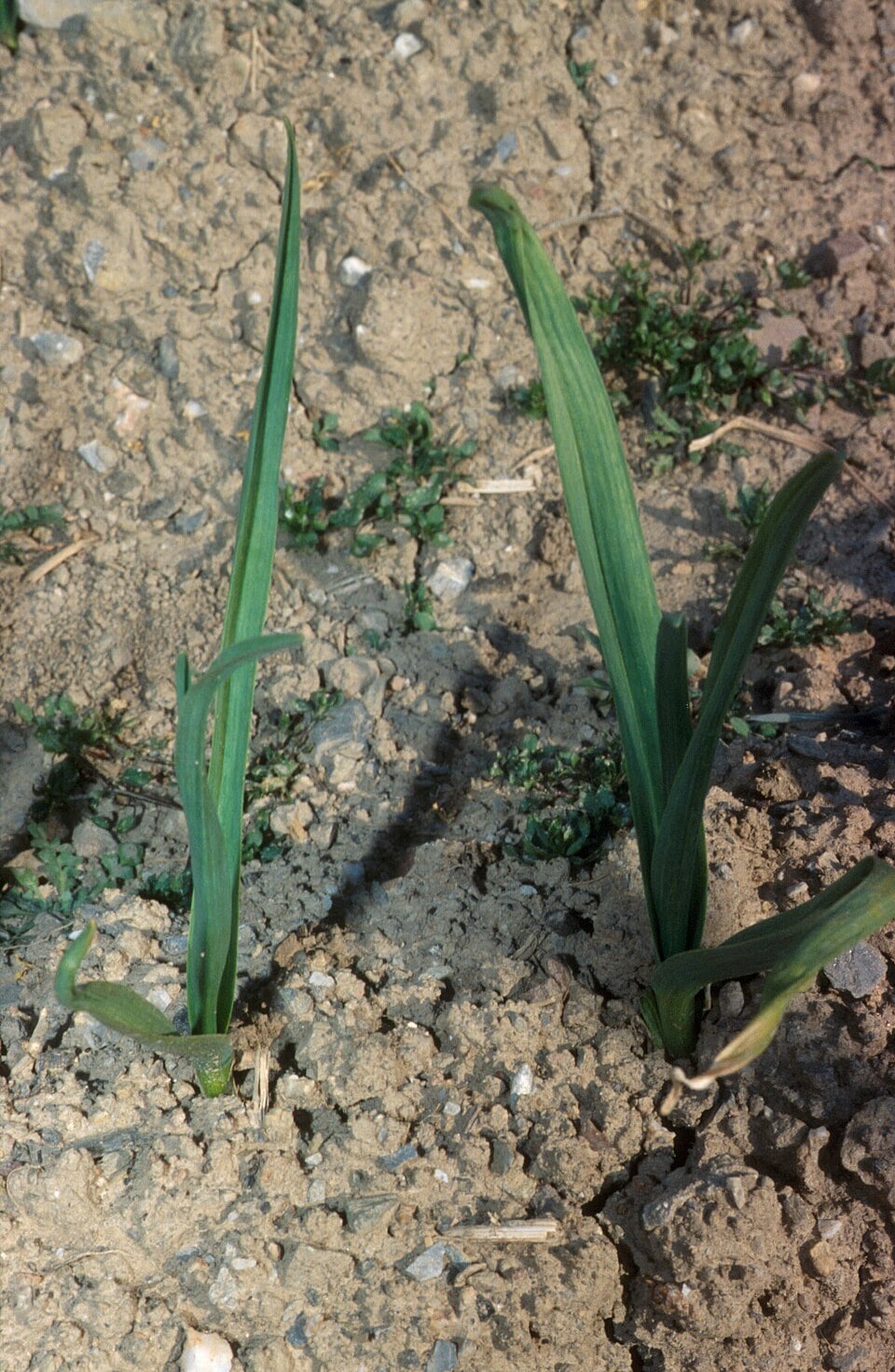
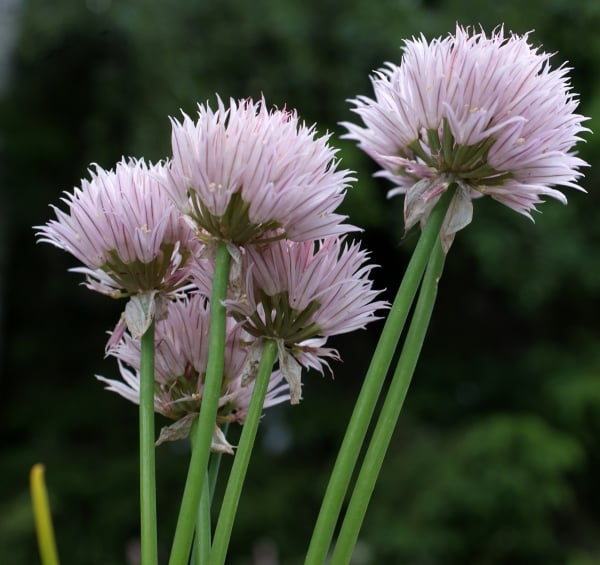
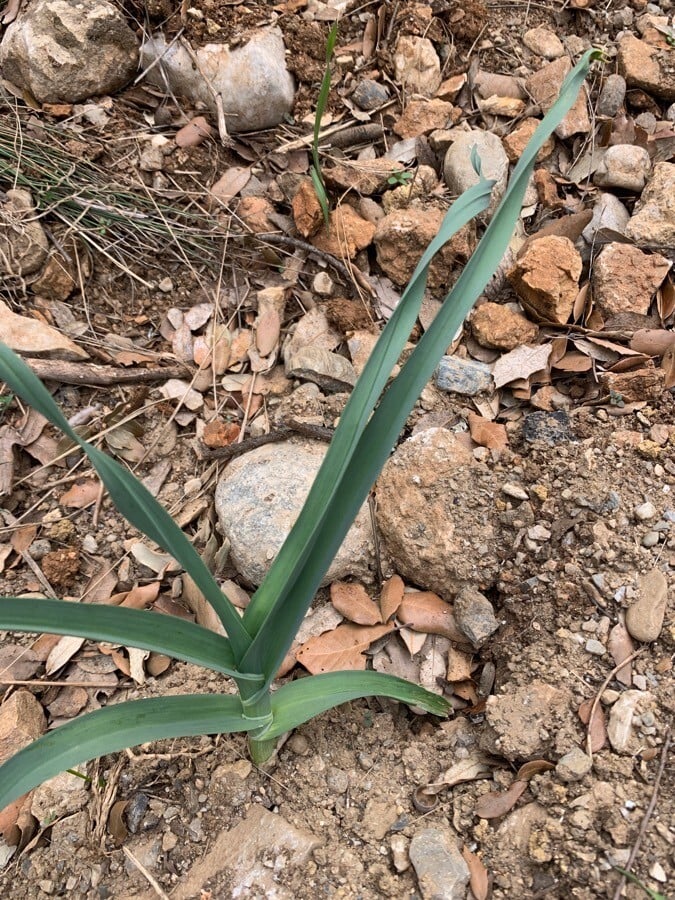
🍃 Leaves
Broad, glossy, often tinged with red at the base, in a rosette
🌸 Flowers
Tiny, greenish, grouped in spikes along long flowering stems
🍎 Fruits
Hard glomerule containing several seeds
🌿 Stem and habit
Fleshy, swollen taproot (the part eaten), upright flowering stem in the 2nd year
Distribution, pollinators, uses
🗺️ Distribution
Wild form on the Channel, Atlantic and Mediterranean coasts; widely grown throughout France
🐝 Value for pollinators
Inconspicuous flowers, mainly wind-pollinated
✂️ Horticultural uses
Root vegetable for the kitchen garden (red beetroot), fodder or industrial crop (sugar beet) depending on the variety
⚠️ Possible toxicity
No known toxicity — root and leaves edible
🌿 Other Amaranthaceae to discover


ℹ️ Educational profile — do not use it to judge whether a plant is edible or safe.
🌱 This database is constantly evolving — species and information are added and corrected regularly. Spotted a mistake? Report it below.
© Floraneo — profile content is protected; reproduction without permission is prohibited. Photos remain under their own licence (see the credit shown on each photo).