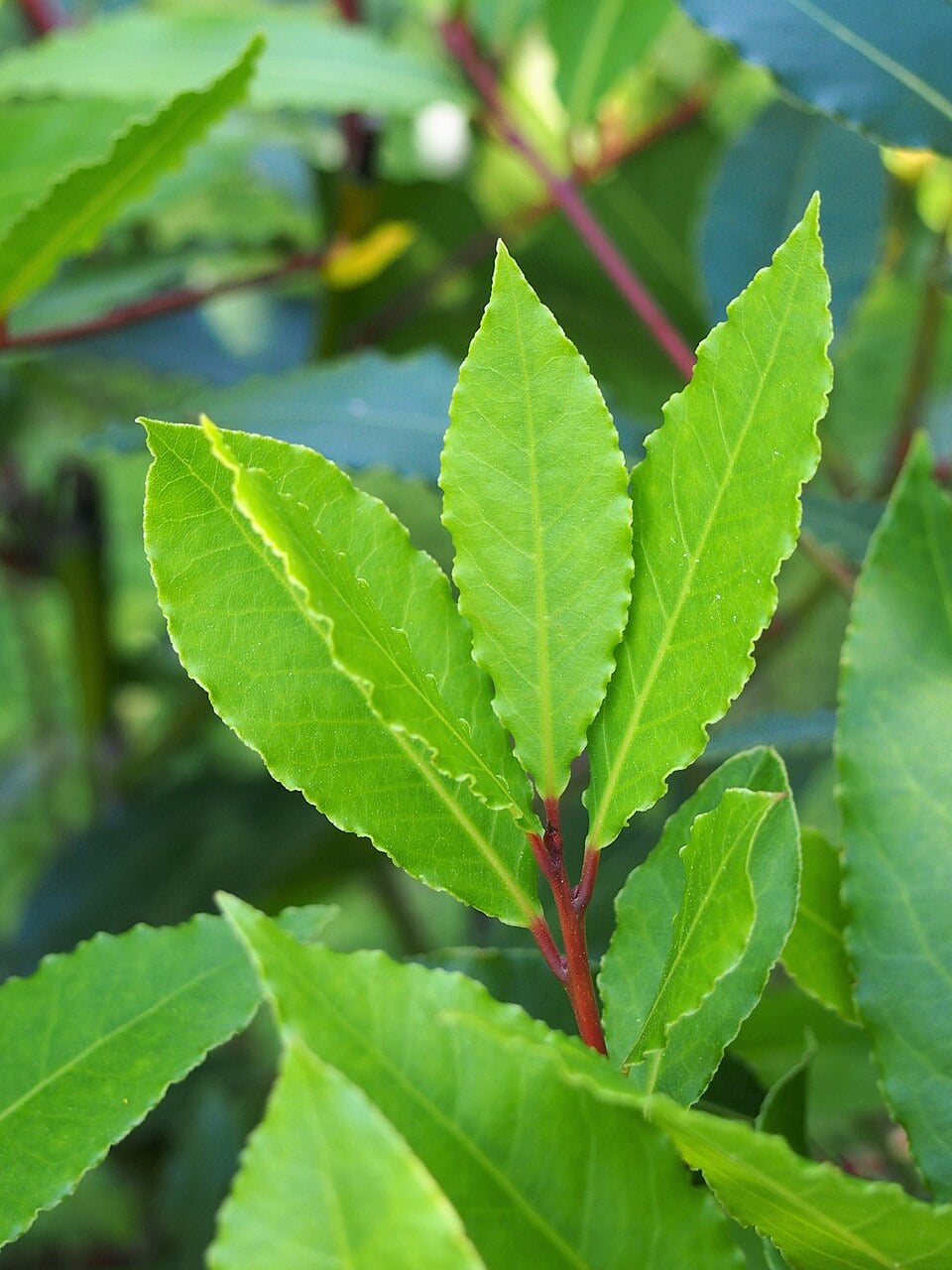
Leaf
David J. Stang, Wikimedia · CC BY-SA 4.0
Avocado
Persea americana Mill.
Family: Lauraceae
5 to 15 m tall in a favourable climate, smaller in a pot
Planted in mild Mediterranean climates, also grown in pots in cooler climates
Flowering: February – April
Full sun
Not very hardy, dislikes frost below -5°C, grown in mild climates or in pots
❓ How do you recognise this plant?
The avocado flower opens twice: first in its female phase, then closes, then reopens in its male phase at another time of day — a mechanism that favours cross-fertilisation between different trees.
🍃 Leaves
Evergreen, large, ovate, leathery, bright green
🌸 Flowers
Small, greenish, barely visible, grouped in panicles
🍎 Fruits
Fleshy fruit with a large stone, generally pear-shaped or ovoid, with green to blackish skin depending on the variety.
🪵 Bark
Greyish, rough
🗺️ Distribution
Native to Central America; still only marginally grown in France, notably on the Mediterranean coast
🐝 Value for pollinators
Nectar-rich flowering, a complex flowering system in which each flower opens in a male then female phase at different times to favour cross-pollination
✂️ Horticultural uses
Exotic fruit tree planted in mild climates, also grown as an indoor pot plant from a sprouted stone
⚠️ Possible toxicity
The fruit is edible for humans. The leaves, stone and some other parts contain compounds (persin) that are problematic for several domestic animals and birds.
🌿 Other Lauraceae to discover
ℹ️ Educational profile — do not use it to judge whether a plant is edible or safe.
🌱 This database is constantly evolving — species and information are added and corrected regularly. Spotted a mistake? Report it below.
© Floraneo — profile content is protected; reproduction without permission is prohibited. Photos remain under their own licence (see the credit shown on each photo).