How to recognise a plant: the 6 clues to look at
A tree, a shrub or a flower is rarely recognised from a single detail. Here are the clues to look at, in order, with photos of real plants.
First, the overall shape
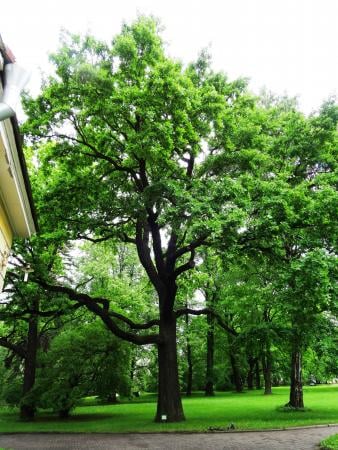
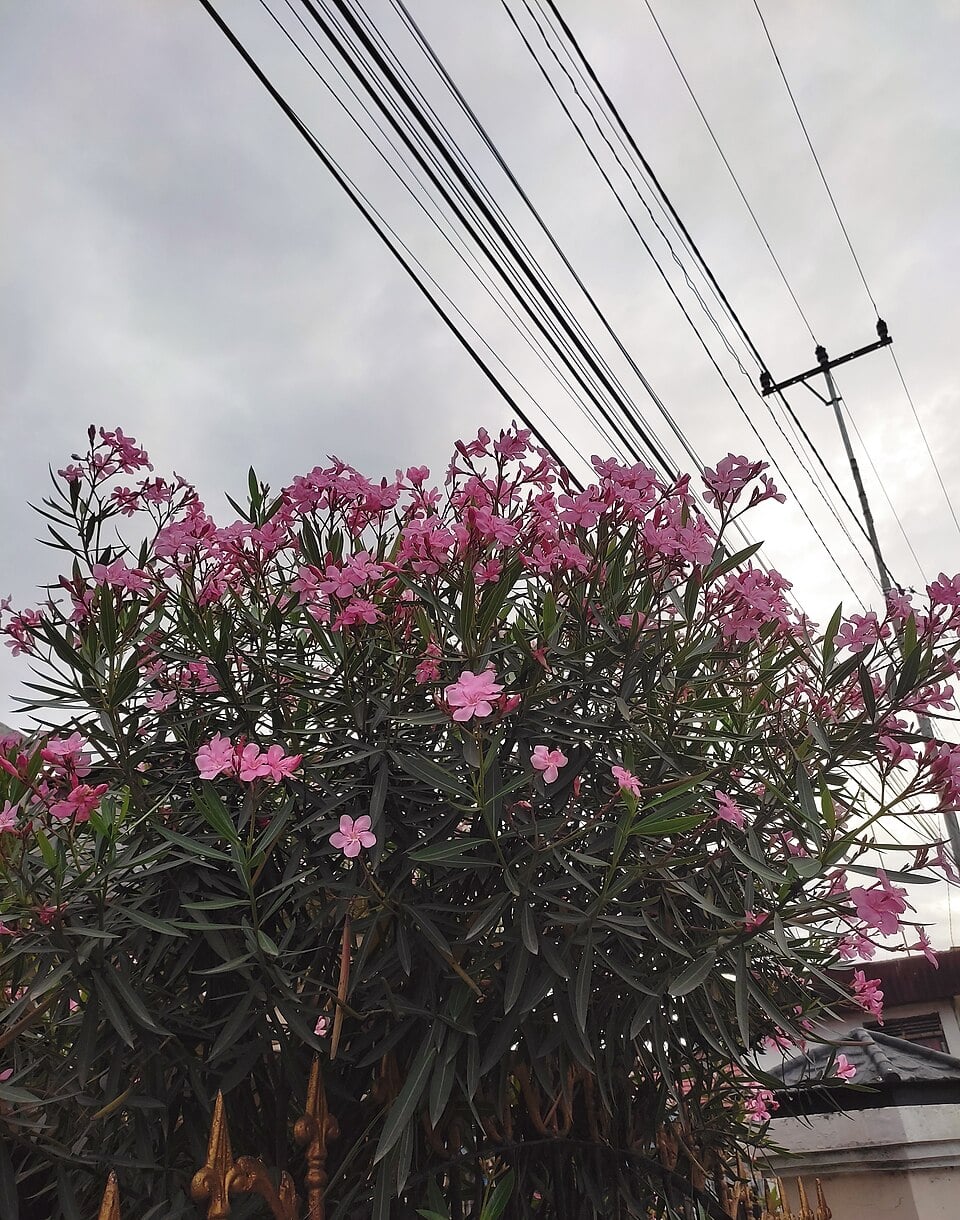
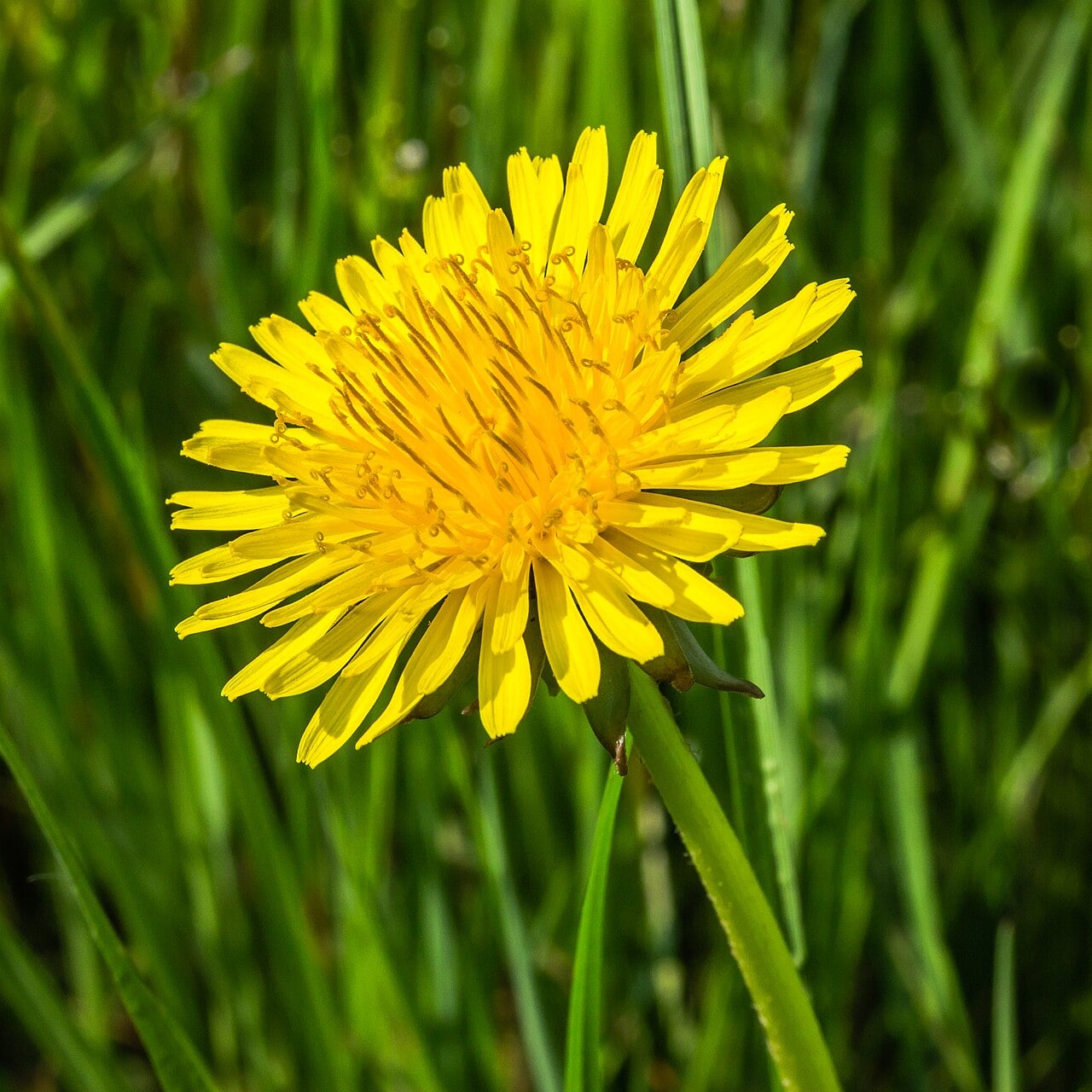
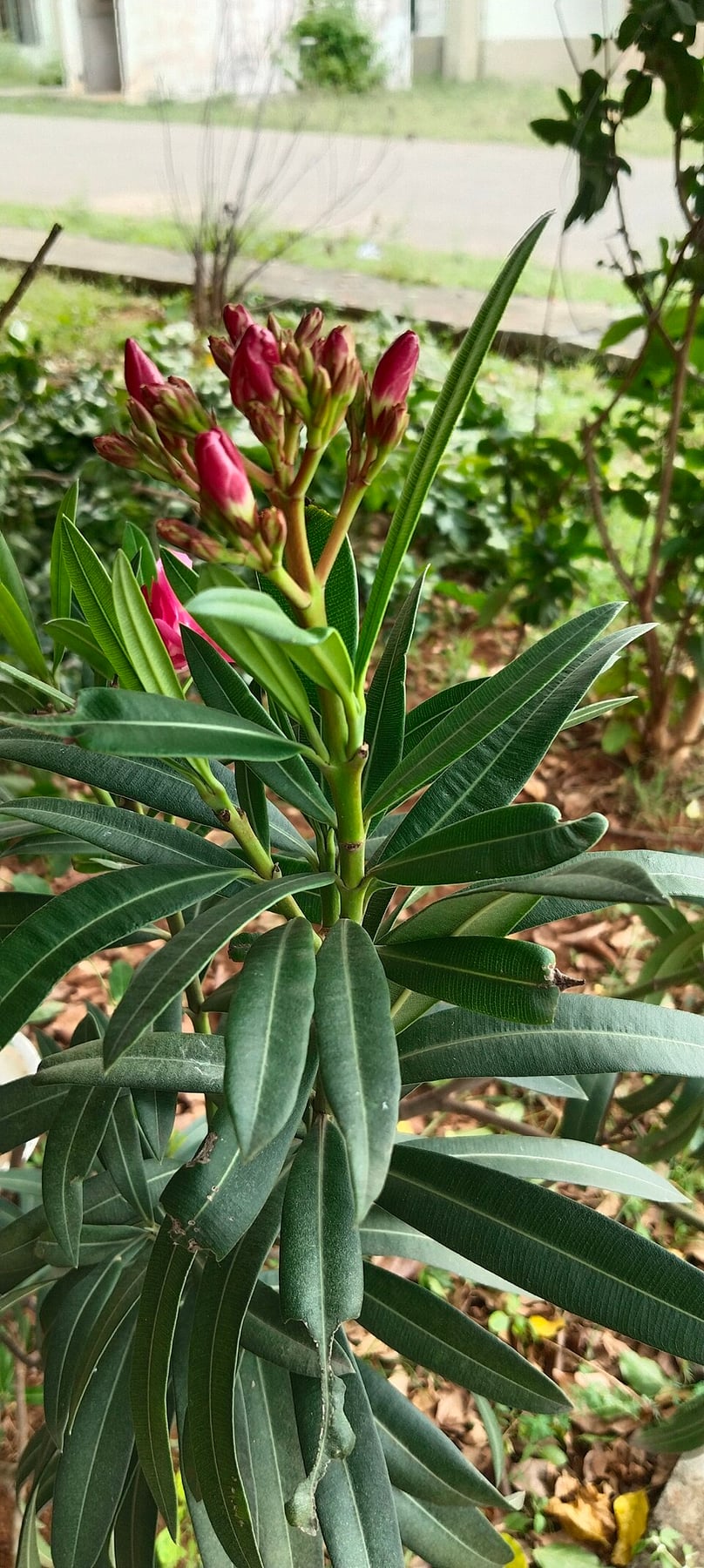
Before you even look at a leaf, step back: is it a tree (a single trunk, woody), a shrub (several woody stems from the ground, lower), or a herbaceous perennial (no wood, it grows back from the rootstock every year)? That already rules out half the possibilities.
Simple or compound?
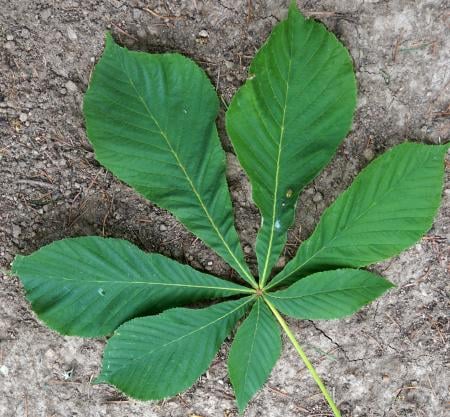
A simple leaf is a single whole piece, even if it is deeply cut. A compound leaf is made of several small separate leaflets lined up along one axis. The test: look for a small bud at the base — there is only one for the whole compound leaf, never one per leaflet.
Leaf shape and margin
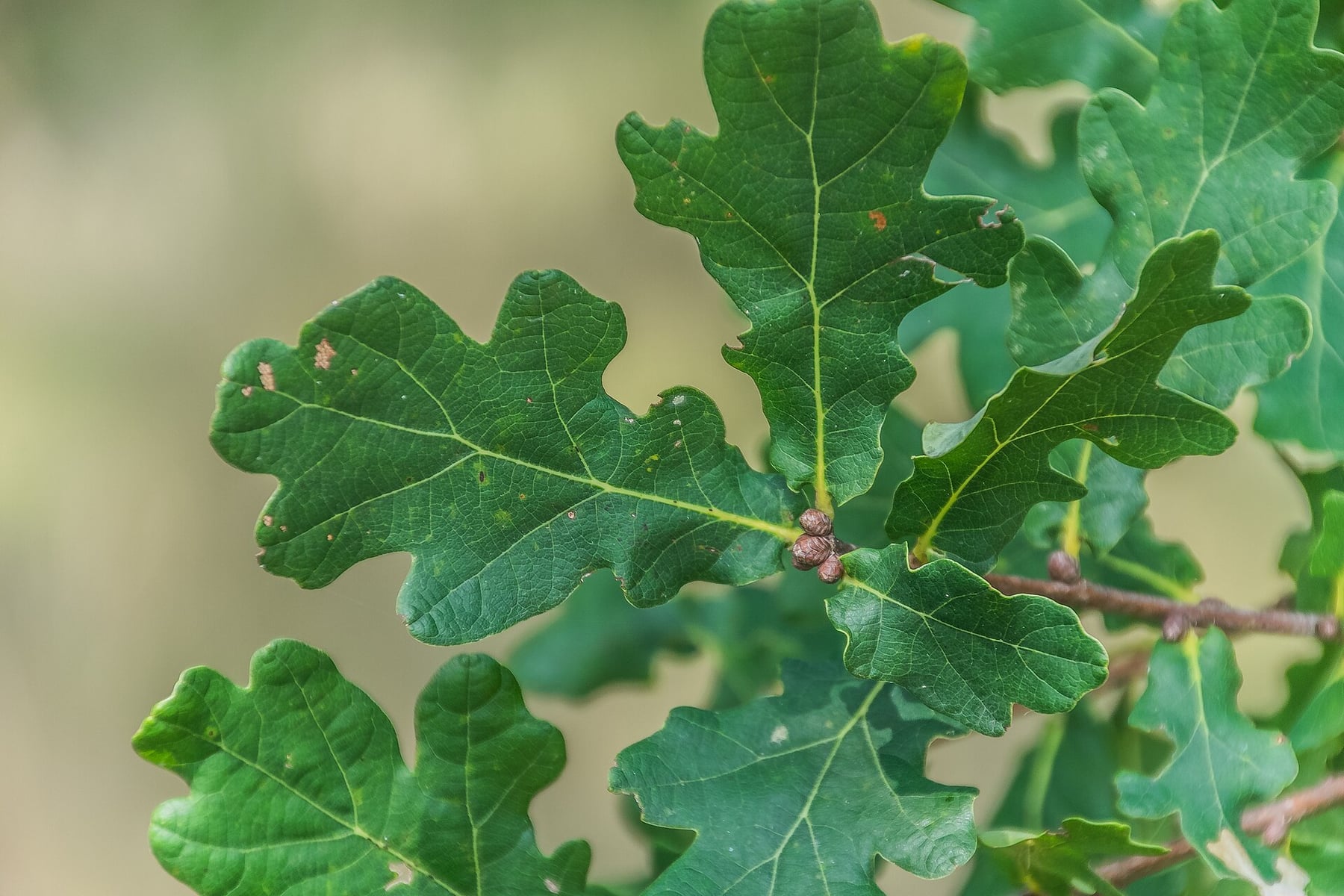
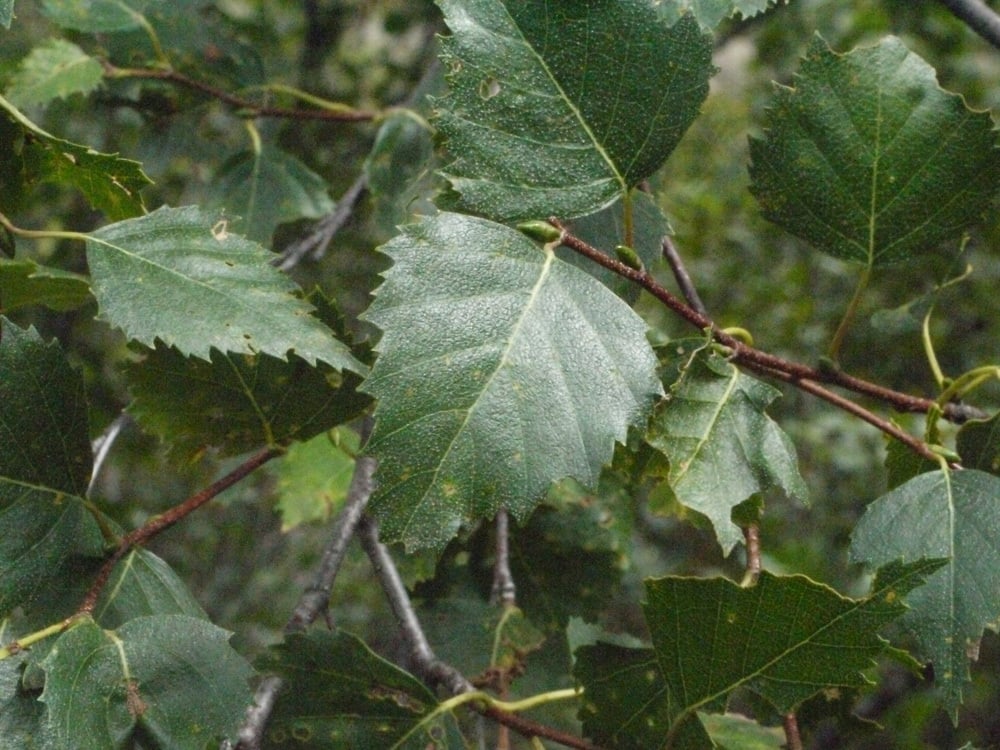
The outline of the leaf is a precise clue: lobed (deep indentations, like the oak), toothed (small regular points along the edge), or entire (smooth edge, no cuts)? Also look at the overall shape — round, elongated, heart-shaped, needle-like.
Fruit, a formidable clue
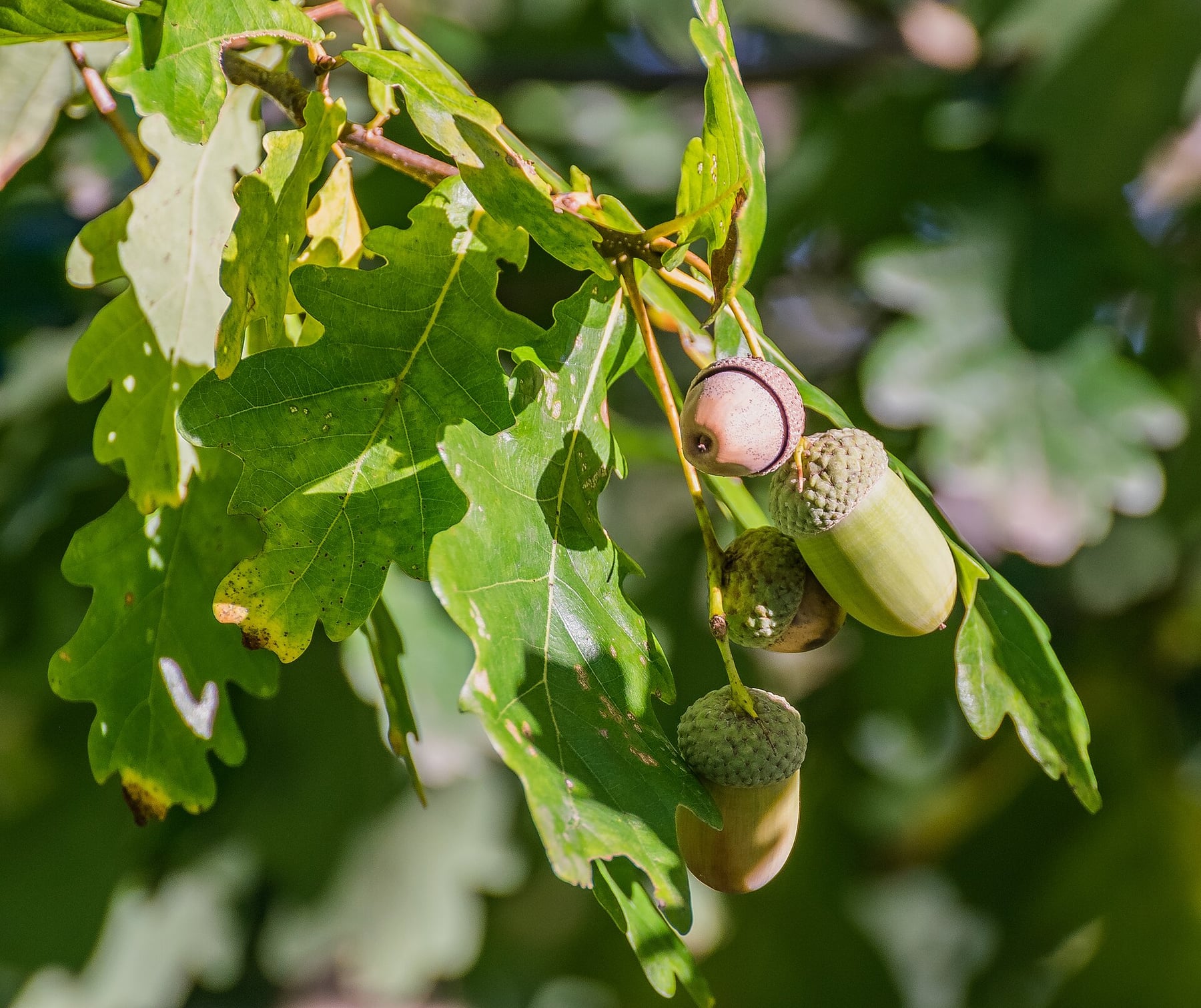
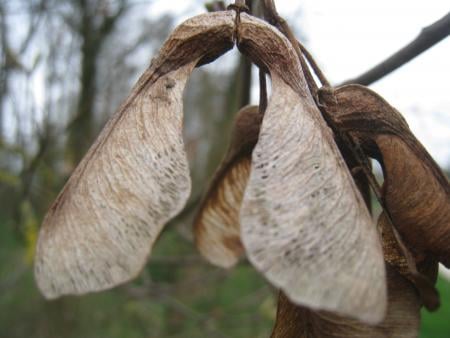
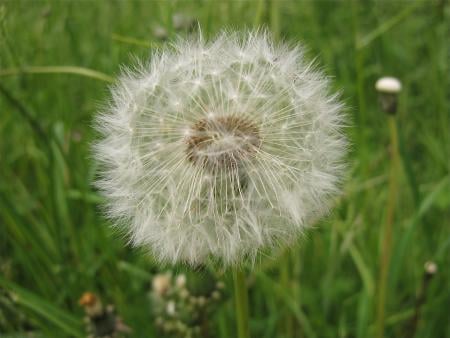
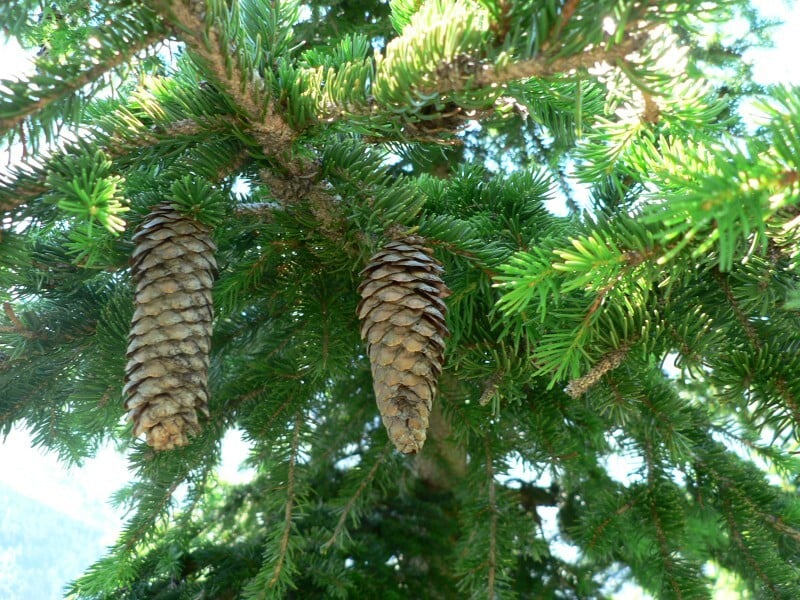
Acorn, winged samara, berry, capsule, plumed achene, cone... the shape of the fruit is often the most reliable clue of all, and it stays identifiable long after the leaves have fallen, in the middle of autumn or winter.
Bark, a year-round clue
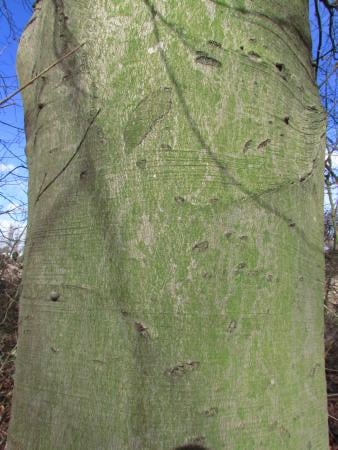
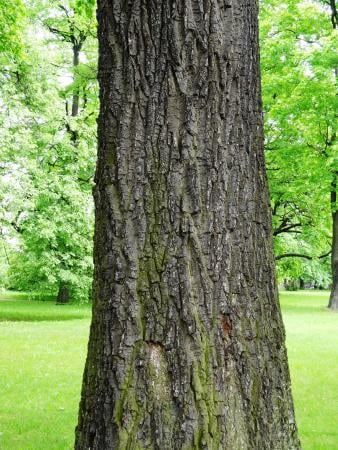
Smooth, fissured, peeling off in plates or strips... bark stays a reliable clue all year round, even in the depths of winter when there isn't a single leaf left to help.
The trap: a single clue is never enough
An oak and a beech both have simple, oval leaves with a cut edge — from a distance, you can mix them up. It's by combining several clues — shape, leaf, bark, fruit — that you tell species apart with confidence. Over to you in the next lessons!
These marks are general: almost every group of plants has exceptions. Always combine several clues.
Your turn
Train your eye on photos, or follow the lessons starting from the best-known plants.
Educational page: these marks help recognise a plant, never judge whether it is edible or safe.